 فارسی
فارسی  العربية
  Русский
  Azərbaycan

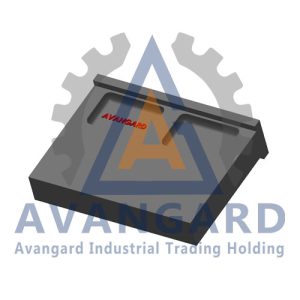
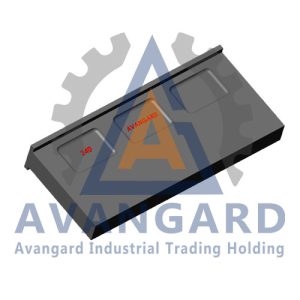
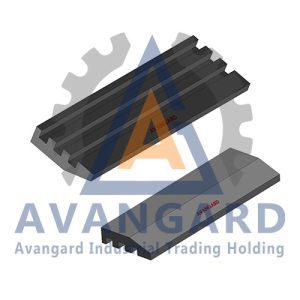
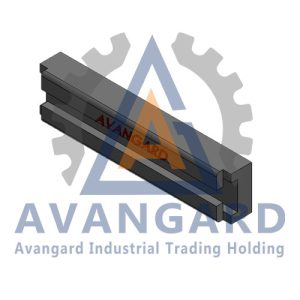
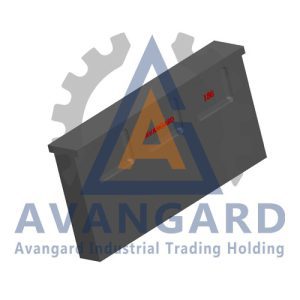
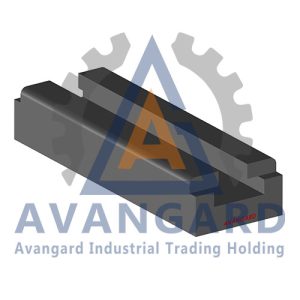
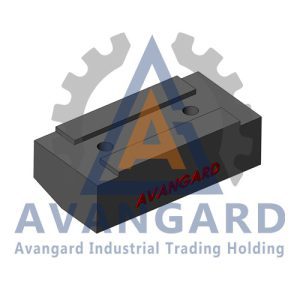
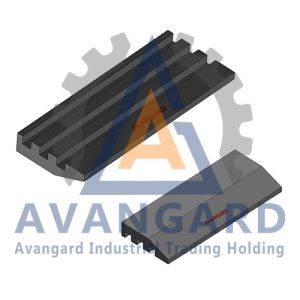
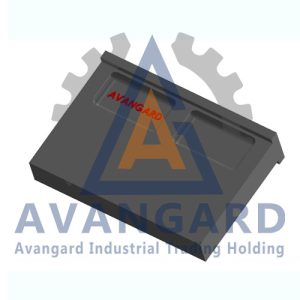

Selecting the right crusher spare parts according to the type of mining operation is one of the most critical factors in maximizing the efficiency of crushing plants, reducing maintenance costs, and preventing unexpected production downtime. While many mine operators focus primarily on the purchase price of spare parts, factors such as the type of rock, mineral hardness, production capacity, operating conditions, and the material composition of the wear parts have a far greater impact on equipment performance and long-term operating costs.
Every mining operation presents unique working conditions. For example, the spare parts required for a copper mine differ significantly from those used in iron ore, silica, or sand and gravel operations. As a result, understanding the characteristics of each mining environment and selecting the appropriate wear and replacement components are essential for extending equipment service life and maintaining consistent production efficiency.
In addition, selecting the proper spare parts for equipment such as jaw crushers, cone crushers (Hydrocone), impact crushers, vibrating screens, and feeders can significantly reduce maintenance expenses while improving production capacity and overall plant reliability.

Why Is Choosing the Right Crusher Spare Parts Important?
Crusher spare parts are continuously exposed to abrasive materials, heavy impact loads, and high compressive forces. If the material properties of a component are not compatible with the characteristics of the processed rock or ore, premature wear, unexpected failures, and costly production interruptions become inevitable.
The key benefits of selecting the appropriate crusher spare parts include:
- Extended equipment service life
- Lower maintenance and repair costs
- Reduced production downtime
- Improved crushing efficiency and plant performance
- Lower energy consumption
- Higher quality of the final product
- Prevention of unexpected component failures and catastrophic breakdowns
Key Factors to Consider When Selecting Crusher Spare Parts
Before purchasing any crusher spare part, several critical factors should be carefully evaluated to ensure optimal equipment performance, longer service life, and reduced operating costs.
1. Type of Mineral or Rock
Each mining operation processes materials with unique physical and mechanical properties. Consequently, crusher wear parts should be selected according to the characteristics of the material being crushed.
Common mining applications include:
- Iron ore
- Copper ore
- Lead and zinc ores
- Silica
- Basalt
- Granite
- Limestone
- Dolomite
- Sand and gravel
Each of these materials exhibits different levels of hardness, abrasiveness, and impact resistance requirements, all of which directly influence the selection of the appropriate wear-resistant alloy.
2. Rock Hardness
Rock hardness is one of the most important criteria when selecting the appropriate material for crusher spare parts.
As the hardness of the processed material increases, the use of highly wear-resistant alloys becomes increasingly important. Depending on the application, materials such as Hadfield manganese steel (high-manganese steel) and alloy cast irons provide superior durability and longer service life under demanding operating conditions.
3. Abrasiveness of the Material
Certain mining operations involve highly abrasive materials that can significantly accelerate the wear of crusher components.
For these applications, wear parts manufactured from the following materials are generally recommended:
- Hadfield manganese steel
- High-chrome white cast iron
- Ni-Hard cast iron
These alloys offer excellent abrasion resistance, helping to extend maintenance intervals, minimize wear, and improve overall crushing plant productivity.
4. Impact Loading
In applications where crushing equipment is subjected to heavy impact loads, spare parts must provide not only excellent wear resistance but also high toughness to withstand repeated shock loading without cracking or failure.
Under these demanding conditions, high-manganese (Hadfield) steel remains one of the most effective material choices due to its exceptional impact strength and work-hardening properties, making it ideal for heavy-duty crushing applications.

Crusher Spare Parts Selection Guide by Mining Application
The table below provides a general guideline for selecting crusher spare parts based on the type of mining operation, material hardness, abrasiveness, recommended alloy, and commonly used wear components. Choosing the appropriate material for each application can significantly improve equipment reliability, reduce maintenance costs, and extend the service life of critical crusher components.
| Mining Application | Material Hardness | Abrasiveness | Recommended Alloy | Typical Crusher Wear Parts |
| Iron Ore | High | High | Hadfield Manganese Steel | Jaw Plates, Mantle, Concave |
| Copper Ore | Medium | High | High-Chrome Cast Iron | Crusher Hammers, Impact Aprons (Breaker Plates) |
| Silica | Very High | Very High | Ni-Hard Cast Iron | Liners, Side Liners |
| Sand & Gravel | Low | Moderate | Alloy Steel | Crusher Hammers, Jaw Plates, Rollers |
| Granite | Very High | High | Manganese Steel | Jaw Plates, Mantle |
| Basalt | Very High | Very High | Hadfield Manganese Steel | Primary Crusher Wear Parts |
Selecting the Right Spare Parts for Jaw Crushers
In a jaw crusher, the jaw plates are the primary wear components and are subjected to continuous compression, impact, and abrasion during the crushing process. Selecting the appropriate jaw plate material plays a critical role in improving crusher performance and reducing operating costs.
The right jaw plates provide several important advantages:
- Reduced wear part consumption
- Improved crushing efficiency and product consistency
- Less unplanned equipment downtime
- Lower maintenance and replacement costs
For hard and highly abrasive mining applications, Hadfield manganese steel (high-manganese steel) is generally considered the preferred material due to its exceptional toughness, impact resistance, and work-hardening characteristics.
Selecting the Right Spare Parts for Cone Crushers (Hydrocone)
In Hydrocone (cone) crushers, several critical components are exposed to severe wear and mechanical stress. The most important wear and replacement parts include:
- Mantle
- Concave
- Top Shell
- Bottom Shell
- Bushings
- Head Center
For demanding applications such as iron ore and granite mining, wear parts manufactured from highly abrasion-resistant alloys are typically recommended to maximize service life, improve crusher reliability, and reduce maintenance frequency.
Selecting the Right Spare Parts for Impact Crushers
In impact crushers (Kubit crushers), the highest wear rates are typically experienced by the following components:
- Blow Bars (Crusher Hammers)
- Impact Aprons (Breaker Plates)
- Side Liners
- Clamp Bars (Breaker Bar Holders)
- Rotor Protective Liners
Selecting the appropriate alloy and manufacturing quality for these wear parts significantly enhances crushing efficiency, extends component life, increases production capacity, and minimizes downtime caused by premature wear or unexpected failures.
The Role of Hadfield Steel in Extending Crusher Wear Part Service Life
One of the most widely used and trusted alloys in the crushing and mining industry is Hadfield manganese steel (high-manganese steel). Its unique combination of toughness and work-hardening properties makes it an ideal material for crusher components operating under severe impact conditions.
The key advantages of Hadfield steel include:
- Exceptional impact resistance
- Work-hardening capability that increases surface hardness during operation
- Extended service life
- Excellent resistance to cracking and fracture
- High load-bearing capacity under heavy-duty operating conditions
Thanks to these outstanding mechanical properties, Hadfield steel is extensively used in the manufacturing of critical crusher wear parts, including jaw plates, mantles, concaves, and other components subjected to heavy impact and abrasion.
High-Chrome Cast Iron in Crusher Wear Parts
High-chrome cast iron is recognized for its outstanding abrasion resistance, making it one of the preferred materials for components operating in highly abrasive environments.
This alloy is widely used in the production of wear parts such as:
- Blow Bars (Crusher Hammers)
- Impact Aprons (Breaker Plates)
- Side Liners
- Mill Liners
- Wear Plates
High-chrome cast iron delivers excellent performance in applications characterized by high abrasion and moderate impact loading, providing extended wear life and reducing maintenance frequency.
Applications of Ni-Hard Cast Iron
Ni-Hard cast iron is among the most wear-resistant alloys used in the mining and aggregate industries. Its exceptional hardness makes it particularly suitable for processing highly abrasive materials where impact loading is relatively limited.
Ni-Hard is commonly used in silica mining, hard rock processing, and other applications involving extremely abrasive minerals, where maximum wear resistance is the primary requirement.
The Importance of Casting Quality in Crusher Spare Parts
Selecting the appropriate alloy is only one aspect of manufacturing high-performance crusher wear parts. The overall quality of the casting process has a direct impact on component durability, operational reliability, and service life.
A high-quality casting should exhibit the following characteristics:
- Freedom from porosity and internal casting defects
- Uniform and homogeneous metallurgical structure
- Properly controlled heat treatment
- High dimensional accuracy
- Precision machining to ensure correct fit and optimal equipment performance
By combining premium alloy selection with advanced foundry practices, manufacturers can produce crusher spare parts that deliver superior durability, consistent performance, and lower total cost of ownership in demanding mining environments.
Characteristics of High-Quality Crusher Spare Parts
Before purchasing crusher spare parts, it is essential to evaluate several quality indicators to ensure long service life, reliable performance, and lower maintenance costs.
A high-quality crusher component should offer:
- Standardized chemical composition that meets the specified alloy grade
- Certified quality inspection and material test reports
- Properly controlled heat treatment
- Standard weight and material consistency
- High dimensional accuracy for precise fitment
- Excellent surface finish with no visible casting defects
- Superior wear resistance for extended service life
Verifying these factors before purchase helps minimize unexpected failures and maximizes the overall performance of crushing equipment.
Common Mistakes When Purchasing Crusher Spare Parts
Many buyers focus primarily on the initial purchase price. However, selecting low-cost components without considering quality often leads to significantly higher operating and maintenance expenses over the equipment’s lifetime.
The most common purchasing mistakes include:
- Buying low-cost, poor-quality spare parts
- Selecting an alloy that is unsuitable for the mining application
- Ignoring the operating conditions of the mine
- Purchasing from non-specialized or inexperienced manufacturers
- Using non-standard or incompatible replacement parts
- Failing to review technical specifications and material certifications
Choosing spare parts based on total lifecycle value rather than purchase price alone results in greater productivity and lower total cost of ownership.

How to Reduce Crusher Maintenance Costs
Reducing maintenance costs requires a proactive maintenance strategy combined with the use of high-quality replacement components.
The following best practices are recommended:
- Implement a preventive maintenance schedule for all crushing equipment.
- Replace wear parts before they reach complete failure.
- Perform lubrication according to the manufacturer’s maintenance schedule.
- Use only high-quality, standard-compliant spare parts.
- Avoid operating crushers beyond their designed production capacity.
- Ensure operators receive proper training on equipment operation and maintenance.
These preventive measures help reduce unexpected downtime, extend equipment service life, and improve the overall efficiency of the crushing plant.
The Importance of Choosing a Reliable Supplier
Even the highest-quality alloy cannot deliver optimum performance if the component is manufactured using poor foundry practices or inadequate quality control.
A professional and reliable supplier should be able to provide:
- Expert technical consultation for selecting the appropriate wear parts
- Material certificates and chemical composition analysis
- Guaranteed casting quality and manufacturing consistency
- Comprehensive after-sales support
- Spare parts manufactured in accordance with recognized international standards
Working with an experienced manufacturer and supplier ensures consistent product quality, reliable equipment performance, and long-term value for mining and aggregate operations.
Conclusion
Selecting crusher spare parts based on the type of mining operation is far more than a purchasing decision—it is a long-term investment in improving productivity, reducing operating costs, and minimizing unplanned production downtime. Understanding the characteristics of the processed material, evaluating hardness, abrasiveness, and impact conditions, selecting the appropriate alloy such as Hadfield manganese steel, high-chrome cast iron, or Ni-Hard cast iron, and investing in high-quality, standard-compliant components all have a direct impact on the performance, reliability, and service life of crushing equipment.
For mining companies seeking premium-quality crusher wear parts, manufactured through advanced foundry processes with stringent quality control, extended service life, and professional technical support, Avangard Holding is a trusted partner. Leveraging extensive expertise in engineering, reverse engineering, pattern making, and the production of wear-resistant castings, Avangard Holding supplies a comprehensive range of crusher spare parts and mining equipment components that meet the demanding requirements of modern mining and aggregate operations.
Frequently Asked Questions (FAQs)
1. What is the most important factor when selecting crusher spare parts?
The most important factors include the type of mineral being processed, rock hardness, abrasiveness, impact loading, crusher operating conditions, and production requirements. Evaluating these parameters ensures the selection of the most suitable alloy and wear components for maximum performance and durability.
2. Which alloy is best suited for iron ore mining?
For most iron ore applications, Hadfield manganese steel (high-manganese steel) is the preferred material due to its excellent combination of impact resistance, work-hardening capability, and abrasion resistance. It is widely used for manufacturing jaw plates, mantles, and concaves.
3. What are the applications of high-chrome cast iron in the crushing industry?
High-chrome cast iron is commonly used to manufacture blow bars, impact aprons (breaker plates), side liners, mill liners, wear plates, and other components operating under severe abrasive conditions. It provides outstanding wear resistance in applications involving high abrasion and moderate impact.
4. Are lower-priced spare parts always more cost-effective?
No. While low-cost components may reduce the initial purchase price, they often wear out more quickly, resulting in frequent replacements, increased maintenance expenses, extended production downtime, and a higher total cost of ownership. Investing in high-quality spare parts generally provides greater long-term economic value.
5. Why is casting quality critical to the service life of crusher components?
Casting quality directly affects the mechanical properties and durability of crusher wear parts. Components produced with sound casting practices, proper heat treatment, strict quality control, and precision machining exhibit superior resistance to wear, impact, and fatigue, resulting in significantly longer service life.
6. Which crusher components typically experience the highest wear?
The highest wear rates are generally observed in jaw plates, mantles, concaves, blow bars, impact aprons (breaker plates), side liners, mill liners, and various wear components used in vibrating screens and feeders. These parts should be inspected regularly as part of a preventive maintenance program and replaced at the appropriate intervals to maintain optimal crushing efficiency and prevent unexpected equipment failures.
🏢 Avangard Industrial Trading Holding Company – A pioneer in supplying and manufacturing casting parts in the Middle East 🌍 📞 Phone: +98 912 022 8576 🌐 Website: En.Avangardholding.com


