فارسی
فارسی  العربية
  Русский
  Azərbaycan

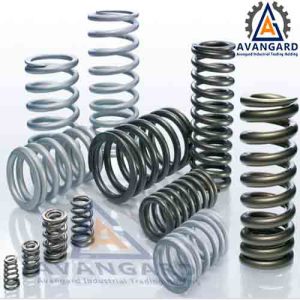
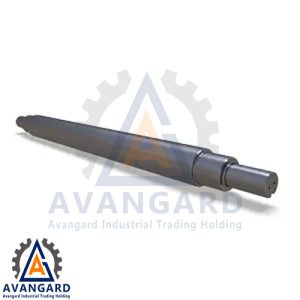
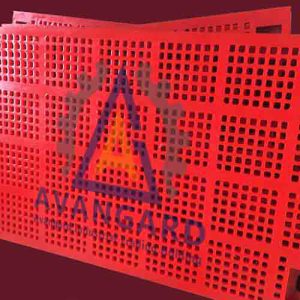
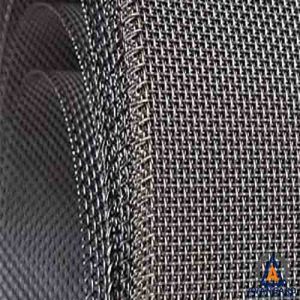

A screen mesh is one of the most critical wear components used in crushing, screening, and mineral processing plants. It plays a vital role in separating materials based on particle size, directly affecting production capacity, product quality, and the overall efficiency of the screening process. Proper screening performance also helps reduce equipment downtime and maintenance costs.
In addition to selecting the right screen mesh, using high-quality raw materials in wear-resistant components—such as high-carbon ferrochrome for alloy castings—can significantly improve resistance to abrasion and impact, extending the service life of screening equipment. Choosing a screen mesh that matches the material characteristics, production capacity, and operating conditions is essential for maximizing productivity and minimizing unplanned shutdowns in mining and aggregate processing operations.
What Is a Screen Mesh and What Is It Used For?
A screen mesh is a perforated or woven screening surface installed on a vibrating screen to separate minerals and aggregates according to particle size. It is an indispensable component in material classification and grading processes across numerous industries, including:
- Mining
- Sand and aggregate production
- Cement manufacturing
- Steel production
- Foundries
- Recycling facilities
A properly selected screen mesh improves screening accuracy, minimizes material loss, and enhances the quality and consistency of the final product. For this reason, selecting the appropriate mesh material, aperture size, and wire diameter is crucial to achieving reliable performance and long service life.
Types of Screen Mesh
Screen meshes are manufactured in various designs and materials to meet different operating requirements. Each type offers unique advantages depending on the application, material characteristics, and working environment.
| Screen Mesh Type | Key Features | Typical Applications |
| Steel Screen Mesh | High mechanical strength, cost-effective | Sand and aggregate plants, general mining operations |
| Wear-Resistant Screen Mesh | Excellent resistance to abrasion and impact | Hard rock quarries, mining operations with highly abrasive materials |
| Polyurethane Screen Mesh | High flexibility, reduced material blinding and clogging | Wet screening applications and moisture-rich environments |
| Stainless Steel Screen Mesh | Superior corrosion resistance | Chemical processing, food processing, and corrosive environments |
Key Factors to Consider When Choosing a Screen Mesh
Selecting the right screen mesh involves much more than choosing the appropriate aperture size. Several factors influence screening efficiency, durability, and overall operational performance.
1. Type of Material Being Processed
The hardness and abrasiveness of the material significantly affect screen mesh wear. Hard rocks such as granite, basalt, and iron ore generate high levels of abrasion, making wear-resistant screen meshes the preferred choice for extended service life and improved reliability.
2. Feed Size
The size of the incoming material determines the required wire diameter and mesh strength. Larger rocks exert greater impact forces on the screen surface, making thicker wire diameters essential to provide sufficient mechanical strength and prevent premature failure.
3. Production Capacity
High-capacity crushing and screening plants require screen meshes capable of handling continuous heavy material flow. An improperly selected mesh may tear prematurely, resulting in unplanned downtime, reduced productivity, and increased maintenance costs.
4. Operating Environment
Environmental conditions such as moisture, mud, slurry, corrosive chemicals, or highly abrasive materials can significantly reduce the service life of a screen mesh. Selecting the appropriate material—such as wear-resistant steel, polyurethane, or stainless steel—according to the operating environment is critical for achieving optimal performance and long-term durability.
How to Extend the Service Life of a Screen Mesh
Although a screen mesh is considered a consumable wear part, proper installation, operation, and maintenance can substantially extend its service life while reducing replacement costs.
The following best practices are recommended:
- Install the screen mesh correctly to ensure uniform tension and secure fastening.
- Adjust the vibration amplitude and operating parameters according to the equipment manufacturer’s recommendations.
- Prevent oversized rocks or foreign objects from entering the screening system.
- Perform routine inspections to identify wear, loose fasteners, or damaged sections before they lead to failure.
- Replace worn screen components and supporting parts promptly to prevent excessive stress on the mesh.
In addition, manufacturing high-quality wear parts with premium foundry raw materials—including ferrosilicon, high-carbon ferrochrome, and low-sulfur graphite—can significantly improve abrasion resistance, mechanical performance, and the overall durability of crushing and screening equipment. These materials play an essential role in producing high-performance alloy castings for demanding mining and aggregate applications.

Key Considerations When Purchasing a Screen Mesh
Before purchasing a screen mesh, it is important to evaluate several technical factors to ensure optimal performance, durability, and cost-effectiveness.
Key considerations include:
- Wire material and overall quality
- Mesh aperture size appropriate for the desired final product size
- Wire diameter based on feed size and operating conditions
- Resistance to abrasion and impact
- Manufacturing quality and compliance with recognized industry standards
- Supplier reputation, technical expertise, and reliable after-sales support
Although premium-quality screen meshes may involve a higher initial investment, they typically deliver a lower total cost of ownership by reducing maintenance expenses, minimizing unplanned downtime, and extending service life.
Benefits of Using a High-Quality Screen Mesh
Investing in a high-quality screen mesh provides significant operational and economic advantages for crushing and screening plants, including:
- Higher screening efficiency and more accurate particle classification
- Reduced production downtime
- Lower maintenance and replacement costs
- Extended service life of vibrating screening equipment
- Improved consistency and quality of the final product
- Reduced material waste and increased production efficiency
Conclusion
A screen mesh is one of the most essential wear components in crushing, screening, and aggregate processing plants. Selecting the appropriate screen mesh has a direct impact on production efficiency, product quality, equipment reliability, and operating costs.
Factors such as the type of material being processed, production capacity, mesh aperture, wire diameter, screen material, and operating environment should all be carefully evaluated before making a selection.
If you are looking for high-quality screen meshes, crusher wear parts, foundry products, or industrial raw materials, Avangard Industrial Trading Holding offers comprehensive solutions for the mining, aggregate, foundry, and heavy industrial sectors. With extensive industry experience and a commitment to quality, Avangard provides reliable products engineered to maximize equipment performance and operational efficiency.
🏢 Avangard Industrial Trading Holding Company – A pioneer in supplying and manufacturing casting parts in the Middle East 🌍 📞 Phone: +98 912 022 8576 🌐 Website: En.Avangardholding.com