فارسی
فارسی  العربية
  Русский
  Azərbaycan


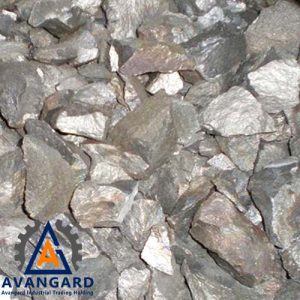
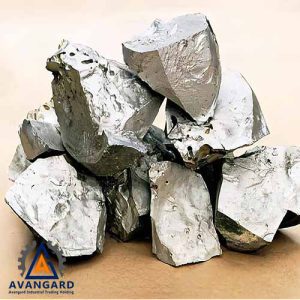
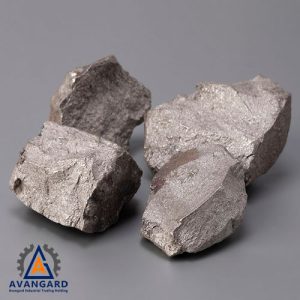
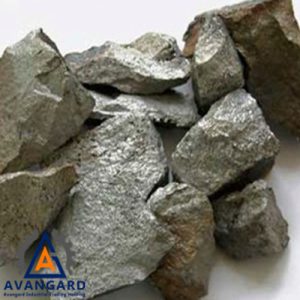
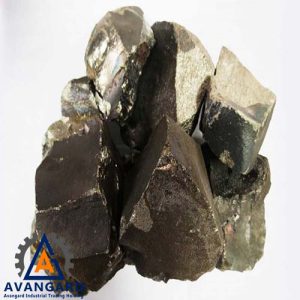
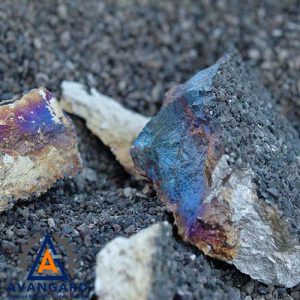
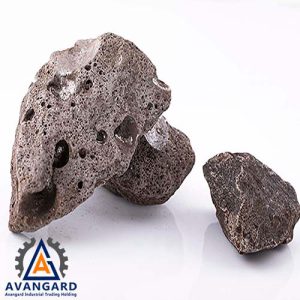
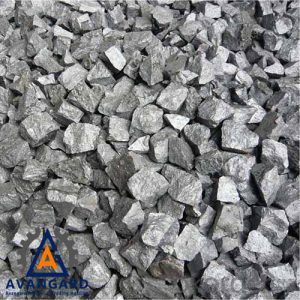
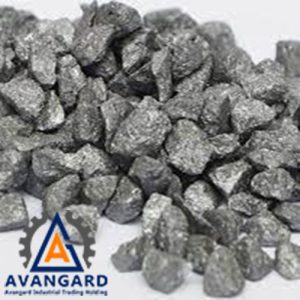

Foundry raw materials are among the most critical factors in manufacturing high-quality, durable, and wear-resistant metal castings. Selecting the right materials not only enhances the mechanical and metallurgical properties of cast components but also reduces production costs, minimizes casting defects and scrap rates, and extends the service life of the final products. In industries such as mining, cement, steel, construction, and automotive manufacturing, the performance and reliability of cast components largely depend on the quality of the raw materials used throughout the casting process.
Modern foundry operations rely on far more than just base metals. Ferroalloys, carbon additives, inoculants, refractory materials, and metallurgical additives play essential roles in controlling the chemical composition of the molten metal, refining the microstructure, improving melt cleanliness, and achieving the desired mechanical properties of the finished casting. Therefore, understanding different categories of foundry raw materials and selecting the appropriate grades are fundamental to producing castings that meet international quality standards.
What Are Foundry Raw Materials?
Foundry raw materials include a wide range of base metals, ferroalloys, carbon raisers, refractory products, and metallurgical additives used in the production of steel and cast iron components. Each material serves a specific purpose in optimizing melt quality, adjusting chemical composition, enhancing mechanical performance, and reducing casting defects.
Proper material selection significantly improves key performance characteristics such as wear resistance, tensile strength, toughness, impact resistance, and corrosion resistance. For this reason, professional foundries rely on high-quality, certified raw materials to manufacture castings that comply with internationally recognized industrial standards while delivering consistent performance in demanding operating conditions.

Major Raw Materials Used in Foundry Operations
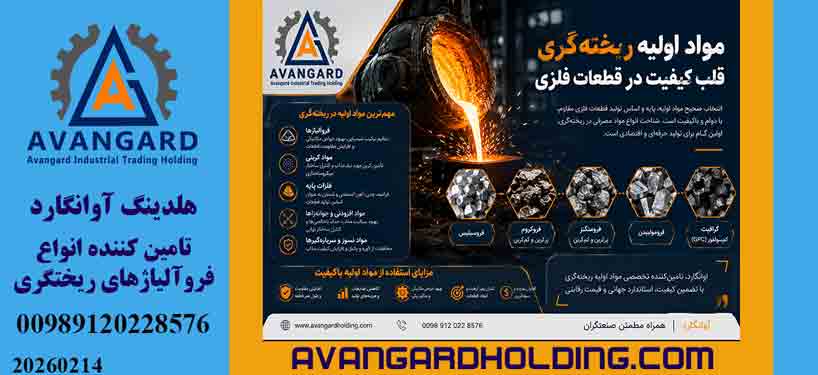
A modern foundry utilizes a variety of specialized raw materials, each designed for a specific metallurgical function. The table below summarizes the most widely used materials and their primary applications.
| Raw Material | Primary Function | Typical Applications |
| Ferrosilicon (FeSi) | Deoxidation and inoculation | Gray iron and ductile iron castings |
| High Carbon Ferrochrome (HC FeCr) | Increases hardness and wear resistance | Wear-resistant steels and castings |
| Low Carbon Ferrochrome (LC FeCr) | Alloying element for stainless and specialty steels | Stainless steel production |
| High Carbon Ferromanganese (HC FeMn) | Improves strength and removes sulfur | Manganese steels and alloy steels |
| Low Carbon Ferromanganese (LC FeMn) | Precise adjustment of alloy chemistry | Specialty and high-grade alloy steels |
| Ferromolybdenum (FeMo) | Enhances high-temperature strength and hardenability | Tool steels and heat-resistant steels |
| Low Sulfur Graphite (GPC – Graphitized Petroleum Coke) | Carbon recarburizer for molten metal | Steelmaking and cast iron production |
| Calcined Petroleum Coke (CPC) | Increases carbon content | Steelmaking and foundry applications |
| Steel Scrap | Primary metallic charge material | Steel castings |
| Pig Iron | Base metal for iron melting | Gray iron, ductile iron, and other cast iron products |
Ferroalloys: The Most Important Raw Materials in Foundry Operations
Ferroalloys are among the most essential raw materials used in the foundry industry. These alloying materials are added to molten metal to precisely adjust its chemical composition and enhance the mechanical properties of the final casting. Proper ferroalloy selection improves casting quality, minimizes solidification defects, refines the microstructure, and ensures consistent metallurgical performance.
Among the most widely used ferroalloys, Ferrosilicon (FeSi) serves as both an effective deoxidizer and an inoculant. It promotes the formation of a desirable graphite structure in cast iron, improves fluidity, and contributes to superior mechanical properties in gray and ductile iron castings.
High Carbon Ferrochrome (HC FeCr) is extensively used in the production of wear-resistant steels and castings, including jaw crusher liners, crusher hammers, mining wear parts, and other high-abrasion industrial components. Its high chromium content significantly increases hardness and wear resistance, making it an indispensable alloy in mining and aggregate processing industries.
In contrast, Low Carbon Ferrochrome (LC FeCr) is primarily utilized in manufacturing stainless steels and high-grade alloy steels, where strict carbon control is required to maintain corrosion resistance, weldability, and mechanical performance.
Another key alloying material is High Carbon Ferromanganese (HC FeMn), which improves steel strength while effectively combining with sulfur to reduce its harmful effects. This ferroalloy is widely used in steelmaking because it enhances toughness, hardness, and overall metallurgical quality.
For applications requiring precise chemical composition, Low Carbon Ferromanganese (LC FeMn) is the preferred choice. Its low carbon content enables steel producers to achieve accurate alloy chemistry without introducing excessive carbon into specialty and high-performance steels.
One of the most valuable alloying additions is Ferromolybdenum (FeMo). Molybdenum improves high-temperature strength, tensile strength, hardenability, creep resistance, and overall durability. As a result, ferromolybdenum is extensively used in manufacturing industrial components that operate under severe temperatures, heavy loads, and demanding service conditions.
Carbon Additives and Their Role in Molten Metal Quality
In addition to ferroalloys, carbon additives are indispensable raw materials in modern foundry operations. They are used to adjust the carbon content of molten metal, optimize metallurgical characteristics, and improve the overall quality of cast products.
Low Sulfur Graphite (GPC – Graphitized Petroleum Coke) is recognized as one of the highest-quality carbon recarburizers available for steel and cast iron production. Its extremely low sulfur content helps maintain metal purity, improves mechanical properties, and minimizes the risk of metallurgical defects. Consequently, many professional foundries rely on GPC as their primary carbon source for producing high-quality castings.
Another widely used carbon material is Calcined Petroleum Coke (CPC). CPC plays an important role in increasing the carbon content of molten metal and maintaining the desired chemical composition during melting. The selection between GPC and CPC depends on factors such as alloy grade, required carbon recovery, casting quality requirements, and the overall melting process.
Base Metals: The Foundation of Metal Casting
Base metals constitute the primary metallic charge in the melting process and have a direct influence on the final properties of steel and iron castings. Foundries commonly use steel scrap, pig iron, direct reduced iron (DRI), and selected alloying metals as their principal charge materials.
Selecting high-quality base metals improves chemical composition control, enhances melting efficiency, reduces production costs, and ensures consistent casting quality.
The quality of steel scrap is particularly critical. Contaminated or poorly sorted scrap may introduce undesirable residual elements that cause metallurgical defects, reduce mechanical performance, and increase melt treatment costs. For this reason, reputable foundries purchase charge materials with certified chemical analyses and maintain strict quality control throughout the melting process.
Refractory Materials and Fluxes in Foundry Processes
Although refractory materials do not become part of the finished casting, they are indispensable to safe and efficient foundry operations. High-quality refractories protect melting furnaces, crucibles, ladles, and other high-temperature equipment from extreme thermal conditions while preventing contamination of the molten metal.
In addition, fluxes and slag conditioners play a vital role in refining molten metal. These materials help remove non-metallic inclusions, reduce oxidation, improve slag fluidity, and enhance melt cleanliness. Selecting the appropriate refractory systems and refining agents not only extends the service life of foundry equipment but also improves surface finish, casting integrity, and the overall quality of finished metal components.
Selecting Foundry Raw Materials Based on Alloy Type
Choosing the appropriate foundry raw materials according to the required alloy is one of the most critical factors in producing high-performance metal castings. Every alloy requires a carefully balanced chemical composition, and using unsuitable raw materials can negatively affect mechanical properties, service life, and overall casting quality.
For example, the production of Hadfield Manganese Steel (ASTM A128)—renowned for its exceptional impact toughness and work-hardening capability—requires the precise addition of High Carbon Ferromanganese (HC FeMn) and, in certain applications, Low Carbon Ferromanganese (LC FeMn). Accurate control of manganese and carbon levels is essential for developing a stable austenitic microstructure, enabling superior wear resistance and extending the service life of critical mining components such as jaw crusher liners, mantles, concaves, and other heavy-duty wear parts.
Similarly, the manufacture of High Chrome Cast Iron depends on the use of High Carbon Ferrochrome (HC FeCr) or, for specific alloy grades requiring tighter carbon control, Low Carbon Ferrochrome (LC FeCr). High-chromium cast irons are widely recognized for their exceptional hardness and abrasion resistance, making them ideal for demanding applications such as crusher hammers, mill liners, slurry pump components, mining equipment, and mineral processing machinery.
The production of Ni-Hard Cast Iron also requires strict control of alloying elements together with premium-quality ferroalloys and certified raw materials. Proper material selection is fundamental to achieving the hardness, wear resistance, and microstructural stability required for long-term performance in abrasive operating environments.
Why Is the Quality of Foundry Raw Materials So Important?
The use of high-quality foundry raw materials provides benefits that extend well beyond improved casting quality. Premium raw materials also deliver significant economic advantages by reducing production losses, minimizing rework, and improving manufacturing efficiency.
High-purity charge materials and certified ferroalloys substantially decrease the likelihood of casting defects such as shrinkage cavities, gas porosity, hot cracking, chemical segregation, and non-metallic inclusions. As a result, foundries can achieve more consistent casting quality while lowering scrap rates and production costs.
Accurate control of the molten metal’s chemical composition also improves the effectiveness of heat treatment, machining operations, and quality inspection. This is especially important for components used in mining, cement plants, steel mills, power generation facilities, and other heavy industries, where castings are subjected to severe wear, impact loading, and harsh operating conditions.
Key Benefits of Using High-Quality Foundry Raw Materials
- Improved wear resistance of cast components
- Higher mechanical strength and structural integrity
- Reduced casting defects and production scrap
- Lower maintenance and repair costs
- Extended service life of industrial equipment
- More accurate control of molten metal chemistry
- Enhanced casting consistency and product reliability
- Increased productivity and manufacturing efficiency
Key Considerations When Selecting Foundry Raw Materials
Selecting foundry raw materials should never be based solely on price. The technical specifications, chemical composition, manufacturing quality, and reliability of the supplier all have a direct impact on the performance, durability, and consistency of the finished castings.
When purchasing raw materials for foundry applications, the following factors should be carefully evaluated:
- Purity level of the raw materials
- Concentration of undesirable elements such as sulfur (S) and phosphorus (P)
- Compliance of the chemical composition with international standards
- Consistent particle size distribution
- Reputation and technical capability of the manufacturer or supplier
- Proper packaging and storage conditions
- Availability of a Certificate of Analysis (COA) for quality verification
Careful consideration of these factors helps optimize the melting process, improve metallurgical consistency, minimize production defects, and ensure superior mechanical properties in the final cast components.
Conclusion
Selecting the right foundry raw materials is one of the most important factors in producing high-quality metal castings while maximizing manufacturing efficiency. The use of certified base metals, premium ferroalloys—including Ferrosilicon (FeSi), High Carbon Ferrochrome (HC FeCr), Low Carbon Ferrochrome (LC FeCr), High Carbon Ferromanganese (HC FeMn), Low Carbon Ferromanganese (LC FeMn), and Ferromolybdenum (FeMo)—together with high-quality carbon additives, plays a critical role in controlling chemical composition, improving mechanical properties, and enhancing resistance to wear, impact, and corrosion.
Beyond material selection, rigorous incoming material inspection, verification of chemical analyses, and sourcing from reputable suppliers are equally essential. These practices reduce scrap rates, lower production costs, extend equipment service life, and ensure that finished castings consistently meet international industrial standards.
If you are looking for a reliable supplier of foundry raw materials, ferroalloys, carbon additives, and specialized metallurgical alloys, Avangard Holding offers high-quality products backed by technical expertise and strict quality control. Our engineering team can help you select the most suitable materials based on your alloy specifications, production process, and project requirements, ensuring optimum performance and long-term reliability.
🏢 Avangard Industrial Trading Holding Company – A pioneer in supplying and manufacturing casting parts in the Middle East 🌍 📞 Phone: +98 912 022 8576 🌐 Website: En.Avangardholding.com