فارسی
فارسی  العربية
  Русский
  Azərbaycan

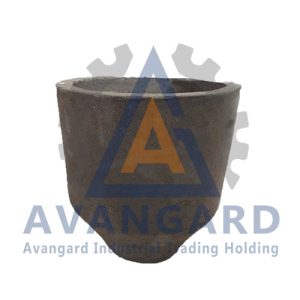
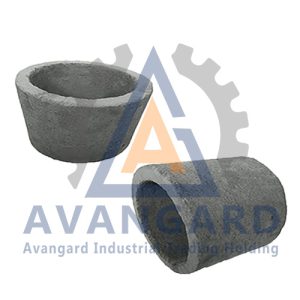
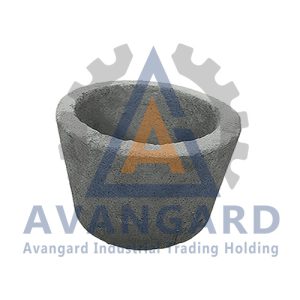
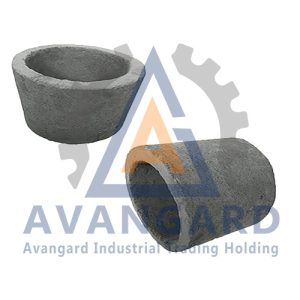
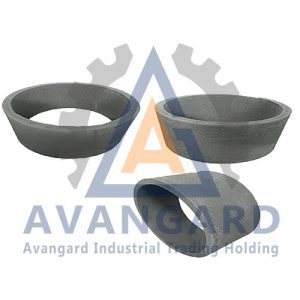
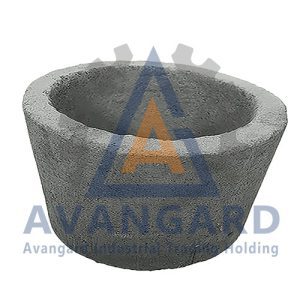
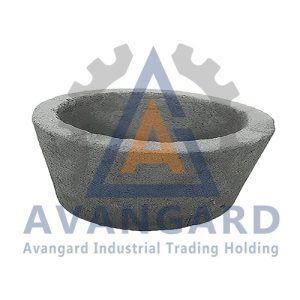
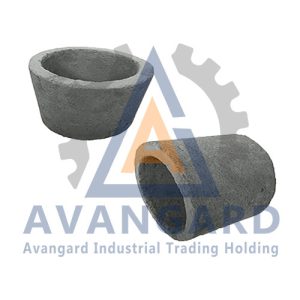
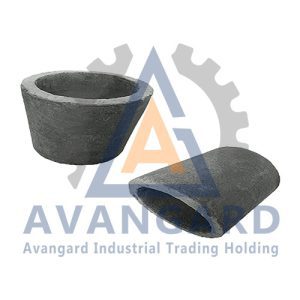
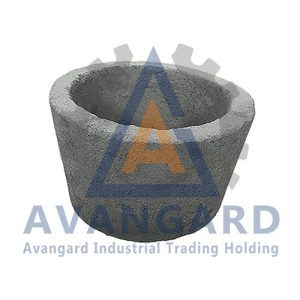

A casting sleeve is one of the most important consumables in the casting process, playing a vital role in improving casting quality, minimizing shrinkage defects, and enhancing production efficiency. Selecting the right sleeve, together with high-quality foundry raw materials and a properly designed feeding system, contributes to manufacturing castings with superior mechanical properties and lower rejection rates. This is especially critical in the production of industrial components, crusher wear parts, mining equipment, and a wide range of steel and cast iron castings.
If the casting sleeve is not selected according to the alloy type, casting geometry, and process conditions, the risk of shrinkage cavities, internal porosity, and other casting defects increases significantly. Therefore, understanding the different types of casting sleeves and the criteria for selecting the most suitable one is essential for foundry engineers, manufacturers, and casting professionals.
What Is a Casting Sleeve?
A casting sleeve (also known as a riser sleeve or feeder sleeve) is a refractory component placed around the riser (feeder) to retain heat or control heat transfer during the solidification process. Its primary function is to keep the molten metal inside the riser in a liquid state for a longer period, allowing it to compensate for the volumetric shrinkage that occurs as the casting solidifies.
In simple terms, a casting sleeve extends the feeding process until the final stage of solidification, preventing internal shrinkage defects and ensuring the production of sound castings. For this reason, casting sleeves are widely used in manufacturing critical steel castings, alloy cast iron components, mining equipment, and other heavy-duty industrial parts where casting integrity is essential.

Why Are Casting Sleeves Important?
Using the appropriate casting sleeve offers numerous technical and economic advantages, including:
- Reducing shrinkage cavities and internal porosity
- Improving the metallurgical quality of castings
- Minimizing production scrap and rejection rates
- Increasing feeding efficiency during solidification
- Reducing molten metal consumption
- Enhancing overall foundry productivity
- Lowering machining, repair, and finishing costs
In foundries producing heavy castings or components with thick cross-sections, the use of properly designed casting sleeves is virtually indispensable. They help ensure directional solidification, improve casting soundness, and significantly increase production efficiency while reducing manufacturing costs.
Types of Casting Sleeves
Casting sleeves are generally classified into two main categories based on their thermal performance and application: Exothermic Sleeves and Insulating Sleeves. Choosing the right type depends on factors such as the casting alloy, section thickness, casting size, and feeding requirements.
1. Exothermic Sleeve
An Exothermic Sleeve not only provides excellent thermal insulation but also generates heat through an exothermic chemical reaction when it comes into contact with molten metal. This additional heat keeps the molten metal inside the riser liquid for a longer period, allowing the casting to be fed more effectively during solidification.
As a result, exothermic sleeves promote directional solidification, reduce shrinkage defects, and improve the overall soundness of the casting. They are widely used in the production of large steel castings, heavy industrial components, mining equipment, and crusher parts, where reliable feeding is critical.
Advantages of Exothermic Sleeves
- Generate additional heat during the casting process
- Maintain the temperature of molten metal for a longer time
- Extend feeding duration during solidification
- Reduce riser size and improve metal yield
- Lower molten metal consumption
- Ideal for steel castings and large, heavy-section components
2. Insulating Sleeve
An Insulating Sleeve does not generate heat. Instead, it minimizes heat loss by reducing thermal transfer between the riser and the surrounding mold. This slows the cooling rate of the molten metal and allows the riser to remain effective throughout the solidification process.
Insulating sleeves are commonly used for cast iron components and castings that do not require the additional heat generated by exothermic sleeves. They provide an economical and efficient solution for many standard foundry applications.
Advantages of Insulating Sleeves
- Cost-effective compared to exothermic sleeves
- Easy to install and handle
- Reduce heat loss during solidification
- Improve feeding efficiency in many casting applications
- Well suited for a wide range of cast iron castings
Comparison of Exothermic and Insulating Sleeves
| Heat Generation | Yes | No |
| Thermal Retention | Excellent | High |
| Cost | Higher | More Economical |
| Best Application | Steel castings and large, heavy-section components | Cast iron and medium-sized castings |
| Feeding Efficiency | Very High | High |
| Riser Size Reduction | Greater | Moderate |
How to Choose the Right Casting Sleeve
Selecting the appropriate casting sleeve involves much more than comparing prices. To achieve optimal feeding performance, minimize casting defects, and improve production efficiency, several technical factors must be carefully evaluated.
· Alloy Type
The casting alloy is one of the most important criteria when selecting a sleeve. Different alloys have different solidification characteristics and feeding requirements.
For example, Hadfield manganese steel castings typically require sleeves with superior heat retention to maintain effective feeding throughout solidification. In contrast, high-chrome cast iron components often have different thermal behavior, requiring sleeve specifications that match their unique solidification characteristics.
· Casting Size and Weight
The size and weight of a casting directly affect its feeding requirements. Larger and heavier castings generally require a longer feeding time to compensate for solidification shrinkage.
In these applications, exothermic sleeves are usually the preferred choice because they generate additional heat, keep the riser molten for a longer period, and improve feeding efficiency.
· Casting Geometry
The geometry of the casting also plays a critical role. Components with varying wall thicknesses, complex shapes, or localized heavy sections require a carefully designed feeding system and appropriately selected sleeves to promote directional solidification and prevent internal defects.
· Casting Process
The casting method itself significantly influences sleeve selection. Factors such as the molding process, mold material, solidification rate, gating and riser design, and production conditions should all be considered to ensure optimal casting performance.
· Quality of Raw Materials
The performance of a casting sleeve largely depends on the quality of the materials used in its manufacture. High-quality foundry raw materials improve thermal insulation, increase heat resistance, enhance feeding performance, and contribute to lower rejection rates and higher casting quality.
Selecting premium sleeves manufactured from reliable refractory materials ultimately helps foundries produce more consistent, defect-free castings while improving productivity and reducing overall manufacturing costs.
Applications of Casting Sleeves Across Industries
Today, casting sleeves are widely used across numerous industrial sectors where casting quality, dimensional integrity, and production efficiency are critical. Their primary role in ensuring effective feeding during solidification makes them indispensable for manufacturing high-performance cast components.
Common applications include:
- Steel manufacturing
- Cement plants and processing equipment
- Mining and mineral processing industries
- Crusher wear parts and crushing equipment
- Oil and gas industry
- Construction and road machinery
- Power generation equipment
- Heavy industrial castings
In these industries, reducing casting defects and improving product quality are essential for lowering production costs, minimizing material waste, and extending the service life of critical components.

Key Considerations When Purchasing Casting Sleeves
Before selecting a casting sleeve, foundries should evaluate several technical factors to ensure optimal performance and compatibility with their casting process.
Important considerations include:
- Sleeve type (Exothermic or Insulating)
- Thermal insulation and heat retention performance
- Mechanical strength
- Manufacturing quality and consistency
- Compatibility with the casting alloy
- Riser dimensions and feeding requirements
- Technical support and supplier reliability
Choosing the right casting sleeve not only enhances casting quality but also improves metal yield, reduces production scrap, lowers manufacturing costs, and increases overall foundry efficiency.
Conclusion
A casting sleeve is a critical component of an efficient feeding system and plays a decisive role in producing high-quality castings. Selecting the appropriate sleeve helps reduce shrinkage defects, improve directional solidification, enhance metallurgical integrity, and increase production efficiency.
Understanding the differences between Exothermic Sleeves and Insulating Sleeves, while considering factors such as alloy type, casting size, component geometry, and process conditions, enables foundries to select the most effective solution for their specific applications.
Whether manufacturing steel castings, alloy cast iron components, mining equipment, or crusher wear parts, investing in high-quality casting sleeves contributes to better casting performance and long-term cost savings.
If you are looking for expert solutions in casting technology, premium foundry raw materials, or the manufacturing and supply of crusher wear parts and heavy industrial components, Avangard Industrial & Commercial Holding offers comprehensive technical expertise, engineering support, and high-quality products tailored to the needs of modern foundries and mining industries. Our specialists are ready to help you select the most suitable materials, equipment, and casting solutions to maximize the performance and reliability of your production processes.
🏢 Avangard Industrial Trading Holding Company – A pioneer in supplying and manufacturing casting parts in the Middle East 🌍 📞 Phone: +98 912 022 8576 🌐 Website: En.Avangardholding.com