فارسی
فارسی  العربية
  Русский
  Azərbaycan

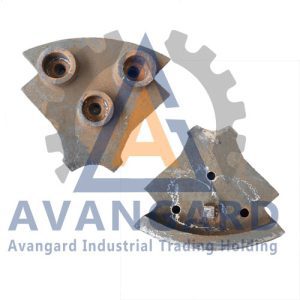
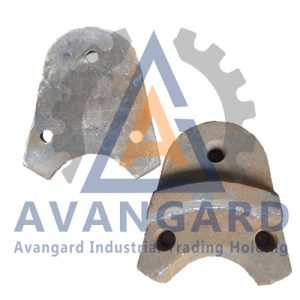
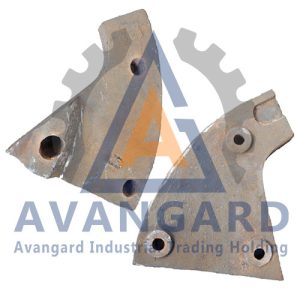
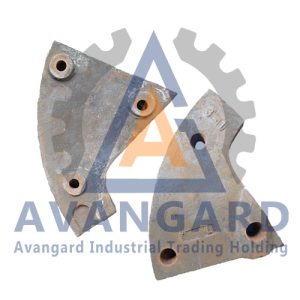
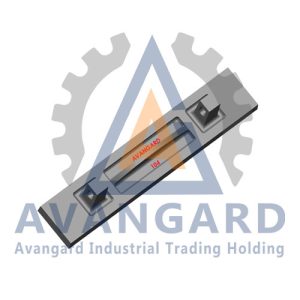
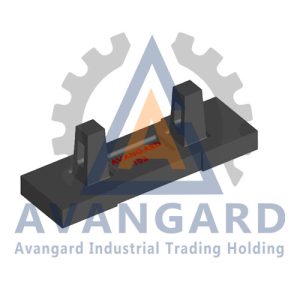
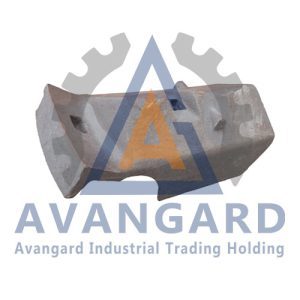
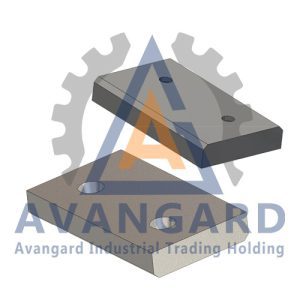

Ferrochrome (FeCr) is one of the most important ferroalloys used in the steelmaking and foundry industries. Owing to its high chromium content, it plays a fundamental role in the production of alloy steels and stainless steels. In addition to significantly improving corrosion and wear resistance, ferrochrome enhances the hardness, strength, and durability of steel components. As a result, it has become one of the primary raw materials used by steel manufacturers and foundries during the melting and alloying processes.
In industries such as mining, cement, steel production, oil and gas, and the manufacturing of crusher wear parts, selecting the appropriate grade of ferrochrome has a direct impact on the quality and performance of the final product. Alongside other essential ferroalloys—including ferromolybdenum, high-carbon ferromanganese, ferrosilicon, and carbon additives such as low-sulfur graphite—ferrochrome plays a vital role in achieving the desired mechanical and metallurgical properties of steel and cast components.
What Is Ferrochrome?
Ferrochrome (FeCr) is a ferroalloy composed primarily of iron (Fe) and chromium (Cr), typically containing 50% to 70% chromium. It is produced by reducing chromite ore in a submerged electric arc furnace (SAF) and is recognized worldwide as one of the most essential raw materials for manufacturing alloy steels and stainless steels.
The primary function of ferrochrome is to increase the chromium content of molten steel. Chromium forms a thin, stable oxide layer on the steel surface, providing outstanding resistance to corrosion, oxidation, and aggressive chemical environments. This protective layer is the key reason why chromium-containing steels are widely used in demanding industrial applications where long service life and superior performance are required.

Chemical Composition of Ferrochrome
The chemical composition of ferrochrome varies depending on its grade and intended application. However, a typical composition is shown below:
| Element | Typical Range |
| Chromium (Cr) | 50–70% |
| Carbon (C) | 0.03–9% |
| Silicon (Si) | Less than 3% |
| Phosphorus (P) | Less than 0.05% |
| Sulfur (S) | Less than 0.03% |
The carbon content is one of the most critical factors determining the application of ferrochrome in different industries. Depending on the required steel grade, manufacturers select high-carbon, medium-carbon, or low-carbon ferrochrome to achieve the desired balance of hardness, strength, corrosion resistance, and metallurgical performance.
Types of Ferrochrome
Ferrochrome is classified into three primary categories based on its carbon content, with each grade specifically designed to meet different steelmaking and metallurgical requirements.
1. High Carbon Ferrochrome (HC FeCr)
High Carbon Ferrochrome (HC FeCr) contains the highest level of carbon and is the most widely used grade in the steel industry. It is commonly utilized in the production of structural steels, alloy steels, and wear-resistant castings and components. Due to its cost-effective manufacturing process and competitive pricing, HC FeCr is the preferred choice for large-scale steel production where higher carbon content is acceptable.
2. Medium Carbon Ferrochrome (MC FeCr)
Medium Carbon Ferrochrome (MC FeCr) is designed for manufacturing alloy steels that require a controlled carbon level while maintaining excellent wear resistance and mechanical strength. This grade is extensively used by alloy steel producers to achieve a balance between hardness, toughness, and metallurgical quality.
3. Low Carbon Ferrochrome (LC FeCr)
Low Carbon Ferrochrome (LC FeCr) is primarily used in the production of stainless steels, tool steels, and high-performance engineering steels. Its low carbon content helps improve the quality of the finished steel by minimizing the formation of undesirable chromium carbides, thereby enhancing corrosion resistance, toughness, and overall mechanical performance.
Ferrochrome Production Process
Ferrochrome is primarily produced in Submerged Electric Arc Furnaces (SAF) through the carbothermic reduction of chromite ore (FeCr₂O₄).
During the smelting process, chromite ore is charged into the furnace together with coke, coal, and other reducing agents. Under extremely high temperatures, the chromium oxides are reduced and alloyed with iron to produce molten ferrochrome. The molten alloy is then tapped, refined when necessary, and solidified into commercial sizes for use in steelmaking and foundry applications.
The quality and consistency of ferrochrome depend on several critical factors, including:
- Quality and purity of the chromite ore
- Furnace technology and operating conditions
- Energy efficiency during the smelting process
- Accurate control of the alloy’s chemical composition
- Proper refining and slag management
Careful control of these parameters ensures the production of high-quality ferrochrome with consistent chemical properties suitable for demanding industrial applications.
Major Applications of Ferrochrome
The steel industry accounts for the largest share of global ferrochrome consumption. However, its applications extend well beyond steel production, making it an indispensable material across numerous heavy industries.
The principal applications of ferrochrome include:
- Stainless steel production
- Alloy steel manufacturing
- Wear-resistant castings and components
- Heat-resistant steel production
- Petrochemical industry
- Oil and gas industry
- Power generation equipment
- Mining and cement industries
- Industrial foundry castings
- Pressure vessels and heavy industrial equipment
For components operating under severe abrasive and impact conditions, ferrochrome is often used in combination with advanced wear-resistant alloys such as Hadfield manganese steel and high-chromium white cast iron (Hi-Chrome Cast Iron). This combination significantly extends service life, enhances operational reliability, and reduces maintenance and replacement costs for critical equipment, including crusher parts, mining machinery, and mineral processing equipment.
Advantages of Using Ferrochrome in Alloy Steel Production
Ferrochrome is one of the most effective ferroalloys for enhancing both the mechanical and chemical properties of steel. By increasing the chromium content in molten steel, ferrochrome significantly improves the performance of the final product in demanding operating environments. Consequently, it has become an indispensable raw material in the steel, mining, foundry, heavy engineering, and manufacturing industries.
The principal advantages of using ferrochrome include:
- Excellent corrosion and rust resistance
- Enhanced wear and abrasion resistance
- Increased hardness and mechanical strength
- Superior oxidation resistance at elevated temperatures
- Extended service life of industrial equipment and components
- Improved resistance to chemicals and aggressive environments
- Reduced long-term maintenance, repair, and replacement costs
Thanks to these advantages, ferrochrome is considered a strategic raw material in the production of industrial components, mining equipment, road construction machinery, wear-resistant castings, and high-performance steel products.
Comparison of Ferrochrome with Other Ferroalloys
Each ferroalloy serves a specific metallurgical function during the steelmaking process. Selecting the appropriate alloying material is essential for achieving the desired chemical composition, mechanical properties, and overall product quality.
| Ferroalloy | Primary Alloying Element | Main Application |
| Ferrochrome (FeCr) | Chromium (Cr) | Improves corrosion resistance, wear resistance, hardness, and stainless steel production |
| Ferromolybdenum (FeMo) | Molybdenum (Mo) | Increases high-temperature strength, creep resistance, and hardenability |
| High Carbon Ferromanganese (HC FeMn) | Manganese (Mn) | Deoxidation, desulfurization, and improved toughness |
| Ferrosilicon (FeSi) | Silicon (Si) | Deoxidation of molten steel and improvement of steel cleanliness |
| Low-Sulfur Graphite | Carbon (C) | Carbon adjustment during melting and chemical composition control in cast iron and steel |
In modern steel plants and foundries, these raw materials are often used in combination, with their proportions carefully determined according to the required chemical analysis and the desired mechanical properties of the final product. Proper selection and precise alloying ensure improved metallurgical performance, enhanced product quality, and consistent manufacturing results across a wide range of industrial applications.
Key Considerations When Selecting and Purchasing Ferrochrome
Selecting the right ferrochrome involves much more than comparing prices. Evaluating its technical specifications, chemical composition, and overall quality is essential to achieving optimal steel performance, minimizing production losses, and improving manufacturing efficiency.
When purchasing ferrochrome, the following factors should be carefully considered:
- Chromium content and alloy purity
- Carbon content appropriate for the intended steel grade
- Phosphorus and sulfur levels
- Particle size and sizing consistency
- Uniformity of the chemical composition
- Compliance with recognized manufacturing and quality control standards
- Reliability and reputation of the manufacturer or supplier
Using high-quality ferrochrome not only enhances the metallurgical properties of steel but also reduces production defects, improves melting efficiency, and increases the productivity of steelmaking and foundry operations.

The Role of Ferrochrome in the Mining and Foundry Industries
The mining industry and manufacturers of crusher wear parts are among the largest consumers of wear-resistant steels and high-performance cast alloys. Critical components such as jaw crusher plates, mantles, concaves, crusher hammers, and sand making machine wear parts must withstand severe abrasion, high-impact loads, and continuous operating stresses.
To meet these demanding service conditions, Hadfield manganese steel is commonly selected for its exceptional impact resistance, while high-chromium white cast iron (Hi-Chrome Cast Iron) is preferred for applications requiring superior abrasion resistance. Ferrochrome is one of the key raw materials used in producing these advanced alloys, as it provides the chromium necessary to achieve the required hardness, wear resistance, and corrosion performance.
Careful selection of the appropriate ferrochrome grade, combined with precise control of the alloy’s chemical composition during melting, has a direct influence on the quality, durability, and service life of wear-resistant components used in mining, aggregate processing, cement plants, and other heavy industrial applications.
Conclusion
Ferrochrome is one of the most important ferroalloys used in the steelmaking and foundry industries. It plays a critical role in improving the corrosion resistance, wear resistance, oxidation resistance, hardness, and overall mechanical performance of alloy steels and stainless steels.
Selecting the appropriate ferrochrome grade and sourcing high-quality raw materials have a direct impact on production efficiency, equipment reliability, product quality, and long-term maintenance costs. As industries continue to demand higher-performance materials, ferrochrome remains an indispensable alloying element for manufacturing durable and high-quality steel products.
Avangard Industrial & Trading Holding supplies a comprehensive range of premium foundry raw materials, including ferrochrome, ferromolybdenum, high-carbon ferromanganese, ferrosilicon, low-sulfur graphite, and other ferroalloys for the steel and foundry industries. Backed by extensive expertise in metallurgy, alloy selection, and industrial manufacturing, our technical specialists provide professional consultation and reliable material supply tailored to the specific requirements of mining, steelmaking, foundry, and heavy industrial applications.
🏢 Avangard Industrial Trading Holding Company – A pioneer in supplying and manufacturing casting parts in the Middle East 🌍 📞 Phone: +98 912 022 8576 🌐 Website: En.Avangardholding.com