فارسی
فارسی  العربية
  Русский
  Azərbaycan

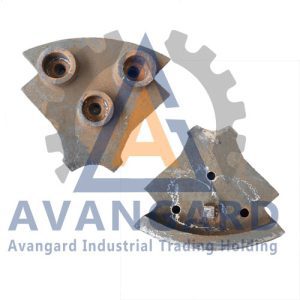
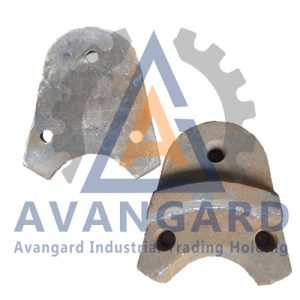
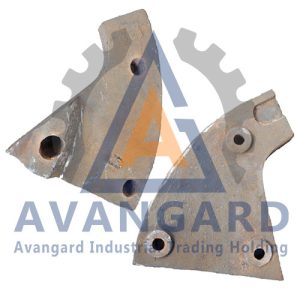
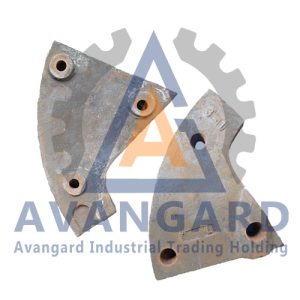
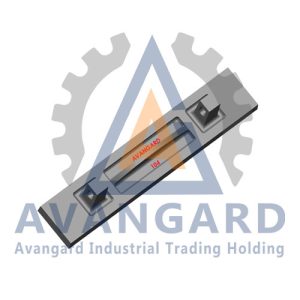
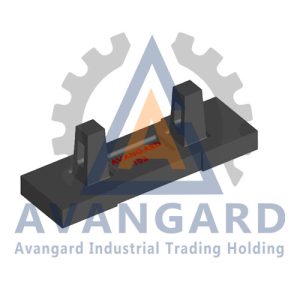
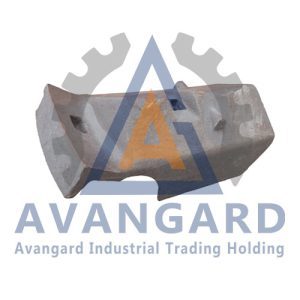
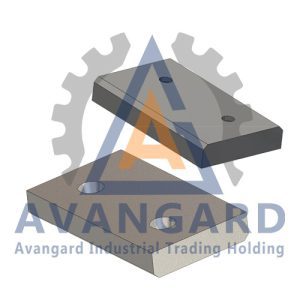
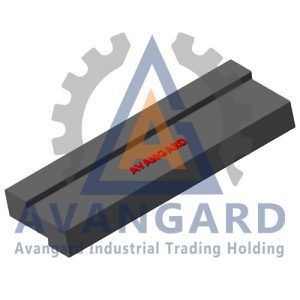
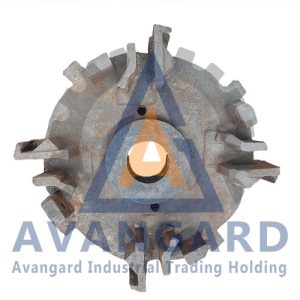
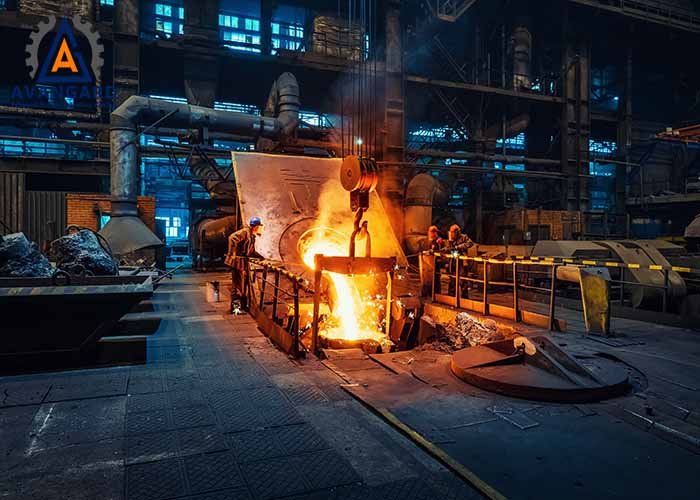
The production of cast iron components, while offering numerous advantages, also comes with certain challenges. Casting defects in cast iron play a significant role in the final product quality and can affect the purity and structural integrity of the parts. Common defects include cracking, porosity, and other structural imperfections, which not only disrupt the production process but also increase manufacturing costs and reduce overall efficiency. Moreover, such defects can significantly shorten the service life of cast iron components.
Considering the importance of maintaining quality and durability in cast iron products, accurate identification of casting defects and the implementation of preventive measures play a crucial role in optimizing the casting process. In this article from Avangard Holding, we provide a comprehensive overview of the most common defects in cast iron casting and introduce effective solutions to prevent and minimize them, ensuring the production of high-standard components with excellent performance.
The Casting Process of Cast Iron and the Importance of Defect Recognition
The casting process of cast iron refers to shaping molten iron in molds and transforming it into durable and high-strength parts. In this method, molten cast iron is poured into special molds and, after passing through specific stages, solidifies into the final cast iron components. Cast iron foundry services are typically performed using three main methods, chosen by different industries based on their needs and applications:
- Ductile Iron Casting (Nodular Casting): In this process, magnesium and other additives are introduced into the molten iron, altering the graphite structure and transforming it into a spherical form. This reduces brittleness and enhances the mechanical strength of cast iron.
- CO₂ Sand Casting Method: This technique involves molding with silica sand and sodium silicate binders. When exposed to CO₂ gas, the binder hardens and bonds the sand particles together. This method provides high dimensional accuracy, making it ideal for producing cast iron parts requiring precise machining.
- Core Molding Method: Cores are the internal parts of molds used to form hollow sections in castings. In complex molds, sand is blown into the cavity under air pressure, enabling the production of strong and high-quality cast iron components.

The Importance of Identifying Casting Defects in Cast Iron
Factories and businesses engaged in the production of cast iron components are constantly striving for high quality. Casting defects in cast iron can reduce product quality and purity, increase production scrap and costs, and lower overall process efficiency. In addition, these defects contribute to higher energy and time losses, directly impacting the final cost of production.
Types of Cast Iron Casting Defects
Casting defects in cast iron are highly diverse, and their identification plays a key role in improving quality and reducing costs. By using Avangard’s modern workshop equipment and specialized services, the latest methods can be applied to prevent these defects in cast iron production.
- Porosity Porosity refers to the presence of cavities or gas bubbles in Casting Components, which decrease mechanical strength and product quality. The main types of porosity include:
- Gas Holes: Caused by sudden pressure changes or the entry of external gases into the molten metal, appearing in oval or circular shapes, ranging in size from microscopic to several millimeters.
- Shrinkage Cavities: Occur when molten metal fails to properly reach thick or early-solidifying areas of the mold, creating irregular holes with sharp edges.
- Slag/Flux Holes: Result from the inclusion of impurities or slag in the molten metal, usually found in lower sections of the casting with rough surfaces.
- Cracking Cracking is one of the most common and critical defects in cast iron, appearing as fine to large cracks in castings. It is usually caused by thermal and mechanical stresses during solidification and cooling. Precise control of thermal processes—including temperature management and cooling rate—plays a crucial role in reducing cracking, thereby enhancing the durability and strength of components.
- Metal Penetration Metal penetration into the mold is another common defect that leaves the surface of castings rough and irregular. This issue typically arises from low mold temperature, improper pressure, or incorrect molten metal composition. Improving mold baking processes, controlling temperature, and using suitable lubricants can significantly reduce this defect.
- Cold Shut Cold shut is a surface defect characterized by a rounded-edged crack or seam that forms where two molten metal streams meet at insufficient temperature. This creates a weak zone in the casting. The five main causes of cold shut include:
-
- Low molten metal temperature: Insufficient temperature prevents complete fusion of the streams.
- Excessive flow velocity: Solid particles carried to the junction area obstruct proper fusion.
- Poor gating system design: Uneven molten metal distribution leads to incomplete bonding.
- Misalignment of gates: Streams meeting at improper angles increase cold shut formation.
- Contaminated molten metal: Impurities block complete fusion of the streams.
Surface Defects
Surface defects are the simplest type of casting imperfections that appear on the external surface of cast iron components. These include depressions, fins, scaling, and fine cracks. The main causes of these defects are as follows:
- Poor mold sand quality: The sand must have adequate permeability and thermal resistance.
- Improper molten metal temperature: Low temperatures lead to cold shuts and depressions, while excessively high temperatures cause scaling and fins.
- Improper gating system design: Inefficient design can result in depressions and cold shuts.
- Unsuitable cooling rate: Rapid cooling can lead to surface cracks.
- Molten metal contamination: Impurities in the melt contribute to various types of surface defects on the casting.

Preventive Measures for Casting Defects in Cast Iron
To minimize defects and enhance the quality of cast iron components, the following combined measures are recommended:
- Precise control of molten metal temperature and cooling rate of both metal and mold.
- Improved gating system design and proper mold ventilation.
- Utilization of high-quality raw materials and molds.
- Careful cleaning of molten metal and removal of impurities prior to casting.
- Implementation of modern equipment and advanced technologies in foundry workshops.
By applying these preventive measures, it becomes possible to manufacture high-quality cast iron components with excellent mechanical strength and extended service life, while also achieving significant reductions in production costs.
| Type of Defect | Description | Preventive Measures |
| Porosity | Formation of gas bubbles or voids inside the casting, reducing mechanical strength. | Reduce dissolved gases in molten metal, use degassing agents, control melting temperature precisely, improve mold ventilation. |
| Cracking | Formation of surface or internal cracks due to thermal or mechanical stresses. | Control cooling rate, reduce thermal stresses, optimize mold design, add alloys resistant to cracking. |
| Penetration | Molten metal penetration into the mold, creating a rough surface. | Use high-quality molds, increase mold strength, improve mold baking process. |
| Cold Shut | Incomplete fusion or seam where two molten streams meet due to premature cooling. | Raise molten metal and mold temperature, control flow velocity, use additives to improve melt fluidity. |
| Shrinkage Cavities | Voids formed due to metal contraction during cooling. | Optimize gating and venting system, use insulating materials to slow cooling, add proper feeding systems. |
| Surface Defects | Lines, fins, scaling, and other surface irregularities. | Apply surface finishing techniques, strictly control casting parameters, improve raw material quality. |
Cast iron casting is a highly specialized process that requires advanced equipment and precise technical expertise. Many casting defects in cast iron originate from insufficient operator.
Avangard: A Leader in Cast Iron Foundry Services
experience and a lack of knowledge of production details. Therefore, choosing a reliable and specialized foundry is a crucial step for industries and businesses aiming to produce high-quality cast iron components.
With its well-equipped workshops and optimized processes, Avangard Holding has established itself as one of the most reputable cast iron foundry centers in the country. By utilizing advanced melting and casting methods, Avangard provides a wide range of services in producing cast iron parts, including Ni-Hard 4 cast iron, high-chromium cast irons, and other alloyed cast irons, ensuring quality, durability, and dimensional accuracy of its products.
For more information and to explore Avangard’s specialized services, you can visit different sections of our website and get in touch with our experts.
🏢 Avangard Industrial Trading Holding – A Leader in Casting Parts Supply and Production in the Middle East 🌍 📞 Phone: +98 912 022 8576 🌐 Website: En.Avangardholding.com