فارسی
فارسی  العربية
  Русский
  Azərbaycan

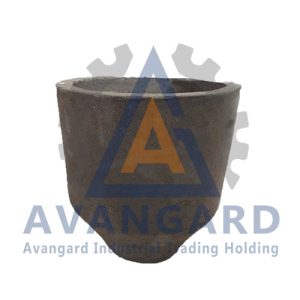
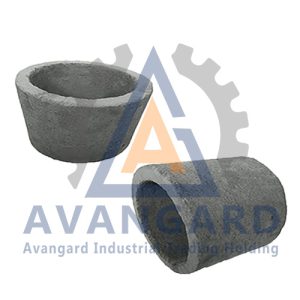
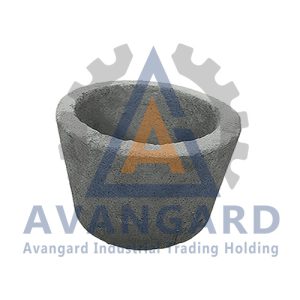
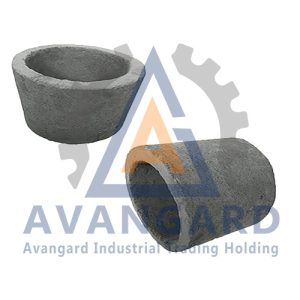
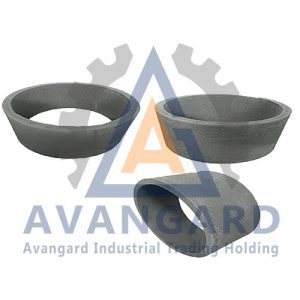
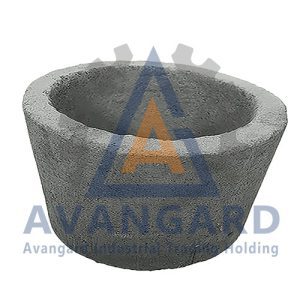
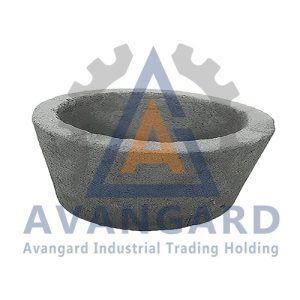
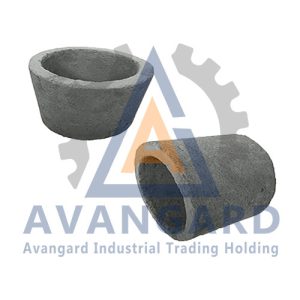
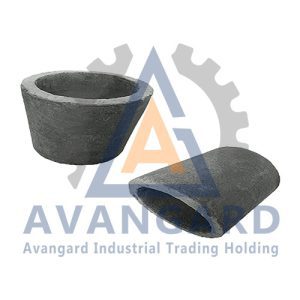
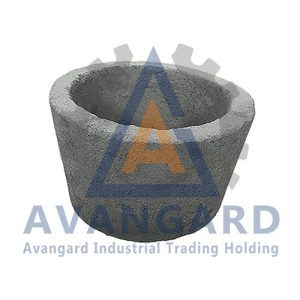

In the casting process of steel and alloy cast irons, precise control of molten metal solidification is of critical importance. One of the main challenges in this process is preventing the formation of shrinkage cavities in the final casting. To address this issue, a component known as an Exothermic & Insulating Sleeve is used, which plays a vital role in controlling the solidification rate and maintaining the quality of the metal structure.
Avangard Industrial Trading Holding, as a specialized supplier of foundry raw materials, offers a wide range of high-quality exothermic and insulating sleeves to meet the needs of the steel and cast iron industries.
What Is an Exothermic & Insulating Sleeve?
An exothermic and insulating sleeve is a cylindrical component made of refractory and heat-generating materials, typically installed on top of the gating system or casting riser. Its primary function is to retain the heat of the molten metal and prevent premature solidification in the feeding zone.
In practice, this sleeve acts as both a thermal barrier and a secondary energy source. By releasing heat during the solidification process, it prevents early closure of the feeding path and ensures a sufficient supply of liquid metal to compensate for casting shrinkage.

Composition and Structure of Exothermic & Insulating Sleeves
Exothermic sleeves are generally manufactured from a combination of insulating materials and exothermic compounds. The insulating materials reduce heat transfer from the molten metal to the surrounding environment, while the exothermic compounds generate additional heat during their reaction, maintaining a higher temperature in the riser area.
Typical raw material composition includes:
- Aluminum or silicon powder (as exothermic agents)
- Refractory materials such as magnesium oxide and silicon oxide
- Organic binders for shaping and structural integrity
- Additives for controlling the thermal reaction rate
This formulation is carefully engineered so that the amount of heat released, reaction duration, and mechanical strength of the sleeve are optimized according to the metal type and specific casting conditions.
Function of Exothermic & Insulating Sleeves in the Casting Process
At the moment molten metal is poured into the mold, the sleeve comes into direct contact with the high-temperature metal and rapidly initiates its exothermic reaction. This reaction generates sufficient heat to prevent premature solidification of the riser.
As a result, the molten metal inside the riser remains in a liquid state for a longer period, allowing it to compensate for shrinkage occurring during the solidification of thicker sections of the casting.
This process leads to the following benefits:
- Prevention of shrinkage cavities and internal porosity
- Increased density and improved mechanical strength
- Enhanced surface quality and dimensional accuracy of the final casting
Types of Exothermic & Insulating Sleeves
Casting sleeves are classified into several categories based on their application and the level of exothermic energy they provide:
| Sleeve Type | Main Characteristic | Typical Application |
| Insulating Sleeve | Reduces heat loss without chemical reaction | Suitable for grey iron and small castings |
| Exothermic Sleeve | Generates heat through a chemical reaction | Used for steel and high-melting-point alloy irons |
| Hybrid Sleeve | Combination of insulating and exothermic properties | Ideal for large castings or complex geometries |
Selecting the appropriate sleeve type depends on several factors, including molten metal temperature, casting volume, alloy type, and solidification time. Foundry engineers determine the optimal sleeve design for each mold through precise heat transfer and solidification calculations.
Advantages of Using Exothermic & Insulating Sleeves in Casting
The use of exothermic and insulating sleeves in casting offers numerous advantages that directly improve product quality and production efficiency. These benefits include:
- Increased feeding efficiency and a significant reduction in casting scrap
- Improved metallurgical quality and elimination of shrinkage defects
- Reduced consumption of molten metal compared to conventional metallic risers
- Lower final casting weight and savings in raw material usage
- Extended mold life and reduced maintenance and repair costs
For these reasons, casting sleeves have become one of the most widely used auxiliary tools in modern foundries.
Role of Avangard in Supplying Industrial Casting Sleeves
Avangard Industrial Trading Holding, relying on its specialized experience in supplying foundry raw materials, provides a wide range of exothermic, insulating, and hybrid sleeves in various sizes and material compositions. These products are suitable for casting alloy steels and alloy cast irons and are manufactured in compliance with international quality standards.
Avangard’s technical team also offers professional consulting services to assist foundries in selecting the most appropriate sleeve type for each application, helping to reduce casting defects and improve the final quality of produced components.
Conclusion
The exothermic insulating sleeve is one of the vital components in precision casting processes and has a direct impact on the quality, mechanical strength, and surface appearance of the final casting. Proper selection of the sleeve type and material can significantly reduce production costs while noticeably increasing yield and efficiency in foundry operations.
By supplying high-quality sleeves suitable for various steel and cast iron molds, Avangard Holding has taken an effective step toward improving casting production processes and has become one of the most reliable sources in the domestic market for foundry raw material supply.
🏢 Avangard Industrial Trading Holding Company – A pioneer in supplying and manufacturing casting parts in the Middle East 🌍 📞 Phone: +98 912 022 8576 🌐 Website: En.Avangardholding.com