 فارسی
فارسی  العربية
  Русский
  Azərbaycan


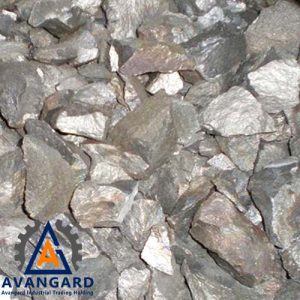
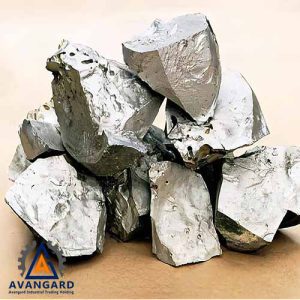
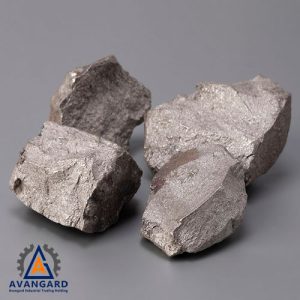
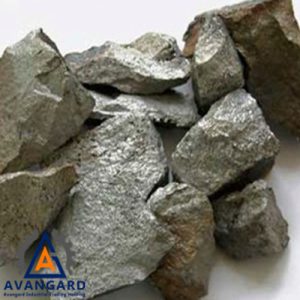
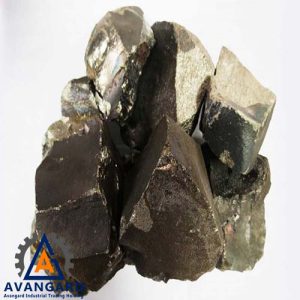
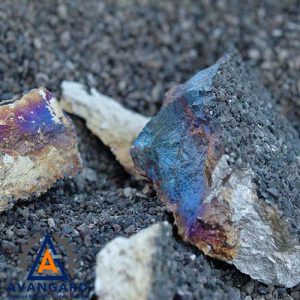
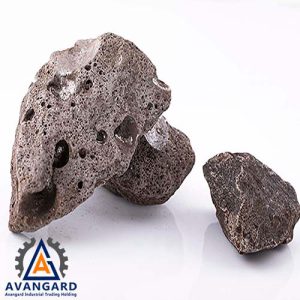
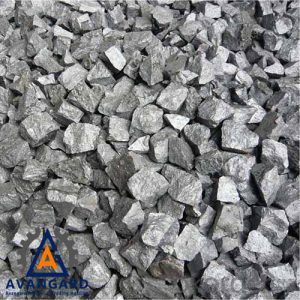
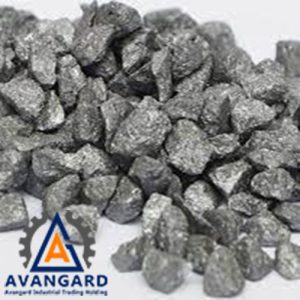


Ferrosilicon (FeSi) is one of the most important ferroalloys used in the steelmaking, foundry, and engineering alloy industries. Produced by combining iron and silicon, this alloy is widely recognized for its excellent deoxidizing capability, making it an essential material for improving the quality of both steel and cast iron. Consequently, ferrosilicon is extensively used by steel mills and foundries as a key component in their metallurgical processes.
In addition to removing dissolved oxygen from molten metal, ferrosilicon contributes to refining the metal’s microstructure, reducing porosity, enhancing mechanical strength, and improving the surface quality of cast components. Proper use of this ferroalloy not only improves the overall quality of finished products but also reduces production costs and increases manufacturing efficiency.
Alongside ferrosilicon, other ferroalloys such as ferromolybdenum (FeMo), high-carbon ferrochrome (HC FeCr), and high-carbon ferromanganese (HC FeMn) play a vital role in the production of alloy steels and wear-resistant cast components. Likewise, when manufacturing specialized alloys such as Hadfield steel (high-manganese steel), selecting the appropriate ferroalloy has a direct impact on the final product’s mechanical properties, durability, and service life.
Chemical Composition of Ferrosilicon
The chemical composition of ferrosilicon varies depending on its grade and intended application. The most commonly used industrial grades contain 65% to 75% silicon (Si), with the remaining balance consisting primarily of iron (Fe).
Impurity elements such as phosphorus (P) and sulfur (S) must be maintained at the lowest possible levels, as excessive amounts of these elements can adversely affect the quality, mechanical performance, and metallurgical integrity of the produced steel or cast iron.
| Element | Approximate Percentage |
| Silicon (Si) | 65–75% |
| Iron (Fe) | Balance |
| Aluminum (Al) | Less than 2% |
| Carbon (C) | Less than 0.2% |
| Phosphorus (P) | Less than 0.04% |
| Sulfur (S) | Less than 0.02% |
The higher the purity of ferrosilicon, the more effective it is in the deoxidation process and the improvement of the mechanical properties of the final product.
Ferrosilicon Production Process
Ferrosilicon is produced in electric arc furnaces (EAFs). The raw materials include silica (quartz), iron ore, and carbonaceous materials such as metallurgical coke, which react at temperatures ranging from approximately 1,800 to 2,000°C.
During this process, the oxygen present in the silica is removed, allowing the released silicon to combine with iron. After cooling, the produced ferrosilicon is crushed, sized, and subjected to quality control before being supplied to various industries.
Furnace temperature control, raw material quality, and melting time are among the most important factors affecting the final quality of ferrosilicon. For this reason, reputable manufacturers utilize advanced production equipment and quality control laboratories to ensure consistent product performance.

Types of Ferrosilicon Grades
This ferroalloy is produced in different grades, each designed for specific industrial applications.
| Grade | Application |
| 65% | Certain foundry processes |
| 72% | Alloy steel production |
| 75% | Steelmaking and cast iron production |
The 75% ferrosilicon grade is the most widely used in the steelmaking and foundry industries. Owing to its higher silicon content, this grade offers superior deoxidizing performance and is more effective in refining the microstructure of molten metal.
Applications of Ferrosilicon
One of the most important applications of this ferroalloy is the deoxidation of molten steel. The presence of oxygen in molten metal can lead to the formation of oxides, porosity, and reduced mechanical strength of the final components. The use of ferrosilicon significantly improves the quality of the finished product.
In the foundry industry, this alloy is also used as an inoculant in the production of gray cast iron and ductile cast iron. This process promotes the formation of a uniform graphite structure, reduces shrinkage, and improves the machinability of cast components.
In the production of alloy steels, ferrosilicon is used alongside ferromolybdenum (FeMo), high-carbon ferrochrome (HC FeCr), and high-carbon ferromanganese (HC FeMn) to enhance properties such as wear resistance, hardness, strength, and high-temperature resistance.
In the mining industry and the manufacturing of crusher wear parts, alloys such as Hadfield steel (high-manganese steel), together with other ferroalloys, play a vital role in producing components with excellent impact and abrasion resistance.
In addition, ferrosilicon is widely used in the production of welding electrodes, refractory products, automotive components, oil and gas equipment, cement industry equipment, and steel manufacturing plants.
Advantages of Using Ferrosilicon
The use of this ferroalloy offers numerous advantages, including:
- Removal of dissolved oxygen from molten metal.
- Improved mechanical strength.
- Reduced porosity and blowholes.
- Enhanced surface quality of cast components.
- Increased wear resistance.
- Improved metal microstructure.
- Higher production efficiency.
- Reduced consumption of other alloying elements.
- Lower production scrap rates.
- Improved overall quality of steel and cast iron.
For these reasons, ferrosilicon is considered one of the most essential raw materials in the metallurgical industry.
Factors Affecting the Price of Ferrosilicon
The price of ferrosilicon depends on several factors. The silicon content, purity level, particle size, quality of raw materials, energy costs, exchange rates, manufacturer’s brand, and order volume are among the most important factors that determine its price.
When purchasing ferrosilicon, price should not be the only consideration. Greater importance should be given to the chemical analysis, impurity levels, and the reliability of the manufacturer, as these factors have a greater impact on product quality than minor price differences.
Important Considerations When Purchasing Ferrosilicon
To select the right ferrosilicon, it is recommended to evaluate the following factors:
- Actual silicon (Si) content.
- Certified chemical analysis.
- Phosphorus and sulfur content.
- Uniform particle size distribution.
- Packaging quality.
- Quality control certificate.
- Supplier’s experience and reputation.
- Technical consultation and support services.
Purchasing ferrosilicon from a reputable supplier ensures that you receive a product that meets industrial standards and helps prevent potential issues during the manufacturing process.

Comparison with Other Ferroalloys
Each ferroalloy performs a specific function in the steelmaking process. Ferrosilicon is primarily used for deoxidation, whereas ferromolybdenum (FeMo) increases high-temperature strength, high-carbon ferrochrome (HC FeCr) improves wear resistance, and high-carbon ferromanganese (HC FeMn) enhances hardness while helping to remove sulfur from molten metal.
In addition, ferroalloys such as ferrovanadium (FeV), ferrotitanium (FeTi), ferrophosphorus (FeP), and ferrosilicomanganese (FeSiMn) are used to achieve specific mechanical and metallurgical properties in steel.
Conclusion
Ferrosilicon is one of the most important raw materials used in the steelmaking and foundry industries, playing a vital role in improving the quality of steel, cast iron, and other engineering alloys. Selecting the appropriate grade, reviewing the chemical analysis, and purchasing from reputable suppliers have a direct impact on the quality of the final product while helping to reduce production costs.
In addition to ferrosilicon, the proper use of ferroalloys such as ferromolybdenum (FeMo), high-carbon ferrochrome (HC FeCr), high-carbon ferromanganese (HC FeMn), and engineering materials such as Hadfield steel enables the production of components with greater strength, superior wear resistance, and a longer service life.
If you are looking for a reliable supplier of high-quality ferroalloys and professional technical consultation, Avangard is a trusted partner for the steelmaking and foundry industries. By offering premium-quality products that comply with international standards and are tailored to the specific requirements of industrial applications, Avangard provides dependable solutions for manufacturers and foundries seeking consistent quality and performance.
🏢 Avangard Industrial Trading Holding Company – A pioneer in supplying and manufacturing casting parts in the Middle East 🌍
📞 Phone: +98 912 022 8576
🌐 Website: En.Avangardholding.com


