 فارسی
فارسی  العربية
  Русский
  Azərbaycan

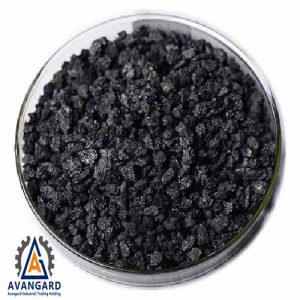
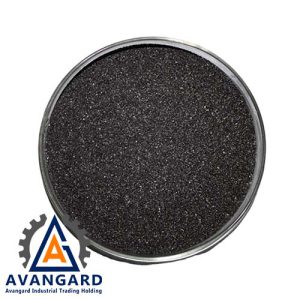
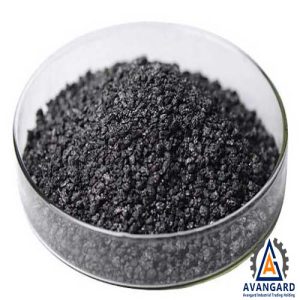


Graphite pigment is one of the most critical mineral pigments used in industrial coating systems, refractory paints, and anti-corrosion formulations. Owing to its layered carbon structure and high electrical conductivity, graphite holds a distinctive position in the formulation of advanced technical coatings.
Processed from either natural or synthetic graphite, this material is widely utilized in the production of heat-resistant coatings)Foundry Coating(, conductive paints, and wear-resistant protective layers. The lamellar morphology of flake graphite creates a compact, overlapping barrier within the coating matrix, effectively restricting the penetration of moisture and oxygen. This barrier mechanism significantly enhances anti-corrosion performance and extends the service life of coated components.
In Foundry Coating, steelmaking facilities, and heavy industrial environments, graphite-based coatings are extensively applied as protective layers for cast components, molds, and high-temperature equipment. Their use contributes to improved durability of cast parts, reduced oxidation, and lower maintenance costs in demanding operating conditions.
Key parameters influencing the quality and commercial value of graphite pigment include:
- Particle Size Distribution (PSD)
- Fixed Carbon Content
- Ash Content
- Morphology and purity level
Careful control of these factors ensures optimal dispersion, coating integrity, and long-term performance in industrial applications.
For manufacturers operating in the casting, mining, and heavy machinery sectors, selecting a reliable and technically capable supplier of industrial graphite pigment is crucial. Consistent material quality directly impacts coating efficiency, production reliability, and overall cost-effectiveness in high-performance industrial environments.
If you would like, I can now refine this translation further to make it even more SEO-optimized for international markets (keywords such as mining industry, crusher parts, foundry coatings, alloy steel casting, wear-resistant components, etc.) to align perfectly with Avangard Holding’s industrial positioning.

The Role of Graphite Pigment in Anti-Corrosion and Heat-Resistant Coatings
Graphite pigment, as an advanced mineral filler, delivers a dual-function performance in industrial coating formulations. It acts both as a structural reinforcement within the coating matrix and as an effective barrier against the penetration of corrosive agents.
The lamellar (flake-like) structure of graphite creates an extended and tortuous diffusion path for moisture, oxygen, and aggressive ions. This structural barrier mechanism significantly enhances corrosion resistance by limiting direct contact between the substrate and corrosive environments.
In industries such as oil & gas, petrochemicals, steelmaking, and foundry operations, graphite-containing coatings are widely applied to surfaces exposed to elevated temperatures. These high-temperature coatings maintain structural integrity under thermal stress while providing oxidation protection and long-term durability in severe industrial conditions.
Key Advantages of Graphite-Based Coatings
- Increased thermal stability
- Improved adhesion strength to metallic substrates
- Reduction of metal oxidation
- Enhanced industrial durability
- Lower maintenance and repair costs
The use of high-quality graphite pigment in industrial coating production leads to optimized performance, improved service life of equipment, and reduced total project costs—particularly in heavy-duty sectors such as mining, casting, and industrial machinery manufacturing.
If you would like, I can further align the next section more directly with Avangard Holding’s core expertise in alloy casting, crusher parts, and industrial wear components to strengthen international SEO positioning.
Technical Specifications and Quality Parameters of Graphite Pigment
The quality of graphite pigment is determined by several critical technical parameters that directly influence the final performance of industrial coatings. Key evaluation criteria include Fixed Carbon Content, Particle Size Distribution (PSD), Specific Surface Area, and impurity levels.
High-purity graphite enhances electrical conductivity, improves dispersion within the binder system, and contributes to coating uniformity and structural integrity.
Key Technical Parameters
- Fixed Carbon Content above 85%
- Low Ash Content
- Uniform Particle Size Distribution
- مناسب Bulk Density
- High Chemical Stability
A higher fixed carbon percentage directly improves conductivity and thermal resistance, while low ash content minimizes contamination and enhances coating reliability—particularly in high-temperature and corrosion-sensitive environments.
In the production of conductive paints and anti-static coatings, precise control of these technical specifications is essential. Variations in particle morphology or impurity levels can significantly affect electrical performance, adhesion, and long-term durability.
For manufacturers in casting, mining equipment, and heavy industrial sectors, laboratory analysis and material certification prior to procurement are strongly recommended. Proper quality verification of graphite pigment prevents production inconsistencies, reduces operational risks, and ensures optimal performance in demanding industrial applications.

Pricing, Procurement, and Supply of Graphite Pigment in the Industrial Raw Materials Market
The price of graphite pigment depends on several technical and commercial factors, including material purity, graphite type (natural or synthetic), processing level, particle grading, and global market conditions. Variations in fixed carbon content, ash percentage, and particle morphology directly influence both performance and market value.
In large-scale industrial projects, selecting a reliable and technically qualified supplier has a direct impact on coating performance, production consistency, and overall operational efficiency.
Key Considerations When Purchasing Graphite Pigment
- Review the Technical Data Sheet (TDS) and laboratory analysis reports
- Ensure full compliance between material specifications and intended industrial application
- Obtain specialized technical consultation prior to order placement
- Compare pricing based on quality parameters—not only on unit cost
- Select appropriate packaging for safe transportation and storage
For manufacturers operating in sectors such as steel production, foundry operations, petrochemicals, and mining equipment manufacturing, stable and consistent raw material supply is essential. Market demand for industrial graphite pigment continues to grow alongside the expansion of heavy industries and advanced coating technologies.
A strategic sourcing approach—focused on technical validation, supplier reliability, and long-term supply stability—ensures optimal production performance and minimizes risk in industrial coating applications.
Comparison Table of Graphite Types Used in the Coatings Industry
| Graphite Type | Carbon Content | Primary Application | Key Characteristic |
| Flake Graphite | 85–95% | Anti-corrosion coatings | Lamellar (flake) structure |
| Amorphous Graphite | 70–85% | General-purpose coatings | Cost-effective solution |
| Synthetic Graphite | 95–99% | Conductive paints | High purity and conductivity |
| Micronized Graphite | Variable | Precision industrial coatings | Uniform particle size distribution |
Conclusion
Graphite pigment, as an advanced mineral material, plays a critical role in the production of heat-resistant, anti-corrosion, and conductive industrial coatings. Its unique lamellar carbon structure, high thermal stability, and electrical conductivity make it an essential component in demanding industrial environments such as foundries, steel plants, petrochemical facilities, and mining operations.
Selecting the appropriate graphite grade—based on precise technical specifications and verified laboratory analysis—has a direct impact on coating performance, durability, and overall production quality. During the procurement and supply process, careful consideration must be given to pricing, purity level, graphite type (natural or synthetic), and the specific industrial application requirements.
Avangard Holding, with its specialized expertise in supplying industrial raw materials, alloy casting, and mining equipment components, is fully prepared to provide technical consultation, production, and reliable supply of high-quality graphite pigment at competitive prices.
With a strong technical background and deep industry knowledge, Avangard Holding stands ready to be your trusted partner in advancing industrial performance, optimizing coating systems, and supporting sustainable industrial development.
🏢 Avangard Industrial Trading Holding Company – A pioneer in supplying and manufacturing casting parts in the Middle East 🌍 📞 Phone: +98 912 022 8576 🌐 Website: En.Avangardholding.com


