 فارسی
فارسی  العربية
  Русский
  Azərbaycan
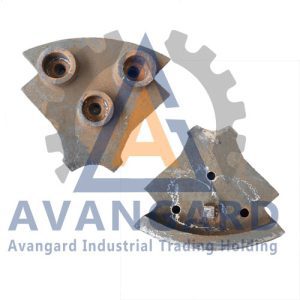
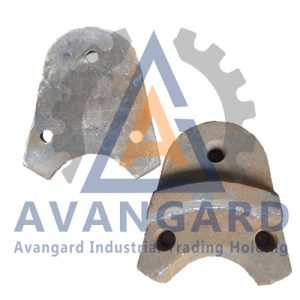
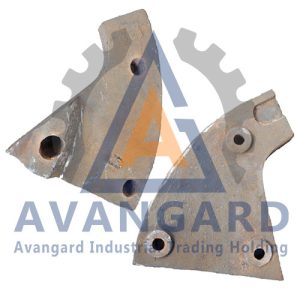
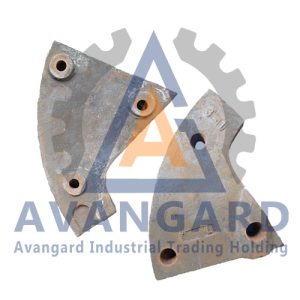
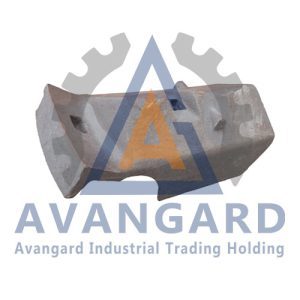
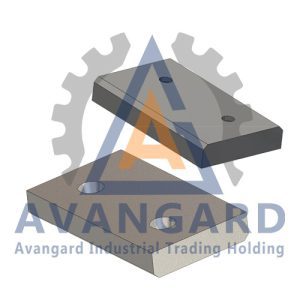
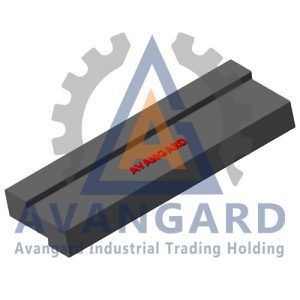
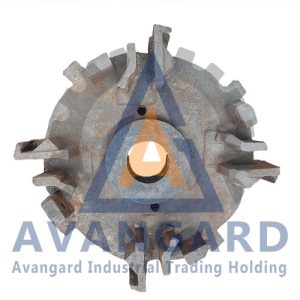


The base metals industry and molten metal forming processes in Iraq have entered a new phase of reconstruction and industrial development over the past decade. The expansion of construction projects, development of oil and gas Industry, establishment of new power plants, and increased mining activities have significantly raised the demand for heavy and semi-heavy metal components. After years of stagnation, many of the country’s manufacturing infrastructures are now undergoing modernization, creating valuable opportunities for regional industrial cooperation.
Under such conditions, countries possessing advanced technical expertise in casting processes, alloy composition control, and quality assurance can play a strategic role in meeting Iraq’s growing industrial demands. The geographical proximity between Iran and Iraq, reduced logistics costs, and strong cultural and commercial ties have created a favorable platform for sustainable industrial partnerships.
Status of Metal Parts Manufacturing Infrastructure in Iraq
A considerable portion of Iraq’s manufacturing workshops still operate using conventional and outdated technologies. Modern induction furnaces and spectrometer analysis systems are not widely available across all production facilities, which directly affects the final quality and metallurgical consistency of manufactured components.
In major oil, gas, and power generation projects, Iraqi employers increasingly require components manufactured according to international standards such as ASTM and DIN. This trend has intensified the need for advanced equipment, precise metallurgical control, and upgraded engineering expertise within the country’s industrial sector.
At the same time, many factories operating in the cement industry, mining sector, and heavy machinery field require wear-resistant and high-temperature-resistant components. This specialized industrial demand has created significant opportunities for companies experienced in manufacturing engineered alloys and precision industrial castings.
Analysis of Industrial Cooperation Opportunities Between Iran and Iraq
Iranian companies with extensive experience in the production of industrial metal components, Mold Design and Manufacturing , and reverse engineering can establish strategic cooperation with Iraq across several key sectors, including:
- Transfer of technical knowledge and establishment of joint production lines
- Supplying industrial components required for major infrastructure projects
- Training specialized personnel in quality control and metallurgical analysis
- Providing consultancy services for energy optimization in industrial furnaces
- Design and implementation of modern production management systems
Such collaborations can not only strengthen bilateral trade relations but also contribute significantly to technological advancement and industrial development throughout the region.

Comparative Table of Iraq’s Industrial Capacities and Development Needs
| Industrial Sector | Current Status | Development Requirements | Regional Cooperation Potential |
| Oil & Gas Industries | Rapidly expanding | Corrosion-resistant components | Transfer of advanced alloy technologies |
| Power Plants | New projects under development | Heat-resistant industrial parts | Joint production of heavy-duty components |
| Mining & Cement Industries | Extensive operational activities | Wear-resistant components | Stable supply chain and technical support |
| Traditional Workshops | Outdated technologies | Equipment modernization | Investment and technical partnership |
Existing Challenges in the Iraqi Market
Despite the significant industrial potential in Iraq, several challenges still exist within the market environment, including:
- Fluctuations in customs and import regulations
- Limitations in power supply and energy infrastructure
- Shortage of skilled technical personnel in certain regions
- The need for process standardization and production documentation
Managing these challenges requires precise strategic planning, a strong understanding of local regulations, and the establishment of reliable business networks within the target market.
The Role of Technology in Improving Production Quality
The use of advanced technologies such as solidification simulation software, thermal stress analysis, and online temperature monitoring systems can significantly improve the quality and reliability of manufactured cast components.
In addition, applying Non-Destructive Testing (NDT) methods such as ultrasonic testing and magnetic particle inspection is essential for sensitive oil, gas, and power plant projects where component integrity and operational safety are critical.
Manufacturing facilities capable of documenting production processes according to international standards and providing full traceability from raw casting materials to the final product will have greater opportunities for long-term participation in major industrial and infrastructure projects.
Recommended Strategies for Successful Market Presence in Iraq
- Establishing a local office or representative to facilitate direct communication with employers and industrial clients
- Participating in industrial exhibitions in Baghdad and Basra to strengthen market visibility and business networking
- Providing technical catalogs in both Arabic and English to improve communication with regional customers and contractors
- Guaranteeing after-sales services and technical support to increase customer confidence and long-term cooperation
- Signing long-term contracts for the supply of casting parts and industrial components to ensure sustainable business growth and market stability
Final Conclusion
The ongoing economic and industrial transformation in Iraq has positioned the country as one of the emerging regional markets in the field of metal component manufacturing and industrial equipment, including crusher parts and crushing machinery. The expansion of infrastructure projects, growth of the energy sector, and the urgent need to modernize outdated industrial workshops have created substantial opportunities for technically capable and professionally managed companies such as Avangard.
Achieving success in this market requires strict compliance with international standards, consistent product quality, accurate understanding of customer requirements, and long-term strategic planning. Companies capable of offering a combination of advanced technical expertise, competitive pricing, and professional technical support will be well positioned to establish a strong presence in this strategic and rapidly developing market.
🏢 Avangard Industrial Trading Holding Company – A pioneer in supplying and manufacturing casting parts in the Middle East 🌍 📞 Phone: +98 912 022 8576 🌐 Website: En.Avangardholding.com


