 فارسی
فارسی  العربية
  Русский
  Azərbaycan

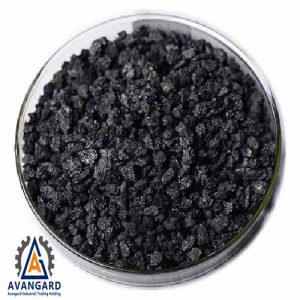
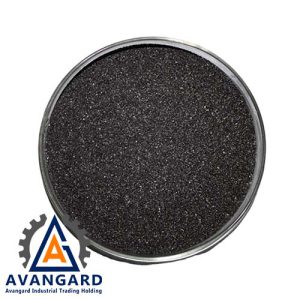
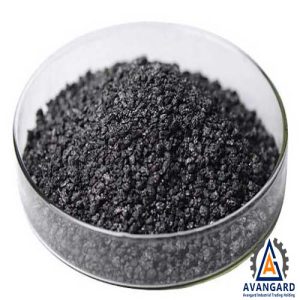


Engineered graphite is a type of specially designed graphite produced and processed for use in industrial, architectural, artistic, and advanced technological applications. This material is based on a hexagonal carbon crystal structure and, due to its characteristics—such as high electrical conductivity, exceptional thermal resistance, low friction coefficient, and excellent chemical stability—it finds applications across a wide range of industries.
Unlike natural raw graphite, engineered graphite typically undergoes purification processes, precision machining, and microstructure engineering to tailor its technical properties to specific project requirements. From manufacturing heat-resistant cast components to electronic devices, industrial molds, wear-resistant parts, and even decorative industrial applications, this material holds a unique and valuable position.
In today’s market, the price of engineered graphite depends on factors such as carbon purity, density, processing type, and component dimensions. Choosing a reputable supplier plays a crucial role in ensuring the final product’s quality.

Key Properties of Engineered Graphite
Thanks to its unique layered structure, engineered graphite offers a combination of strength, lightness, and thermal performance. The material remains chemically stable even under high-temperature conditions, making it suitable for use in sensitive and demanding industrial applications.
Main features of engineered graphite include:
- High thermal shock resistance – withstands rapid temperature changes without structural damage
- Excellent thermal conductivity – efficiently transfers heat
- Easy and precise machinability – allows for custom shaping and fine tolerances
- Chemical stability – resistant to corrosion and chemical attack
- Low specific weight compared to metals
These characteristics make engineered graphite widely used in the production of industrial components, furnace equipment, heat plates, and precision-engineered parts. Moreover, in custom manufacturing projects, its high machinability makes it particularly valuable for tailored solutions.
Industrial and Engineering Applications of Engineered Graphite
Engineered graphite finds use across a wide range of industries and is recognized as an advanced material in modern technology. Its key applications include:
- Manufacturing industrial electrodes
- Production of heat-resistant molds
- Components for industrial furnaces
- Electronics and semiconductor industry
- Wear-resistant equipment
In the energy and petrochemical sectors, engineered graphite components are also used due to their high resistance to corrosive substances. Additionally, for the production of specialized parts that require high-temperature tolerance and controlled thermal conductivity, engineered graphite has become a reliable alternative to many metals.
Factors Affecting the Price, Purchase, and Sale of Engineered Graphite
The price of engineered graphite depends on technical parameters and global market conditions. The most important influencing factors include:
- Carbon purity – the percentage of pure carbon in the material
- Bulk density – overall material density
- Type of graphite – natural or synthetic
- Dimensions and customization – size and tailored specifications of the component
- Manufacturing process and machining – production methods and precision shaping
When purchasing engineered graphite, reviewing technical analysis, quality certificates, and precise product specifications is crucial. Selecting a reputable supplier helps reduce production costs and extends the lifespan of components.
Avangard Holding, with extensive experience in supplying industrial raw materials, is ready to provide expert consultation in the sale, production, and manufacturing of graphite components, offering the highest quality at competitive prices.
Comparison Table of Graphite Types Used in Industrial Design
| Graphite Type | Purity (%) | Main Application | Key Feature |
| Natural Graphite | 70–95 | General applications | Cost-effective |
| Synthetic Graphite | 95–99 | Electronics industry | High purity |
| Isostatic Graphite | >99 | Precision engineering components | Uniform structure |
| Molded Graphite | Variable | Heat-resistant molds | High thermal resistance |
Conclusion
Engineered graphite, as an advanced engineering material, holds a prominent position across various industries. Thanks to its outstanding thermal, mechanical, and chemical properties, it is widely used in the production of industrial components and heat-resistant equipment. Selecting the right type of graphite during the manufacturing process directly impacts the final product quality and helps reduce production costs.
In today’s market, purchasing and selling engineered graphite requires careful evaluation of technical specifications and current pricing trends. Avangard Holding, leveraging its technical expertise and industrial experience, is fully prepared to supply engineered graphite and provide specialized consultation for the production, manufacturing, and sale of graphite components for industrial projects.
🏢 Avangard Industrial Trading Holding Company – A pioneer in supplying and manufacturing casting parts in the Middle East 🌍 📞 Phone: +98 912 022 8576 🌐 Website: En.Avangardholding.com


