فارسی
فارسی  العربية
  Русский
  Azərbaycan

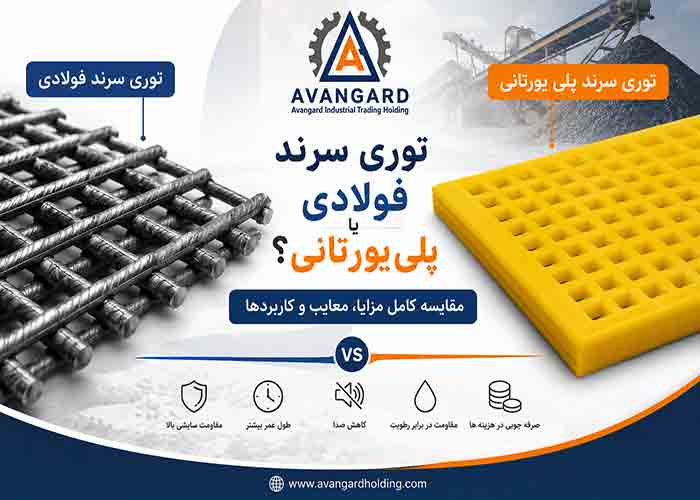
Steel or polyurethane screen mesh is one of the most important considerations when selecting equipment for crushing and screening plants. The type of screen media directly affects production efficiency, extends the service life of crusher parts, reduces maintenance and replacement costs, and improves the overall performance of screening equipment. In addition, the use of premium foundry raw materials—such as ferrochrome, ferromanganese, and low-sulfur graphite—in the manufacturing of wear-resistant cast components significantly enhances equipment durability and operational reliability.
For this reason, understanding the differences between steel screen mesh and polyurethane screen media enables mine operators, plant managers, and maintenance engineers to select the most suitable solution based on their specific operating conditions.
In mining operations, aggregate production plants, metal mines, and mineral processing facilities, the selection of the appropriate screen media should be based on several factors, including the type of processed material, abrasion level, moisture content, production capacity, and operating environment. Therefore, a detailed comparison of the characteristics of each type of screening media is essential for maximizing productivity and minimizing downtime.
What Is Steel Screen Mesh?
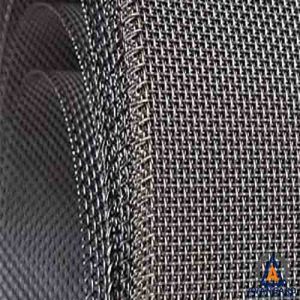
Steel screen mesh is manufactured from high-strength steel wires designed to withstand demanding mechanical loads. It is one of the most widely used screening media in crushing and aggregate processing plants, offering excellent performance in the classification of aggregates, minerals, crushed stone, and construction materials while maintaining high resistance to heavy impact.
In many mining operations, steel screen mesh remains the preferred choice due to its exceptional structural strength, high load-bearing capacity, cost-effectiveness, and long-standing reliability. It is particularly suitable for high-capacity processing plants where consistent throughput and mechanical durability are essential.
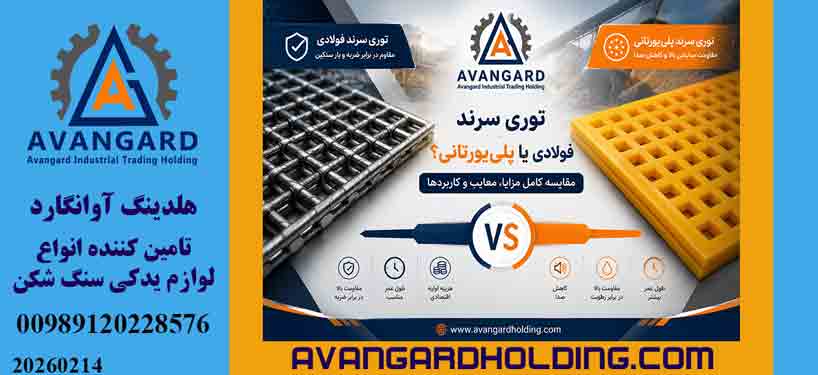
Advantages of Steel Screen Mesh
The primary benefits of steel screen mesh include:
- High resistance to heavy impact loads
- Excellent load-bearing capacity in crushing and screening operations
- Competitive initial investment cost
- Relatively simple installation and replacement
- Wide range of aperture sizes and wire diameters
- Ideal for coarse and highly abrasive mineral materials
The quality of the steel used in manufacturing is equally important. Selecting appropriate wear-resistant alloys during the casting process significantly improves the service life of industrial components. Consequently, leading manufacturers often utilize materials such as high-chrome cast iron and wear-resistant alloy steels for other crusher wear parts, ensuring greater durability and reduced maintenance requirements throughout the crushing circuit.
What Is Polyurethane Screen Mesh?
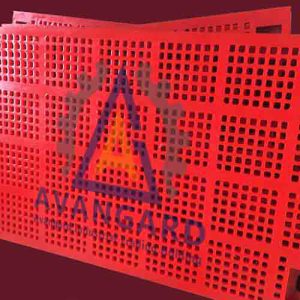
Polyurethane screen mesh, also known as polyurethane screen media, is manufactured from high-performance engineering polymers with outstanding abrasion resistance. Over the past decade, it has become an increasingly popular solution in the mining and mineral processing industries due to its excellent wear characteristics and operational advantages.
Its flexibility, superior corrosion resistance, and noise reduction capabilities are among its most significant benefits. Compared with conventional steel screens, polyurethane screen media provides quieter operation while maintaining high screening efficiency under challenging conditions.
This type of screen media is particularly suitable for applications involving wet or sticky materials where screen blinding and pegging are common issues. The inherent elasticity of polyurethane allows the screen openings to flex during operation, helping material pass more freely through the apertures and improving overall screening efficiency while reducing maintenance interruptions.
Advantages of Polyurethane Screen Mesh
The key advantages of polyurethane screen mesh include:
- Exceptional resistance to abrasive wear
- Reduced operating noise during screening
- Excellent resistance to moisture, corrosion, and chemical exposure
- Lower risk of screen blinding and material buildup
- Lighter weight compared to steel screen mesh
- Longer service life in many mining and aggregate processing applications
It is also important to recognize that the overall performance of screen media depends not only on the screen itself but also on the quality of the equipment throughout the crushing circuit. For example, manufacturing wear-resistant crusher components using premium foundry raw materials—including ferrochrome, ferromanganese, and low-sulfur graphite—can significantly extend equipment service life, improve wear resistance, and reduce overall maintenance costs.
Comparison Table: Steel Screen Mesh vs. Polyurethane Screen Mesh
| Feature | Steel Screen Mesh | Polyurethane Screen Mesh |
| Impact Resistance | Excellent | High |
| Abrasion Resistance | High | Excellent |
| Moisture & Corrosion Resistance | Moderate | Excellent |
| Operating Noise | Higher | Lower |
| Weight | Heavier | Lighter |
| Risk of Screen Blinding | Higher | Lower |
| Initial Cost | More Economical | Higher |
| Service Life in Highly Abrasive Conditions | Good | Excellent |
When Is Steel Screen Mesh the Better Choice?
Steel screen mesh is the preferred option when high production capacity is required, large rocks generate significant impact loads, and minimizing the initial investment is a higher priority than maximizing service life.
It is also well suited for crushing and screening plants processing dry materials, where the likelihood of screen blinding is minimal. Under these operating conditions, steel screen mesh provides reliable performance, excellent mechanical strength, and cost-effective operation.
When Is Polyurethane Screen Mesh the Better Choice?
Polyurethane screen mesh is generally the better solution when processing wet, sticky, or moisture-rich materials. Its flexible structure reduces the likelihood of screen blinding and pegging, allowing material to pass through the apertures more efficiently and improving overall screening performance.
It is also an excellent choice for mining operations with extremely abrasive materials, where unplanned downtime and frequent screen replacements can significantly increase operating costs. Although polyurethane screen media typically has a higher initial purchase price, its extended service life and reduced maintenance requirements often result in a lower total cost of ownership over the long term.
Key Factors to Consider When Selecting Screen Mesh
Choosing the right screen media involves much more than selecting the material. To achieve maximum screening efficiency and long-term reliability, the following factors should be carefully evaluated:
- Type and hardness of the processed mineral
- Crushing and screening plant capacity
- Moisture content of the material
- Required aperture size
- Level of abrasion and impact loading
- Maintenance and repair costs
- Production downtime associated with screen replacement
Evaluating these factors alongside the selection of high-quality crusher wear parts manufactured from premium foundry raw materials—including ferrochrome, ferromanganese, ferrosilicon, and low-sulfur graphite—can significantly improve plant productivity, extend equipment service life, and reduce overall operating costs.
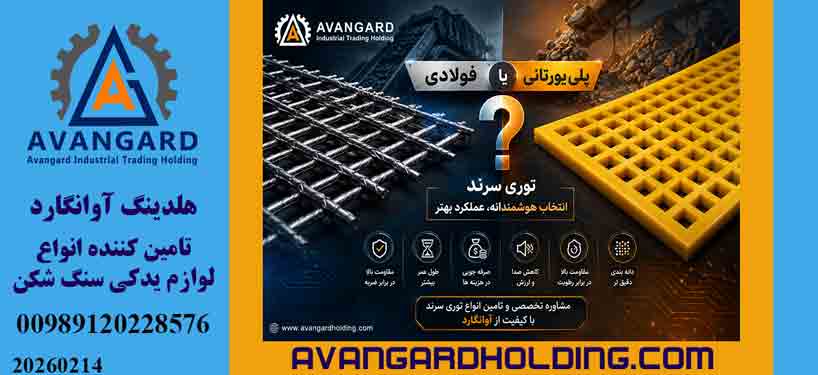
Can Steel and Polyurethane Screen Mesh Be Used Together?
Yes. In many modern crushing and screening plants, steel and polyurethane screen media are used in combination to optimize performance across different screening stages.
For example, the upper decks, where larger feed material and higher impact forces are encountered, are typically equipped with steel screen mesh to maximize structural strength and impact resistance. In contrast, the lower decks—where screening accuracy is more critical or wet materials are processed—often utilize polyurethane screen media because of its superior wear resistance, flexibility, and reduced tendency to blind.
By combining both types of screen media, operators can achieve higher screening efficiency, longer component service life, and lower maintenance costs while optimizing the overall performance of the processing plant.
Conclusion
Choosing between steel screen mesh and polyurethane screen mesh depends on several operating factors, including the type of processed material, production capacity, wear conditions, and the overall requirements of the crushing and screening plant.
If your priority is high impact resistance, strong load-bearing capacity, and lower initial investment, steel screen mesh is generally the most suitable option. On the other hand, if your goal is to minimize wear, reduce operating noise, improve performance in wet conditions, and maximize service life, polyurethane screen media offers significant long-term advantages despite its higher upfront cost.
Selecting the right screen media is only one part of building a reliable and efficient processing plant. High-quality crusher wear parts, precision casting, and premium foundry raw materials all contribute to improving equipment performance, reducing downtime, and lowering total operating costs.
If you need expert guidance in selecting the most suitable screen mesh, crusher wear parts, or foundry solutions for your operation, Avangard Industrial & Trading Holding is ready to assist. Backed by extensive experience in manufacturing and supplying crusher components, mining equipment, wear-resistant castings, reverse engineering, and foundry raw materials, our technical specialists evaluate your plant’s operating conditions and recommend the most efficient and cost-effective solution for maximizing productivity and minimizing maintenance costs.
🏢 Avangard Industrial Trading Holding Company – A pioneer in supplying and manufacturing casting parts in the Middle East 🌍 📞 Phone: +98 912 022 8576 🌐 Website: En.Avangardholding.com