 فارسی
فارسی  العربية
  Русский
  Azərbaycan


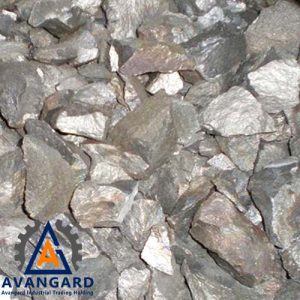
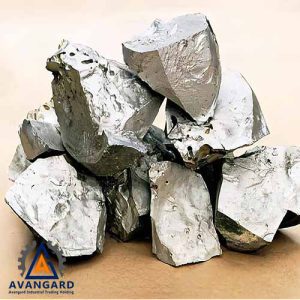
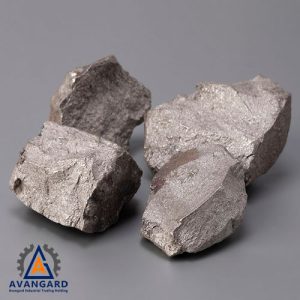
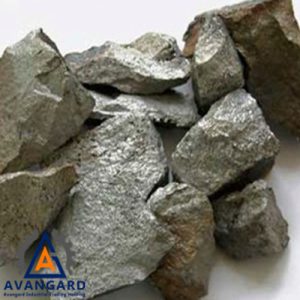
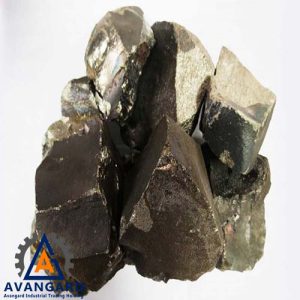
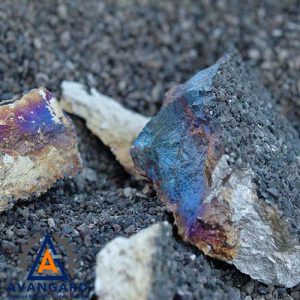
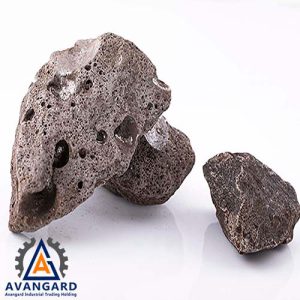
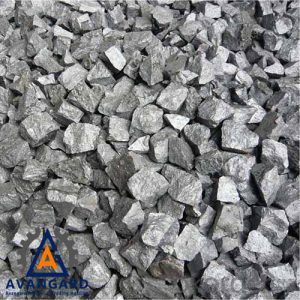
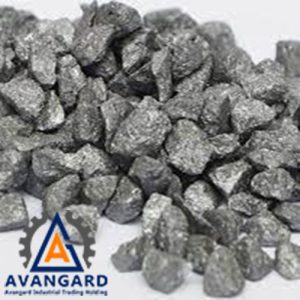


Ferro molybdenum is one of the most important ferroalloys used in the steelmaking and foundry industries. Due to its molybdenum content, it plays a key role in improving the mechanical and chemical properties of metal alloys. This ferroalloy is widely used in the production of alloy steels, stainless steels, and wear-resistant steels such as Hadfield steel, helping to enhance strength, impact resistance, and the performance of components under severe working conditions.
Today, with the growth of industries such as oil and gas, petrochemicals, automotive manufacturing, power plants, and industrial equipment production, the demand for ferro molybdenum has significantly increased. This is mainly due to the remarkable effect of molybdenum in improving strength, hardness, corrosion resistance, and high-temperature performance. In this article, we will examine the specifications, applications, advantages, and characteristics of ferro molybdenum.
What is Ferro Molybdenum?
Ferro molybdenum, also known as Ferro Molybdenum (FeMo), is a ferroalloy composed of iron and molybdenum. The molybdenum content in this alloy typically ranges from 60% to 75%, while the proportion of accompanying elements may vary depending on the application and production standards.
This ferroalloy is recognized as one of the primary sources of molybdenum in the steelmaking industry. Due to its unique properties, molybdenum increases the strength of steel at high temperatures and improves its resistance to wear and corrosion.
Technical Specifications of Ferro Molybdenum
The technical specifications of ferro molybdenum may vary depending on production standards and the requirements of different industries. However, the key characteristics of this ferroalloy are as follows:
Chemical Composition of Ferro Molybdenum
- Molybdenum (Mo): 60–75%
- Iron (Fe): Balance
- Carbon (C): Max 0.15%
- Silicon (Si): Max 1.5%
- Phosphorus (P): Max 0.05%
- Sulfur (S): Max 0.08%
- Copper (Cu): Trace amounts
Physical Appearance
- Gray to silvery color
- Dense and brittle structure
- Supplied in lump or granulated form
- Good solubility in molten steel
Physical Properties
- High melting point
- Good thermal resistance
- Relatively high density
- Excellent chemical stability
Technical Specification Table of Ferro Molybdenum
| Item | Specification |
| Product Name | Ferro Molybdenum (Ferro Molybdenum) |
| Chemical Symbol | FeMo |
| Molybdenum (Mo) Content | 60 to 75% |
| Carbon (C) Content | Max 0.15% |
| Silicon (Si) Content | Max 1.5% |
| Phosphorus (P) Content | Max 0.05% |
| Sulfur (S) Content | Max 0.08% |
| Form | Lump and granulated |
| Appearance Color | Gray to silvery |
| Main Application | Production of alloy and stainless steels |
| End-Use Industries | Steelmaking, foundry, oil & gas, petrochemical, and power generation industries |
Ferro Molybdenum Production Process
The production of ferro molybdenum is typically carried out through the reduction of molybdenum oxide. In this process, molybdenum oxide is reacted with reducing agents in the presence of iron under controlled conditions to produce the final ferroalloy.
Ferro Molybdenum Production Steps
1. Raw Material Preparation
In this stage, molybdenum oxide, iron, and reducing agents are prepared in specific proportions.
2. Reduction Reaction
The reduction process is carried out in special furnaces at high temperatures. This reaction removes oxygen and leads to the formation of ferro molybdenum alloy.
3. Separation and Cooling
After the reaction is completed, the produced material is cooled and prepared for the next stages.
4. Crushing and Sizing
The produced ferro molybdenum is crushed into different sizes and packaged according to customer requirements.

Applications of Ferro Molybdenum
Ferro molybdenum has a wide range of applications across various industries and is considered one of the most important ferroalloys used in engineering steel production.
- Production of Alloy Steels The primary application of ferro molybdenum is in the production of alloy steels. Molybdenum increases strength, hardness, and creep resistance in these steels.
- Production of Stainless Steels In stainless steels, molybdenum improves corrosion resistance and prevents metal degradation in acidic and corrosive environments.
- Oil and Gas Industry Equipment used in the oil and gas industry is typically exposed to harsh environmental conditions. The use of molybdenum-containing steels significantly extends the service life of this equipment.
- Petrochemical Industry Reactors, pressure vessels, and chemical pipelines require high resistance to corrosion. Therefore, ferro molybdenum plays an important role in the production of such equipment.
- Power Generation Industry In power plants, components are exposed to high temperatures and pressures. The addition of molybdenum to steel improves the performance of these parts under such conditions.
- Automotive Industry Molybdenum-containing steels are used in the production of components such as crankshafts, gears, chassis, and other high-stress parts.
Advantages of Using Ferro Molybdenum
The use of ferro molybdenum offers several important benefits for steel producers and various industrial sectors.
- Increased Mechanical Strength Molybdenum enhances the tensile strength and overall mechanical resistance of steel.
- Improved Corrosion Resistance One of the key advantages of ferro molybdenum is its ability to improve steel resistance against corrosive environments.
- Enhanced Thermal Resistance Molybdenum-containing steels retain their properties more effectively at high temperatures.
- Improved Wear Resistance The use of ferro molybdenum increases the resistance of components to wear and friction.
- Extended Equipment Lifespan Improved mechanical and chemical resistance reduces wear and significantly extends the service life of industrial equipment.
Effect of Molybdenum on Steel Properties
Molybdenum is an important alloying element in the steel industry. By modifying the microstructure of steel, it significantly improves a range of its properties.
The most important effects of molybdenum on steel include:
- Increased hardenability
- Increased yield strength
- Improved creep resistance
- Enhanced heat resistance
- Improved corrosion resistance
- Better crack resistance
- Increased wear resistance
Effect of Ferro Molybdenum on Steel Properties
| Steel Property | Effect of Ferro Molybdenum |
| Tensile strength | Increased |
| Corrosion resistance | Increased |
| Heat resistance | Increased |
| Wear resistance | Increased |
| Hardenability | Improved |
| Creep resistance | Improved |
| Service life of components | Increased |
| Performance in corrosive environments | Significant improvement |
Types of Ferro Molybdenum
Ferro molybdenum is produced in different grades based on its molybdenum content and impurity levels.
- 60% Ferro Molybdenum This grade is one of the most commonly used in steelmaking industries.
- 65% Ferro Molybdenum It offers a balanced combination of cost and performance and is widely used in various industrial applications.
- 70% Ferro Molybdenum This grade contains a higher molybdenum content and is used in the production of high-quality specialty steels.
Factors Affecting the Quality of Ferro Molybdenum
The quality of ferro molybdenum depends on several factors, the most important of which include:
- Molybdenum content in the alloy
- Level of impurities
- Production method
- Quality of raw materials
- Product particle size (grading)
- Compliance with international standards
Selecting high-quality ferro molybdenum can have a direct impact on the quality of the final steel and the performance of industrial equipment.
Relationship of Ferro Molybdenum with Other Common Ferroalloys
Ferro molybdenum is one of the most important ferroalloys used in the steel industry. However, it is usually used alongside other ferroalloys to achieve desired mechanical and metallurgical properties. Proper selection of alloy types and their proportions has a direct impact on the quality of the final steel.
- Ferromanganese Ferromanganese is one of the most widely used ferroalloys in steelmaking. It is used to increase strength, improve toughness, and reduce the harmful effects of sulfur. The combination of ferromanganese and ferro molybdenum improves mechanical properties and enhances the durability of industrial components.
- Ferrosilicon Ferrosilicon is known as a strong deoxidizer in steel production. The simultaneous use of ferrosilicon and ferro molybdenum helps produce higher-quality steels with improved metallurgical structures.
- Ferrochrome Ferrochrome is a key raw material in stainless steel production. In many stainless steel grades, the combined use of ferrochrome and ferro molybdenum increases corrosion resistance, chemical resistance, and performance in aggressive environments.
- Ferrovanadium Ferrovanadium is used to increase hardness, strength, and fatigue resistance in engineering steels. In some special steels, the combination of ferrovanadium and ferro molybdenum enhances durability and mechanical performance.
- Ferroniobium Ferroniobium is a valuable ferroalloy used in microalloyed steels. It controls grain size and improves steel structure, playing an important role alongside ferro molybdenum in producing high-strength steels.
- Ferrotitanium Ferrotitanium is used to control impurities and improve metallurgical properties. When used together with ferro molybdenum, it can significantly enhance the final quality of alloy steels.
Conclusion
Ferro molybdenum is considered one of the most valuable ferroalloys used in the steel, foundry, oil and gas, petrochemical, and power generation industries. By improving strength, corrosion resistance, heat resistance, and component durability, this alloy plays a key role in the production of advanced steels. Selecting high-quality ferro molybdenum with a standard chemical composition can have a significant impact on the performance of the final product.
The Avangard Group, leveraging technical expertise and specialized experience in raw materials and ferroalloys, continuously strives to provide high-quality products in compliance with industrial standards for professionals in this field.
Frequently Asked Questions (FAQ)
What is ferro molybdenum? Ferro molybdenum is a ferroalloy composed of iron and molybdenum, used in the production of alloy and high-strength steels.
What is the main application of ferro molybdenum? Its primary application is in the production of alloy steels, stainless steels, and heat-resistant steels.
What are the advantages of ferro molybdenum? Increased strength, improved corrosion resistance, enhanced heat resistance, and extended equipment lifespan are among its key benefits.
In which industries is ferro molybdenum used? It is widely used in steelmaking, foundry, oil and gas, petrochemical, power generation, and automotive industries.
How is ferro molybdenum produced? It is typically produced through the reduction of molybdenum oxide in special furnaces under controlled conditions.
🏢 Avangard Industrial Trading Holding Company – A pioneer in supplying and manufacturing casting parts in the Middle East 🌍 📞 Phone: +98 912 022 8576 🌐 Website: En.Avangardholding.com


