فارسی
فارسی  العربية
  Русский
  Azərbaycan

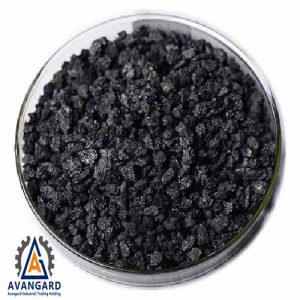
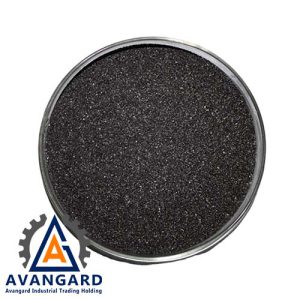
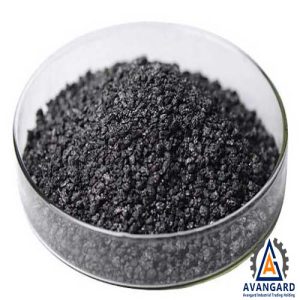


Graphite is one of the most well-known and industrially significant allotropes of carbon. Its chemical formula is simply “C”, and it is recognized as a key raw material in a wide range of industrial applications. Graphite is a crystalline material composed of flat, hexagonal layers of carbon atoms. In this structure, each carbon atom is covalently bonded to three neighboring carbon atoms, forming an extremely stable atomic network.
This distinctive layered structure gives graphite its unique lubricating properties and makes it one of the best electrical and thermal conductors among non-metallic materials. The ability of the layers to slide over one another easily is directly responsible for its excellent performance as a solid lubricant.
From a scientific standpoint, graphite crystallizes in a hexagonal crystal system, with an interlayer spacing of approximately 3.35 Å. The weak van der Waals forces between adjacent layers allow them to separate easily, which is a defining characteristic of graphite’s mechanical behavior. Due to this layered arrangement, graphite is widely used as a solid lubricant in metallurgical processes and industrial machinery.

Although the molecular formula of graphite appears simpler than that of other carbon allotropes such as diamond and graphene, its physical properties are fundamentally different. In diamond, each carbon atom is bonded to four other carbon atoms, forming a rigid three-dimensional structure. In contrast, in graphite each carbon atom is bonded to only three others, leaving free electrons within the structure. These delocalized electrons are responsible for graphite’s high electrical conductivity, which distinguishes it sharply from diamond despite their identical chemical composition.
Crystal Structure and Its Relationship with Graphene
Graphite is composed of millions of ultra-thin layers known as graphene. Graphene is a single-atom-thick sheet of carbon atoms arranged in a hexagonal lattice, where each carbon atom is bonded to three neighboring atoms. This two-dimensional network structure is considered one of the strongest materials ever discovered, offering exceptional electrical conductivity, high mechanical strength, and extremely low weight.
Graphene is recognized as the fundamental building block of graphite. However, unlike graphite—which has a multilayered structure—graphene consists of only a single, isolated layer. The stacking of these graphene layers through weak interlayer forces gives rise to the bulk structure of graphite.
As previously mentioned, the chemical formula of graphite is “C”, indicating that it is composed entirely of pure carbon atoms. Nevertheless, the specific atomic arrangement within its crystal structure is what gives graphite its distinctive properties, such as high electrical and thermal conductivity. For this reason, graphite is regarded as a highly valuable material in advanced industries, ranging from electronic components to refractory materials and casting molds.
Physical and Chemical Properties of Graphite
Graphite possesses a unique combination of physical and chemical properties that make it exceptionally suitable for industrial applications:
- High electrical conductivity: The layered structure and the presence of delocalized electrons make graphite one of the best non-metallic electrical conductors.
- Excellent thermal conductivity: Graphite efficiently transfers heat, which is critical in electronic, thermal, and high-temperature applications.
- High thermal resistance: Its very high melting (or sublimation) temperature allows graphite to be used in furnaces and high-stress thermal processes.
- Lubricating and low-friction properties: Weak interlayer bonding enables graphite to function effectively as a dry solid lubricant in various mechanical systems.
- Chemical stability: Graphite is resistant to most chemical agents and performs reliably in corrosive environments.
These physical and chemical characteristics have led to the widespread use of graphite in numerous industrial applications, including refractory components, electric arc furnace electrodes, industrial lubricants, and electrodes for lithium-ion batteries.
Types of Graphite and Its Commercial Forms
Graphite is produced and supplied in both natural and synthetic forms, each of which offers specific characteristics tailored to different industrial requirements.
| ype of Graphite | Key Characteristics | Typical Applications |
| Natural Graphite | Naturally occurring crystalline structure | Casting molds, electrodes |
| Synthetic Graphite | Manufactured in industrial furnaces with high purity | Batteries, industrial electrodes |
| Flake Graphite | Thin, crystalline, plate-like particles | Refractory materials, lubricants |
| Low-Sulfur Graphite | Low sulfur content | Alloy production, cast iron manufacturing |
Flake graphite is one of the most widely used forms, particularly in metallurgical and steelmaking industries, where its layered morphology and purity play a critical role in performance. The lamellar structure of flake graphite enhances thermal stability and lubricating behavior, making it highly desirable for refractory and high-temperature applications.
Low-sulfur graphite is specifically selected for the production of special alloys and high-quality cast iron. Its reduced sulfur content contributes to improved metallurgical properties, minimizes defects, and enhances the overall quality of the final product, which is especially important in precision casting and alloying processes.
Industrial Applications of Graphite
Graphite is one of the most important raw materials across a wide range of industries. Its unique combination of thermal, electrical, and chemical properties makes it indispensable in many industrial processes. Some of the most significant applications include:
- Foundry and casting industries: Graphite molds are widely used for casting heavy and non-ferrous metals due to their excellent thermal stability and resistance to thermal shock.
- Electrode manufacturing: Graphite electrodes are essential components in electric arc furnaces (EAFs) for steel melting and secondary metallurgy.
- Lithium-ion batteries: Graphite is used as the anode material in lithium-ion batteries, particularly in electric vehicles and energy storage systems.
- Lubricants: Graphite functions as a dry and solid lubricant in industrial components operating under high temperature or pressure conditions.
- Refractory materials: Graphite is a key ingredient in the production of refractory products for furnaces, kilns, and high-temperature industrial environments.
- Electronics industry: Graphite is used in the manufacture of electrode plates, conductive components, and various electronic parts.

Graphite Production Methods
Natural graphite is extracted from mineral deposits and is generally classified into three main types: amorphous, flake, and vein (lump) graphite. Natural graphite occurs in metamorphic rocks and is available in varying purity grades depending on the geological conditions.
In contrast, synthetic graphite is typically produced from petroleum coke at extremely high temperatures in the presence of an electric current. This graphitization process results in a product with very high purity, controlled properties, and consistent performance, making synthetic graphite particularly suitable for advanced industrial applications where predictable material behavior is essential.
Comparative Table of Graphite Properties with Other Carbon Allotropes
| Property | Graphite | Diamond | Graphene |
| Chemical Formula | C | C | C |
| Structure | Layered structure | Three-dimensional crystal lattice | Single-layer, two-dimensional structure |
| Hardness | Soft | Extremely hard | Very high |
| Electrical Conductivity | High | Very low | Extremely high |
| Industrial Applications | Electrodes, refractory materials, lubricants | Jewelry, cutting and drilling tools | Advanced electronics, nanotechnology |
Final Summary
Graphite, with the chemical formula C, is one of the most fundamental raw materials in the foundry, electrode manufacturing, battery production, and refractory industries. Owing to its unique crystal structure and outstanding physical properties, graphite plays a critical role in the industrial supply chain.
By supplying high-quality graphite for purchasing, trading, pricing, manufacturing, and the production of a wide range of industrial products, Avangard Company can secure a strong and influential position in the industrial raw materials market. Its expertise in metallurgy and industrial supply enables the company to meet the demanding requirements of advanced manufacturing sectors and contribute significantly to the reliability and performance of industrial processes.
🏢 Avangard Industrial Trading Holding Company – A pioneer in supplying and manufacturing casting parts in the Middle East 🌍 📞 Phone: +98 912 022 8576 🌐 Website: En.Avangardholding.com