فارسی
فارسی  العربية
  Русский
  Azərbaycan

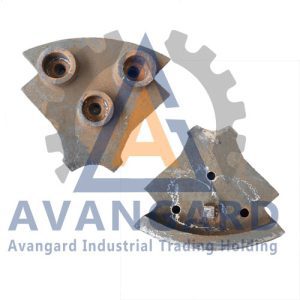
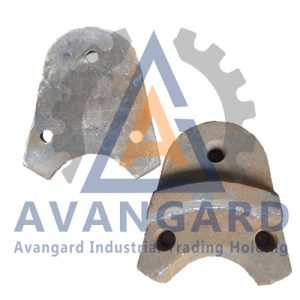
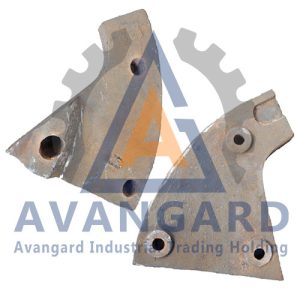
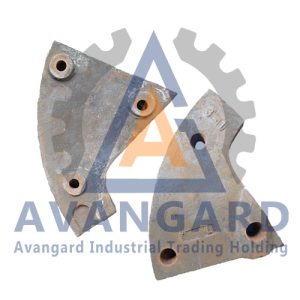
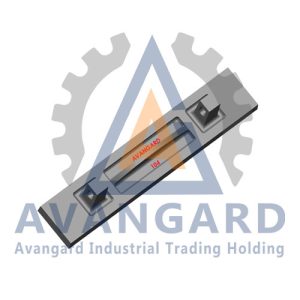
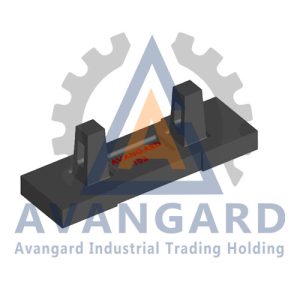
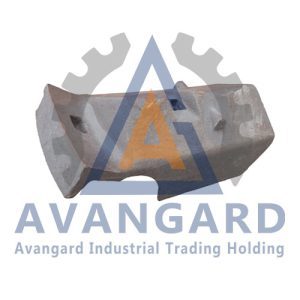
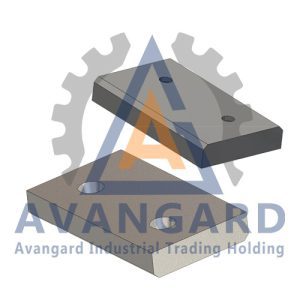
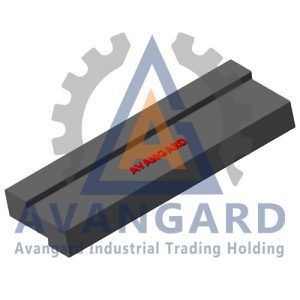
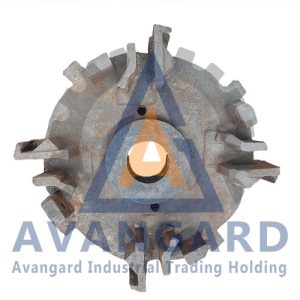


The export of industrial casting parts—particularly components used in mining and crushing industries—is considered one of the most important competitive advantages of Iranian manufacturers in international markets. High casting quality, access to wear-resistant alloys, and competitive production costs have enabled a significant growth in the export of crusher parts from Iran to regional countries such as Iraq, Oman, Uzbekistan, Kazakhstan, Afghanistan, and even several African countries.
Among these products, the export of crusher hammers, as one of the most widely used wear-resistant components, holds a special position in the export portfolio of casting units. However, success in export activities is not limited to manufacturing capabilities alone. Comprehensive knowledge of export procedures, legal documentation, applicable standards, and customs formalities plays a decisive role in achieving sustainable and profitable exports.

Commercial Card; The Legal Authorization for Exporting Crusher Parts
A Commercial Card is the first and most essential prerequisite for entering the export process. This card is issued by the Chamber of Commerce and legally authorizes its holder to engage in export activities.
For companies operating in the field of foundry and export of crusher and mining parts, obtaining a corporate (legal entity) commercial card is highly recommended. This type of card enables companies to enter international contracts, register trademarks, and establish formal and professional relationships with foreign buyers, which is essential for long-term presence in global markets.
Key Points Regarding the Commercial Card
- One-year validity, renewable upon expiration
- Mandatory for registering export declarations
- Eligibility to benefit from export tax exemptions
- The registered business activity must be consistent with the production of industrial parts
Proforma Invoice; The Core Foundation of Export Negotiations
A Proforma Invoice, also known as a pre-invoice, is the first official document in the export process of crusher hammers and other casting parts. This document is issued by the exporter and sent to the foreign buyer, serving as the primary basis for the buyer’s purchase decision and order registration.
In the export of crusher parts, accuracy in preparing the proforma invoice is critical, as even minor discrepancies may lead to customs clearance delays or financial disputes.
Essential Information in an Export Proforma Invoice
- Exact product name, e.g. Hammer Crusher Casting Part
- Material analysis, such as Manganese Steel, Ni-Hard 4 Cast Iron, High ChromeCast Iron, etc. (High Chrome, Mn Steel)
- Net and gross weight
- Unit price and total price
- Delivery terms (Incoterms): FOB, EXW, CIF
Incoterms Explanation:
- EXW (Ex Works): The goods are delivered at the seller’s factory gate, and all transportation costs and risks from that point onward are borne by the buyer.
- FOB (Free On Board): The seller delivers the goods on board the vessel at the port of origin. After loading, all responsibilities and costs are transferred to the buyer.
- CIF (Cost, Insurance and Freight): The seller covers the freight, insurance, and transportation costs to the destination port; however, the risk is transferred to the buyer once the goods are loaded.
- Delivery time

Export Sales Invoice; The Final Financial Document
After the proforma invoice is approved and the transaction is finalized, the export sales invoice is issued. This document plays a critical role in customs declaration and financial settlement.
In the export of crusher parts, the sales invoice must fully and precisely match the proforma invoice, with no discrepancies in weight, pricing, or technical specifications, as any inconsistency may cause customs or financial complications.
Applications of the Export Sales Invoice
- Basis for customs valuation
- Submission to banks or exchange offices
- Official financial record of the export transaction
Packing List; Transparent Documentation of Casting Parts Packaging
The packing list provides complete and detailed information on how the goods are packaged. In the export of crusher casting parts, this document is of high importance due to the heavy weight and industrial nature of these components.
Key Information Included in the Packing List
- Number of boxes or pallets
- Weight of each package
- Type of packaging (wooden crates, metal pallets, steel-strapped packaging, etc.)
- Loading and arrangement method
Bill of Lading; The Official International Shipping Document
The Bill of Lading (B/L) serves as official proof that the goods have been delivered to the transportation company and is considered one of the core documents in the export process. The type of bill of lading is selected based on the export route and mode of transportation.
In the export of crusher hammers, road and sea freight are the most commonly used transportation methods.
Certificate of Standard; Guarantee of Export Quality
Many foreign buyers—particularly in the mining industry—require a certificate of standard or quality control as a mandatory document. This certificate confirms that the casting parts comply with the declared technical specifications, material properties, and quality requirements.
Certificate of Origin; Proof of the Country of Manufacture
The Certificate of Origin (COO) confirms that the goods have been manufactured in Iran. This document plays a significant role in determining import duties and tariff rates in the destination country and is often required by customs authorities and foreign buyers.
Inspection Certificate; Reducing Export Transaction Risks
A pre-shipment inspection increases the buyer’s confidence and helps prevent potential disputes regarding quantity, quality, or technical specifications. This certificate is usually issued by an independent inspection company prior to shipment.
Export Declaration; The Final Step Before Goods Exit
The Export Declaration is registered in the customs electronic system and includes complete details of the goods, such as value, quantity, technical specifications, and export-related information. This step represents the final legal procedure before the goods are cleared for export.
| Export Stage | Required Documents | Estimated Cost | Estimated Timeline |
| Obtaining export authorization | Commercial Card | Medium (annual) | 7 to 14 working days |
| Order registration & buyer negotiation | Proforma Invoice | Low | 1 to 2 days |
| Finalizing the transaction | Export Sales Invoice | Low | 1 day |
| Product preparation & packaging | Packing List | Medium | 2 to 5 days |
| Quality control of goods | Standard Certificate or Material Analysis Report | Medium | 2 to 4 days |
| Pre-shipment inspection | Inspection Certificate | Medium | 1 to 3 days |
| Determining product origin | Certificate of Origin | Low | 1 day |
| Customs data registration | Export Declaration | Low | Less than 1 day |
| International transportation | Bill of Lading (Road, Sea, Rail) | High | 3 to 15 days |
| Customs clearance | Export Clearance | Medium | 1 to 2 days |
Final Conclusion
Successful export of casting parts requires a combination of high-quality production, complete documentation, proper packaging, and full mastery of customs procedures. Companies such as Avangard Holding, which specialize in the manufacturing of crusher and mining parts, can achieve a significant share of export markets by strictly following these steps.
Focusing on the export of crusher hammers and other wear-resistant parts represents a sustainable opportunity for expanding international markets and increasing foreign currency revenues, while strengthening the global presence of specialized Iranian manufacturers.
🏢 Avangard Industrial Trading Holding Company – A pioneer in supplying and manufacturing casting parts in the Middle East 🌍 📞 Phone: +98 912 022 8576 🌐 Website: En.Avangardholding.com