فارسی
فارسی  العربية
  Русский
  Azərbaycan

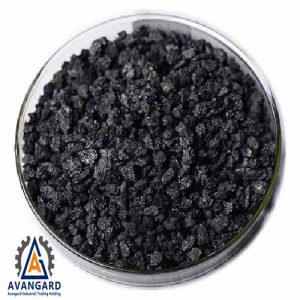
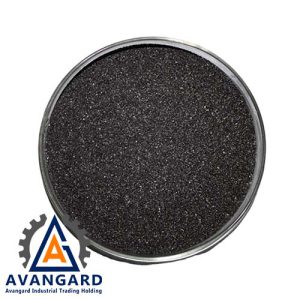
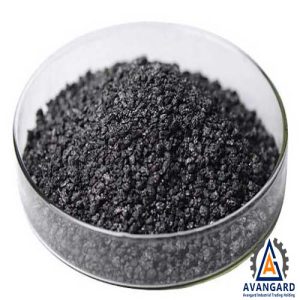

Low-sulfur graphite, or GPC (Graphitized Petroleum Coke), is an advanced grade of carbon material that offers higher purity and quality compared to conventional graphite due to its extremely low sulfur content. This material is produced through the graphitization of petroleum coke, and its well-ordered crystalline structure provides exceptional physical and chemical properties for sensitive industrial applications.
Thanks to its controlled chemical composition and high stability, low-sulfur graphite is widely used across various industries, including steelmaking, petrochemicals, electronics, and chemical manufacturing. It plays a crucial role in improving process efficiency and enhancing the quality of final products.
Characteristics and Properties of Low-Sulfur Graphite (GPC)
Low-sulfur graphite (GPC), with its very low sulfur content and high carbon purity, possesses outstanding features that make it ideal for sensitive industrial applications, particularly in steelmaking, petrochemical, and electronic industries.
Key Features of GPC:
- Minimal sulfur content: Typically below 0.05%, reducing contaminants and enhancing the quality of final products.
- High purity: High carbon content ensures optimal performance in sensitive processes, especially in the production of steel and advanced alloys.
- High thermal resistance: Allows long-term use under extremely high-temperature conditions.

Applications of Low-Sulfur Graphite
- Steelmaking Industry: Low-sulfur graphite is a vital additive in steel production, serving multiple purposes:
- Carbon addition: Precisely controlling the carbon content in steel alloys to achieve desired mechanical properties such as strength and hardness.
- Sulfur reduction: Lowering sulfur levels as an unwanted contaminant, thereby improving steel quality.
- Enhancing mechanical properties: Increasing the strength, hardness, and durability of the produced steel.
- Reducing production costs: Minimizing the need for additional purification processes and improving the quality of the final product, leading to cost savings.
- Petrochemical Industry: Used as a catalyst or adsorbent in chemical production and petrochemical processes due to its high purity and chemical stability.
- Electronics Industry: Serves as a raw material in the production of electrodes and electronic components, offering superior properties and long-term reliability.
- Aluminum and Alloy Production: Acts as an additive in the production of aluminum and other metallic alloys to improve product quality and precisely control chemical composition.
Comparative Table of Properties and Applications of Low-Sulfur Graphite (GPC)
| Property / Application | Description |
| Sulfur Content (S) | Less than 0.05% |
| Carbon Purity (C) | Very high (98% and above) |
| Thermal Resistance | Excellent; suitable for high-temperature applications |
| Mechanical Properties | Enhances strength, hardness, and durability of metal products |
| Steelmaking Industry | Carbon addition, sulfur reduction, improvement of steel mechanical properties, reduction of production costs |
| Petrochemical Industry | Used as a catalyst or adsorbent in chemical processes |
| Electronics Industry | Production of high-quality electrodes and electronic components |
| Aluminum and Alloy Production | Improves quality and controls chemical composition of alloys |
Production Method of Low-Sulfur Graphite (GPC)
Low-sulfur graphite is primarily produced from petroleum coke. In this process, petroleum coke is heated in specialized furnaces to temperatures between 2,500 and 3,000°C to form a crystalline graphite structure.
The production process involves the following steps:
- Initial heating of petroleum coke: Raising the temperature to the desired range to prepare the initial structure.
- Thermal treatment: Removing impurities and increasing the carbon purity in the material.
- Graphitization: Creating a well-ordered, layered crystalline carbon structure, which provides the excellent physical and chemical properties of GPC.
This production method yields low-sulfur graphite with extremely low sulfur content, high purity, and excellent thermal resistance, making it ideal for sensitive industrial applications.
Sources and Manufacturers of Low-Sulfur Graphite
In recent years, the majority of GPC production has been carried out by countries with abundant petroleum coke resources and advanced production technologies. Key producers include:
- China, India, Russia, South Korea, and the United States
- Other countries such as Brazil, Australia, Canada, and Germany are also active in GPC production, although at lower volumes.
Due to its unique properties, low-sulfur graphite is utilized in various industries worldwide, playing a key role in manufacturing processes, enhancing product quality, and supplying essential raw materials.

Summary and Purchasing Low-Sulfur Graphite from Avangard
Low-sulfur graphite (GPC), with its high purity, low sulfur content, and excellent thermal resistance, is a strategic and essential material in the steelmaking, petrochemical, electronics, and metals industries. The production of this material requires advanced technology and precise control of thermal processes, with leading producers including China, India, Russia, and the United States.
Avangard, leveraging technical expertise and industrial experience, provides high-quality low-sulfur graphite. By offering specialized consultation and technical support, Avangard is recognized as a reliable supplier across various industries. Purchasing graphite from Avangard ensures the quality and optimal performance of your final products.
🏢 Avangard Industrial Trading Holding Company – A pioneer in supplying and manufacturing casting parts in the Middle East 🌍 📞 Phone: +98 912 022 8576 🌐 Website: En.Avangardholding.com