فارسی
فارسی  العربية
  Русский
  Azərbaycan

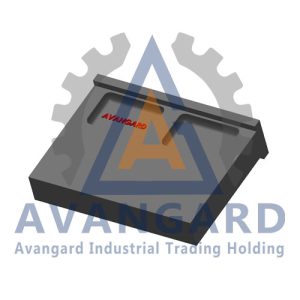
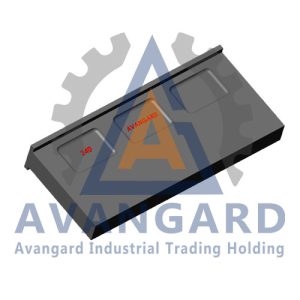
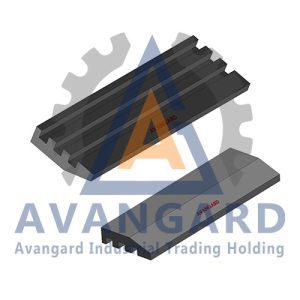
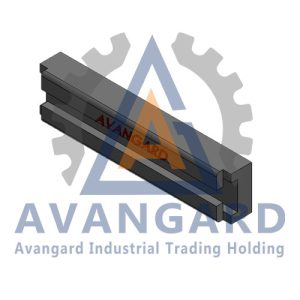
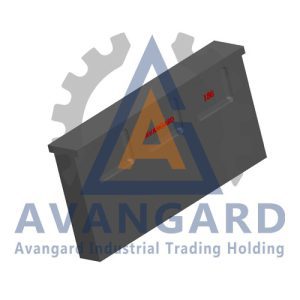
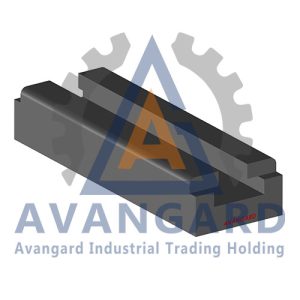
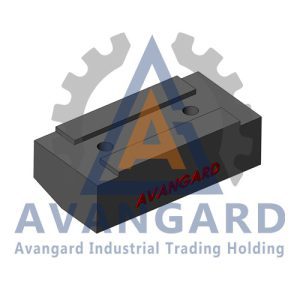
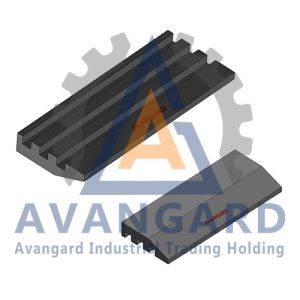
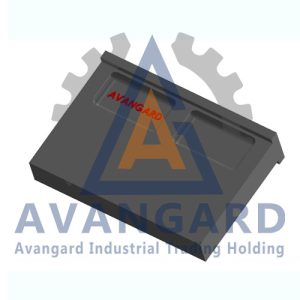
In the mining, Casting, and crushing industries, one of the most critical components of the supply chain is the transportation of parts and equipment. After producing various cast crusher components, such as jaw plates, hammers, side liners, shells, and hydrocone parts, these products must be delivered to the project site or factory using suitable trucks.
Selecting the appropriate vehicle for transporting cargo based on the weight, dimensions, and type of the part plays a crucial role in reducing costs and ensuring the integrity of the equipment. If the truck is not chosen according to its load capacity, parts may suffer breakage, deformation, or surface wear during loading or transportation.
This article examines the carrying capacity of different types of trucks and their applications in transporting foundry parts and crusher equipment.
Carrying Capacity of Different Trucks in the Crushing Industry
| Vehicle Type | Approx. Load Capacity (tons) | Cargo Volume (m³) | Cargo Area Dimensions (m × m) | Suitable Cargo Type |
| Light Pickup (e.g., Peykan, Pride, and similar) | 0.3 – 0.6 | 1 – 1.5 | 1.6 × 1.2 | Small foundry parts, tools, and light molds |
| Nissan Pickup | 1.8 – 2.2 | 2 – 3 | 2.0 × 1.5 | Medium crusher parts such as jaw plates or side liners |
| Khavar Truck (6 tons) | 4 – 6 | 12 – 18 | 4.0 × 2.0 | Crusher shells, molds, and medium-heavy bodies |
| Single Axle Truck (10 tons) | 9 – 10 | 25 – 30 | 5.5 × 2.2 | Assembled parts or complete crusher units |
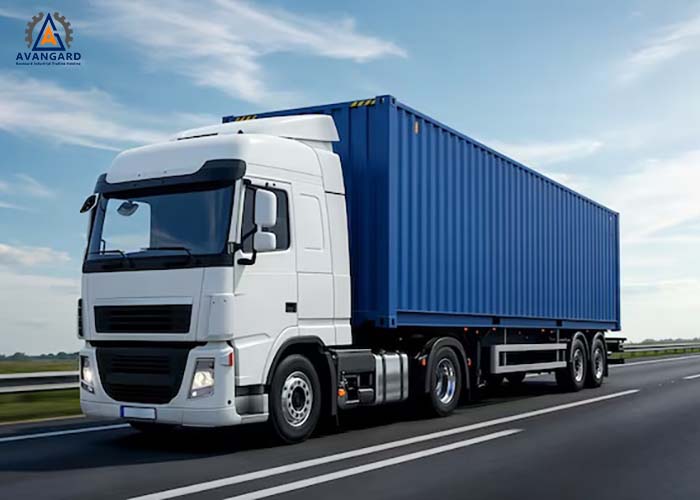
| Trailer Truck (18 wheels) | 22 – 25 | 60 – 90 | 12.0 × 2.4 | Transporting complete crusher machines, conveyor lines, and export equipment |
As shown in the table, increasing a vehicle’s load capacity also provides a larger usable cargo area. For example, large and heavy parts produced in high volumes—such as mantles, concaves, and rotors for crushers—are typically transported using trailers or single-axle trucks. Meanwhile, lighter components, such as crusher cheek plates or idler bases, are usually carried by Nissan pickups or medium trucks.
Relationship Between Vehicle Load Capacity and Transporting Foundry Parts
In the production of crusher machines, components are manufactured in varying weights and dimensions. For instance:
- Jaw plates, side liners, and crusher hammers are medium-sized parts weighing approximately 100 to 600 kg and are transported using Nissan pickups.
- Mantles and concave cones used in hydrocone crushers each weigh over 500 kg and must be moved by Nissan pickups, medium trucks, or single-axle trucks.
- Crusher shells and main bodies typically weigh between 5 to 10 tons, requiring transportation with trailers or 10-ton trucks.
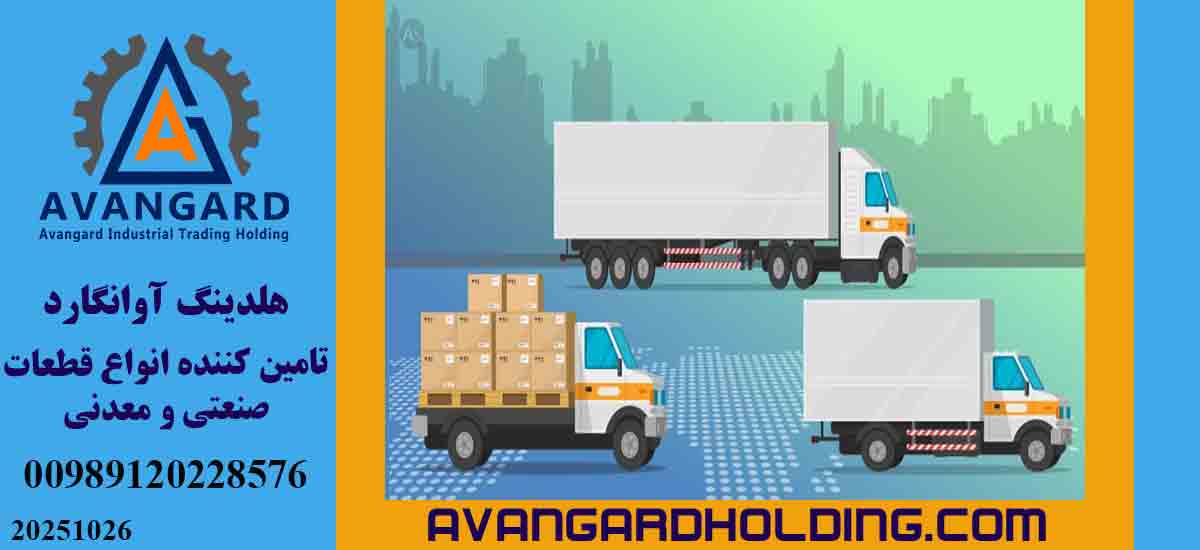
At Avangard, before dispatching any shipment, the weight and dimensions of foundry parts are precisely calculated to select the most suitable vehicle. This process prevents damage to the parts and ensures the safety of the cargo.
The Importance of Alloy Weight and Casting Type in Transportation
The type of alloy used in casting crusher parts has a direct impact on the final weight. For example, manganese steel has a higher density compared to alloyed cast iron, meaning parts made from this material require vehicles with higher load capacities.
For this reason, Avangard’s technical team carefully reviews the specifications of each part before transportation and selects suitable vehicles—from light pickups to trailers—based on the total weight.
Additionally, packaging plays a critical role. Using metal pallets, industrial straps, and anti-corrosion coverings ensures that cast parts remain protected from wear and rust during transit.
Transporting Crusher Equipment in Production Lines
In mining crushing lines, transporting crusher and construction equipment to the installation site requires precise planning. Each crusher machine consists of several heavy cast components, such as rotors, shells, main bodies, and steel bases, which are typically transported using trucks or trailers.
At Avangard, a detailed shipping plan is prepared for each project, and loading is carried out by experienced personnel. With collaboration with professional drivers across the country, the company can deliver crusher equipment and cast parts to installation sites with speed, safety, and high precision.
For export shipments, heavy parts are transported using transit trailers and specialized containers to ensure that long-distance travel does not damage the surfaces of the parts.
Conclusion
The load capacity of trucks has a significant impact on the quality of transporting cast parts and crusher equipment. Choosing the right vehicle—whether a light pickup, Nissan, medium truck, single-axle truck, or trailer—helps reduce costs and ensures the integrity of the parts.
Avangard, leveraging its extensive experience in manufacturing cast parts, crusher components, and producing crushing machines such as hydrocone crushers, jaw crushers, and other crusher equipment, carries out all packaging and transportation processes in an engineered and systematic manner. This approach results in increased customer satisfaction and the safe, timely delivery of parts across the country.
🏢 Avangard Industrial Trading Holding Company – A pioneer in supplying and manufacturing casting parts in the Middle East 🌍 📞 Phone: +98 912 022 8576 🌐 Website: En.Avangardholding.com