فارسی
فارسی  العربية
  Русский
  Azərbaycan
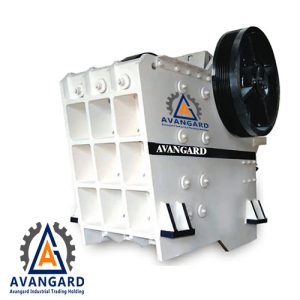
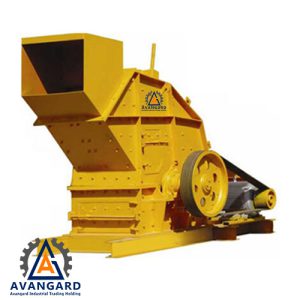
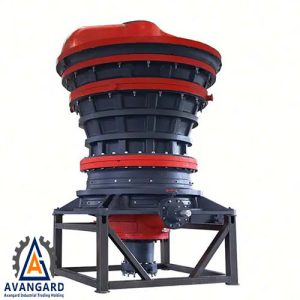
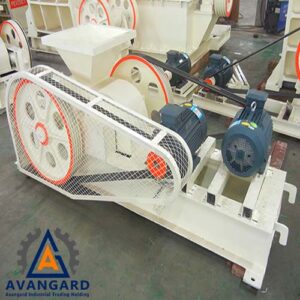
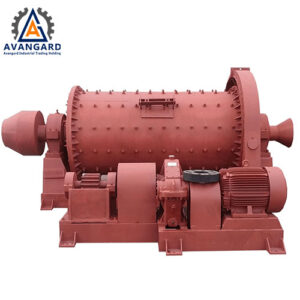
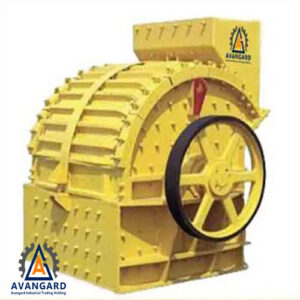

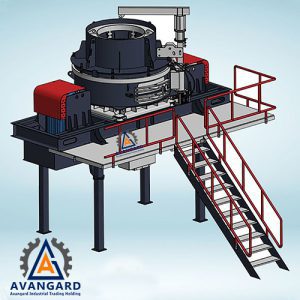
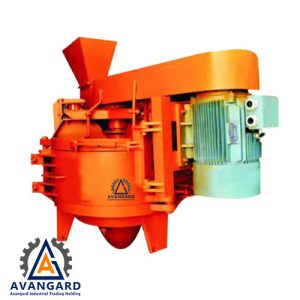
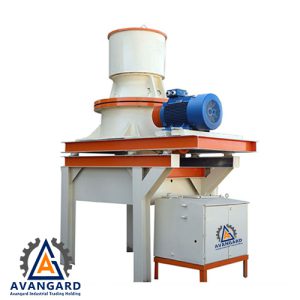
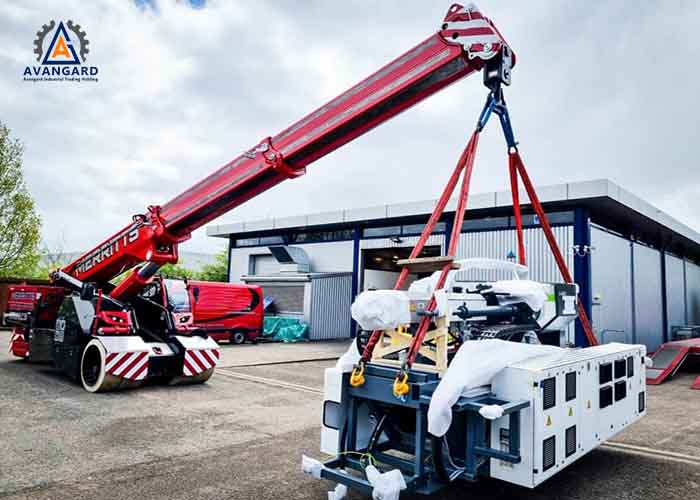
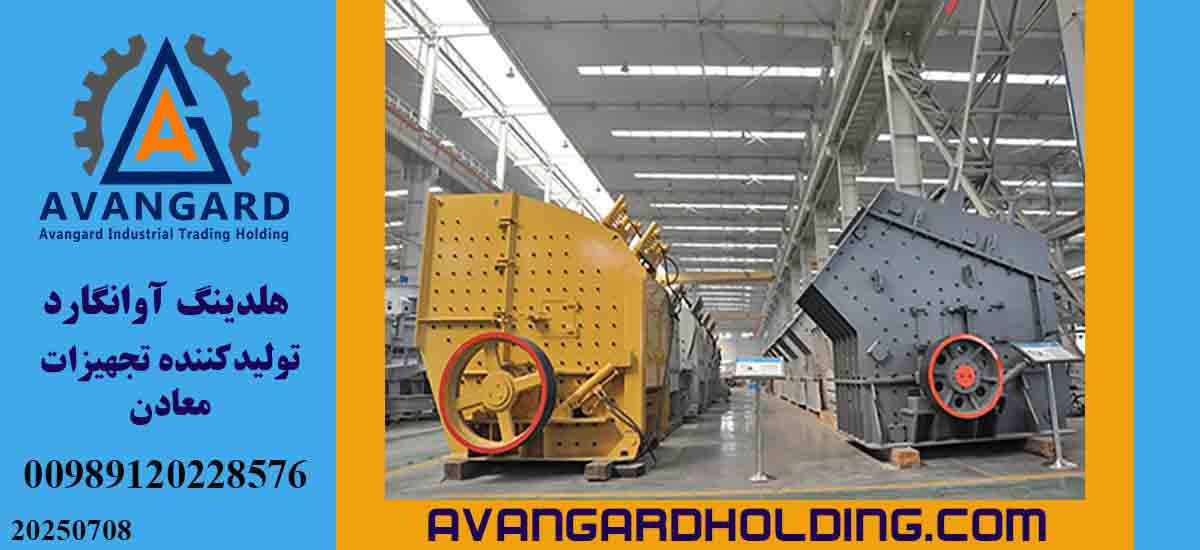
Iran, with its strong industrial capacity, has developed a significant industry in the production of crushing equipment, material handling systems, and spare parts for the mining(Crushing and Road Construction) and road construction sectors. In recent years, with the increasing regional demand, the roadmap for exporting these products to Central Asian countries (Kazakhstan, Uzbekistan), as well as Afghanistan, Iraq, and Armenia, has been prioritized by trade and commercial organizations. This article explores practical export routes, Iran’s competitive advantages, existing challenges, and strategies for sustainable development in this sector.
Access Routes to Target Markets
- Chabahar Port and the North–South Corridor
Chabahar Port, as Iran’s only port on the Gulf of Oman, serves as a direct gateway to Central Asian countries and Afghanistan. This port, combined with railway and overland routes, can facilitate the export of heavy machinery and equipment to Kazakhstan and Uzbekistan. - Trans-Caspian International Transport Corridor (Middle Corridor)
This multimodal corridor—integrating road, rail, and maritime routes—connects Iran to Central Asian markets and enables export opportunities to destinations such as Kazakhstan and Uzbekistan. - Five-Nation Railway Line
This newly established railway network connects Iran with Turkmenistan, Uzbekistan, Kazakhstan, and China. It significantly improves the capacity for direct export of industrial equipment and spare parts to Central Asian countries.
Target Countries and Market Opportunities
🟢 Kazakhstan
With vast mineral reserves and continuous demand for upgrading mining and processing lines, Kazakhstan is actively investing in national-scale projects. Thanks to Iran’s direct rail access, the export of steel crushing equipment and spare parts can be carried out at a lower cost, offering a competitive advantage.
🟢 Uzbekistan
Rapid development in copper, gold, and base metal mining to meet both domestic demand and export goals. Iran has proposed the transfer of mining equipment and technology during recent bilateral technical meetings, aiming to strengthen industrial cooperation with Uzbekistan.
🟢Afghanistan
Home to Central Asia’s largest iron ore reserves, with new extraction projects underway in Hajigak. The country shows urgent demand for primary crushing components and conveyor Belt systems to support its mining operations.
🟢Iraq
There is a high demand for equipment such as jaw crushers, hydrocone crushers, Parker 104 hammers and Parker 103 hammers, and complete crushing lines. These are essential for rebuilding the infrastructure of mining operations and construction projects across the country.
🟢 Armenia
Although a relatively small market, Armenia is experiencing growth in demand for screening components, industrial charge systems, and portable equipment. Its membership in the Eurasian Economic Union (EAEU) also facilitates smoother economic cooperation with Iranian suppliers.
Export Roadmap Table
| Target Country | Export Route | Main Export Products | Promoted Iranian Advantage |
| Kazakhstan | Rail / Sea + Middle Corridor | Crusher Spare Parts, rollers, material handling equipment | Competitive pricing, durability, fast delivery |
| Uzbekistan | Rail via Turkmenistan | Feeder equipment, wear-resistant parts, precision castings | On-site technical support and installation services |
| Afghanistan | Overland (Milak) + Chabahar Railway | Basic crushing lines, screens, feeders, spare parts | Closest market to Iran, low transport costs |
| Iraq | Overland via western border | Crusher spare parts, conveyors, fittings | Fast delivery, competitive pricing |
| Armenia | Overland or air freight | Screening systems, grading components | Smaller products, easy-to-export packaging |
Iran’s Competitive Advantages in Exporting
- Lower production and supply costs compared to Western manufacturers and some Asian brands
- Extensive operational experience in major domestic mines such as Gol Gohar and Chadormalu
- Chabahar Port as a direct export route to Central Asia and the Indian Ocean
- Capability to provide technical support, local training, and reliable after-sales spare parts supply
Challenges and Proposed Solutions
- Issues with the Middle Corridor transport system: Requires enhanced logistical coordination, streamlined border processes, and administrative facilitation
- International financial restrictions: Utilize intermediary countries for indirect financial transactions
- Competition from Chinese and European brands: Differentiate through superior after-sales service and rapid parts replacement
- Currency fluctuations and tariffs: Apply conservative pricing strategies and consider multi-year contractual agreements
Practical Recommendations for Implementation
- Design a customer-oriented export package, including installation training, after-sales service, and spare parts supply
- Collaborate with local logistics companies in target countries
- Participate in mining and transportation exhibitions across Central Asia
- Sign contracts with flexible payment terms and guaranteed quality clauses
- Officially follow up on corridor agreements and utilize customs exemptions in special economic zones
Conclusion
With its industrial infrastructure, technology, competitive production costs, and strategic geographical location, Iran has the potential to establish a strong export network for crushing equipment and spare parts to Kazakhstan, Uzbekistan, Afghanistan, Iraq, and Armenia. The Middle Corridor railway routes and Chabahar Port serve as key tools for export development. Companies like Avangard can capture a significant share of the regional market by implementing the proposed roadmap
🏢 Avangard Industrial Trading Holding – A Leading Supplier and Manufacturer of Mining Equipment in the Middle East 🌍
📞 Phone: +98 912 022 8576
🌐 Website: En.Avangardholding.com