فارسی
فارسی  العربية
  Русский
  Azərbaycan

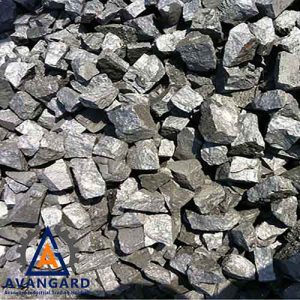
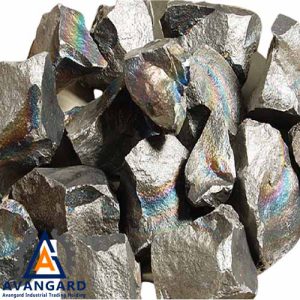
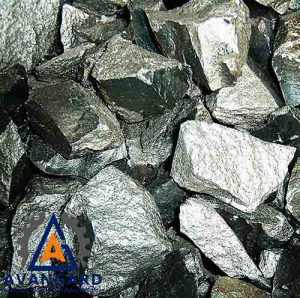


Ferromanganese (FeMn) is one of the most important ferroalloys used in the steelmaking and foundry industries. This alloy plays a key role in improving mechanical properties, increasing strength, deoxidizing, and desulfurizing steel. Ferromanganese is composed primarily of iron and manganese and is produced in various grades depending on its carbon and manganese content.
Today, ferromanganese is widely used in the production of structural steels, alloy steels, wear-resistant cast irons, crusher parts, and mining equipment. With the rapid growth of the mining, cement, steel, and foundry industries, the demand for high-quality )Ferromanganese) has increased significantly. As a result, manufacturers are seeking ferroalloys with higher purity and more precise control of chemical composition to meet modern industrial requirements.
What Is Ferromanganese?
Ferromanganese is a manganese-based ferroalloy that typically contains between 65% and 85% manganese, along with iron and controlled amounts of carbon, silicon, phosphorus, and sulfur. This alloy is mainly used as an alloying material and deoxidizing agent in steel production processes.
The manganese present in ferromanganese increases hardness, wear resistance, tensile strength, and toughness in steel products. In addition, manganese reacts with sulfur and prevents the formation of iron sulfide, which plays an important role in reducing hot shortness and improving the hot workability of steel.
Importance of Ferromanganese in Steelmaking
During the steel melting process, the presence of oxygen and sulfur can significantly reduce the final quality of the steel product. Ferromanganese acts as both a deoxidizing and desulfurizing agent, helping improve molten metal quality and overall metallurgical performance.
The most important advantages of using ferromanganese include:
- Increasing the wear resistance of steel
- Improving hardness and mechanical strength
- Reducing hot shortness and brittleness
- Enhancing rolling and forging properties
- Increasing impact resistance
- Assisting in the production of high-quality alloy steels
- Improving the metallurgical properties of steel and cast iron
In the manufacturing of crusher parts and wear-resistant components such as crusher hammers, mantles, concaves, jaw crusher plates, and other mining equipment parts, ferromanganese plays a particularly important role, especially in the production of manganese steel.
Types of Ferromanganese
Ferromanganese is generally classified into three main categories based on its carbon content:
1- High Carbon Ferromanganese (HC FeMn)
High Carbon Ferromanganese is the most widely used and commonly produced type of ferromanganese. It typically contains:
- 70% to 80% manganese
- 6% to 8% carbon
This type of ferromanganese is produced in electric arc furnaces or blast furnaces and is mainly used in general steelmaking industries. Competitive pricing and large-scale production are among its major advantages.
Applications of High Carbon Ferromanganese
- Production of structural steel
- Carbon steels
- Alloy cast irons
- Foundry industries
- Manufacturing of mining and wear-resistant parts

2- Medium Carbon Ferromanganese (MC FeMn)
Medium Carbon Ferromanganese typically contains:
- 75% to 82% manganese
- 1% to 2% carbon
This grade of ferromanganese is used in the production of steels that require more precise carbon control. It is commonly produced through the refining process of high carbon ferromanganese.
Features of Medium Carbon Ferromanganese
- Higher purity
- Better control of chemical composition
- Reduced impurities
- Improved metallurgical quality
Applications of Medium Carbon Ferromanganese
- Alloy steels
- Wear-resistant steels
- Engineering cast components
- Automotive industries
3- Low Carbon Ferromanganese (LC FeMn)
Low Carbon Ferromanganese is considered one of the most valuable types of ferromanganese and typically contains:
- 80% to 90% manganese
- Less than 0.5% carbon
This type of ferroalloy is widely used in the production of special steels and stainless steels where low carbon content and high metallurgical quality are essential.
Advantages of Low Carbon Ferromanganese
- Minimum impurity levels
- Very high quality and purity
- Suitable for specialty steel production
- Improvement of steel mechanical properties
Applications of Low Carbon Ferromanganese
- Stainless steel production
- Tool steels
- Heat-resistant steels
- Oil and gas industries
- Power generation industries
Raw Materials Used in Ferromanganese Production
The main raw materials used in ferromanganese production include:
- Manganese ore
- Metallurgical coke
- Limestone
- Steel scrap
- Electrical energy
The quality of manganese ore directly affects the final quality of ferromanganese. Ores with high Mn content and low phosphorus levels are used for producing high-quality ferroalloys.
Ferromanganese Production Process
Ferromanganese is usually produced in a Submerged Arc Furnace (SAF). In this process, manganese ore is charged into the furnace together with coke and flux materials and is reduced at very high temperatures.
Production Steps
1- Raw Material Preparation The raw materials are crushed and sized to ensure proper conditions for the smelting process.
2- Furnace Charging A specific mixture of manganese ore, coke, and flux materials is charged into the furnace.
3- Reduction of Manganese Oxides At high temperatures, manganese oxides are reduced, resulting in the production of free manganese.
4- Slag Separation Impurities are separated in the form of slag.
5- Casting and Crushing The molten ferromanganese is tapped from the furnace, cooled, and crushed into different size fractions.
Difference Between Ferromanganese and Silicomanganese
Many people confuse ferromanganese with silicomanganese. The main difference between these two ferroalloys is the silicon content.
| Property | Ferromanganese | Silicomanganese |
| Main element | Manganese | Manganese + Silicon |
| Silicon content | Low | High |
| Application | Deoxidation and alloying | Stronger deoxidation |
| Usage | General steels | Special alloy steels |
Silicomanganese, in addition to manganese, contains approximately 15% to 20% silicon and is widely used in modern steelmaking processes.
Chemical Composition of Ferromanganese
The chemical composition of ferromanganese varies depending on its grade, but it typically includes the following elements:
| Element | Approximate Content |
| Mn | 65–90% |
| C | 0.1–8% |
| Si | 1–2% |
| P | Max 0.3% |
| S | Max 0.03% |
Precise control of phosphorus and sulfur during ferromanganese production is extremely important, as these elements can significantly weaken the mechanical properties of steel.
Applications of Ferromanganese in Various Industries
Steel Industry
The largest consumption of ferromanganese is in steelmaking, as nearly all steel grades contain a certain amount of manganese.
Foundry Industry
It is used in the production of wear-resistant cast irons and industrial components.
Mining Industry
Ferromanganese is applied in the manufacturing of crusher components, impact hammers, side liners, anvils, and other wear-resistant parts.
Automotive Industry
It is used in the production of high-strength steels and stress-resistant components.
Oil and Gas Industry
Ferromanganese is used in the production of steels resistant to high pressure and high temperature conditions.
Ferromanganese Price and Influencing Factors
The price of ferromanganese is affected by several key factors, including:
- Global manganese ore prices
- Energy and electricity costs
- Manganese and carbon content percentage
- Levels of phosphorus and sulfur
- Country of production
- Transportation and logistics costs
- Exchange rate fluctuations
Low carbon ferromanganese is generally more expensive than high carbon grades due to its more complex and energy-intensive production process.
Conclusion
Ferromanganese is one of the most strategic ferroalloys in the steelmaking, foundry, and industrial manufacturing sectors. It plays a vital role in improving strength, enhancing mechanical properties, and enabling effective deoxidation and desulfurization of steel.
This ferroalloy is produced in high carbon, medium carbon, and low carbon grades, each used in different industries depending on its chemical composition and purity level.
Selecting the correct type of ferromanganese has a direct impact on final steel quality, wear resistance of components, and overall industrial performance. Therefore, the use of high-quality and standard ferromanganese is highly important in mining, steel, cement, and foundry industries.
Avangard Holding, leveraging its expertise in metallurgy and foundry engineering, is committed to supplying high-quality raw materials and industrial components for various industries. The use of standard ferroalloys such as high-grade ferromanganese significantly increases the service life of crusher parts, mining equipment, and improves production efficiency.
🏢 Avangard Industrial Trading Holding Company – A pioneer in supplying and manufacturing casting parts in the Middle East 🌍 📞 Phone: +98 912 022 8576 🌐 Website: En.Avangardholding.com