 فارسی
فارسی  العربية
  Русский
  Azərbaycan

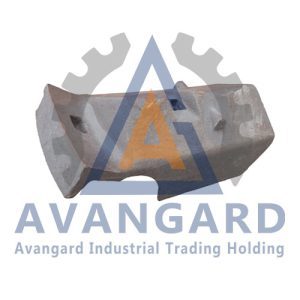
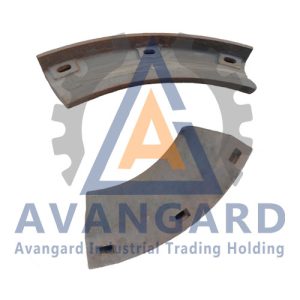
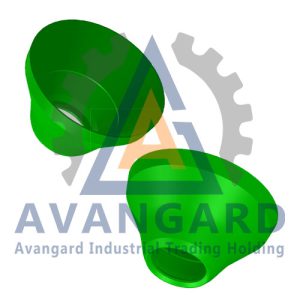


Manganese steel and Ni-Hard cast iron are among the most widely used alloys in the manufacturing of crusher wear parts. Each alloy offers distinct mechanical properties, wear resistance characteristics, and application advantages, making proper material selection a critical factor in maximizing equipment service life, reducing maintenance costs, improving crushing plant efficiency, and minimizing unplanned downtime in mining operations.
In many mining projects, selecting an inappropriate alloy results in accelerated wear, premature component failure, and significant operational costs. For this reason, understanding the differences between Hadfield Steel (Manganese Steel) and Ni-Hard Cast Iron is essential for mine managers, maintenance engineers, technical specialists, procurement professionals, and plant operators.
This article provides a comprehensive comparison of these two engineering materials, covering their technical characteristics, advantages, limitations, industrial applications, and selection criteria to help you choose the most suitable alloy for your specific operating conditions.
What Is Manganese Steel?
Manganese steel, commonly known as Hadfield Steel, is one of the world’s most recognized impact- and wear-resistant engineering alloys. It typically contains approximately 11–14% manganese and about 1% carbon. Its fully austenitic microstructure gives it unique mechanical properties that distinguish it from conventional carbon and alloy steels.
The most remarkable characteristic of manganese steel is its work-hardening capability. As the component is subjected to repeated impact and compressive loading, its surface progressively hardens while maintaining a tough and ductile core. This phenomenon significantly improves wear resistance during service, making manganese steel an ideal choice for components exposed to both severe impact and abrasive wear.
Within the crushing and aggregate industry, DIN 1.3401 Manganese Steel and Molybdenum-Alloyed DIN 1.3401 Manganese Steel are extensively used for manufacturing critical crusher wear parts such as jaw plates, mantles, concaves, crusher hammers, and other high-impact components. The addition of molybdenum in selected grades enhances mechanical strength, improves toughness, and delivers more reliable performance under demanding operating conditions.

What Is Ni-Hard Cast Iron?
Ni-Hard Cast Iron is a high-alloy white cast iron specifically engineered to provide exceptional abrasion resistance through the addition of nickel and chromium. The presence of hard carbide phases throughout its microstructure gives this alloy outstanding resistance to abrasive wear, making it highly effective in applications where material loss is primarily caused by continuous abrasion.
Unlike manganese steel, Ni-Hard cast iron is not designed to withstand severe or repeated impact loading. Under continuous high-impact conditions, the likelihood of cracking or brittle fracture increases. Consequently, this alloy is best suited for equipment and components operating in environments where abrasive wear is the dominant wear mechanism rather than heavy impact.
One of the most widely used grades within this family is Ni-Hard 4 Cast Iron, which offers an excellent balance between hardness and wear resistance. Owing to these properties, Ni-Hard 4 is extensively utilized in the mining, cement, steel, aggregates, and sand & gravel industries, where extended service life under highly abrasive conditions is required.
Metallurgical Differences Between Manganese Steel and Ni-Hard Cast Iron
The primary distinction between manganese steel and Ni-Hard cast iron lies in their metallurgical microstructures, which directly influence their mechanical properties, wear behavior, and service performance.
Manganese steel possesses a fully austenitic microstructure. One of its defining characteristics is its ability to work harden under repeated impact and compressive loading. As the component is subjected to service conditions, its surface gradually becomes harder while retaining a tough and ductile core. This unique combination enables the alloy to achieve an extended service life in demanding applications involving both heavy impact and abrasive wear.
In contrast, Ni-Hard cast iron typically features a martensitic or pearlitic matrix reinforced with a high volume of extremely hard chromium-rich carbides. These carbide phases are primarily responsible for the alloy’s exceptional abrasion resistance. However, this same microstructure reduces the material’s toughness, making Ni-Hard cast iron more susceptible to cracking or brittle fracture when exposed to severe impact loading.
For this reason, understanding the loading conditions and wear mechanisms of the equipment is the most critical factor when selecting between manganese steel and Ni-Hard cast iron. Applications dominated by impact generally benefit from manganese steel, whereas components subjected primarily to continuous abrasive wear are better suited to Ni-Hard cast iron.
Comparison Between Manganese Steel and Ni-Hard Cast Iron
| Property | Manganese Steel (Hadfield Steel) | Ni-Hard Cast Iron |
| Abrasion Resistance | Very Good | Excellent |
| Impact Resistance | Excellent | Low |
| Initial Hardness | Moderate | Very High |
| Work Hardening | Yes | No |
| Toughness | Very High | Low |
| Risk of Sudden Fracture | Very Low | Higher |
| Machinability | Better | More Difficult |
| Suitability for Impact Applications | Excellent | Not Recommended |
| Suitability for Pure Abrasion | Good | Excellent |
| Service Life Under Heavy Impact | Longer | Shorter |
| Service Life Under Pure Abrasion | Good | Excellent |
The Work-Hardening Mechanism of Manganese Steel
One of the primary reasons for the widespread use of manganese steel is its unique work-hardening capability. During operation, repeated impact from rocks and other abrasive materials alters the crystal structure of the alloy’s surface, causing its hardness to increase progressively.
As a result, the outer surface becomes significantly more resistant to abrasion while the core of the component retains its exceptional toughness and ductility. This unique combination enables manganese steel to absorb heavy impact loads without cracking or catastrophic failure, making it one of the most reliable materials for demanding crushing applications.
Because of this outstanding performance, manganese steel has become the preferred material for manufacturing high-impact crusher wear parts such as jaw plates, mantles, concaves, and crusher hammers, and is widely used by leading manufacturers throughout the mining and aggregates industries.
Why Does Ni-Hard Cast Iron Offer Superior Abrasion Resistance?
The exceptional abrasion resistance of Ni-Hard cast iron is primarily attributed to its high concentration of extremely hard chromium-rich and iron carbides within the microstructure. These carbide phases possess outstanding hardness and effectively resist material loss when exposed to highly abrasive minerals and aggregates.
Consequently, Ni-Hard cast iron is the preferred material for manufacturing components that operate under continuous abrasive wear with minimal impact loading. Typical applications include wear liners, slurry pump impellers, wear plates, selected mill components, and other parts subjected to uniform abrasion, where maximizing service life and minimizing wear are the primary objectives.
When Is Manganese Steel the Better Choice?
Manganese steel is the preferred solution for applications where equipment is exposed to high-impact loading, fluctuating operating conditions, and repeated contact with large rock fragments. Its exceptional toughness and work-hardening capability make it particularly well suited for demanding environments where both impact and abrasion occur simultaneously.
This alloy is extensively used in primary crushing circuits, as well as in iron ore, copper, lead, zinc, and sand & gravel mining operations, where crusher components must withstand severe mechanical stresses throughout their service life.
By utilizing Hadfield Steel under these operating conditions, mining companies can significantly extend component life, reduce the risk of unexpected failures, and minimize costly production downtime while improving overall plant reliability.
When Is Ni-Hard Cast Iron the Better Option?
When continuous abrasive wear is the dominant wear mechanism and severe impact loading is minimal, Ni-Hard Cast Iron is generally the more technically and economically advantageous choice.
Its exceptionally high hardness provides outstanding resistance to abrasion, resulting in longer component life, fewer replacements, and lower maintenance costs in applications subjected primarily to uniform wear.
However, Ni-Hard cast iron is not recommended for equipment exposed to repeated heavy impacts. Under such conditions, the material is more susceptible to cracking or brittle fracture. Therefore, accurately evaluating the operating environment and loading conditions before selecting an alloy is essential to achieving optimum performance and reliability.
Comparing Cost, Service Life, and Productivity
Selecting the appropriate alloy for crusher parts requires evaluating far more than the initial purchase price. While procurement decisions often focus on upfront cost, the more meaningful metric is the Total Cost of Ownership (TCO).
TCO encompasses multiple factors, including:
- Initial component cost
- Service life
- Replacement frequency
- Production downtime
- Maintenance labor costs
- Overall equipment productivity
For example, a component manufactured from manganese steel may have a higher initial purchase price than certain cast iron alternatives. However, in high-impact applications, its superior durability and longer service life typically reduce replacement frequency and minimize production interruptions, ultimately lowering the total operating cost.
Conversely, in equipment operating primarily under abrasive wear with limited impact, Ni-Hard cast iron often delivers a lower total cost of ownership. Its exceptional abrasion resistance significantly extends component life while reducing maintenance requirements and replacement expenses.
Therefore, alloy selection should always be based on the actual operating conditions of the equipment rather than solely on the initial purchase price.

How Mining Conditions Influence Alloy Selection
One of the most important considerations when selecting a wear-resistant alloy is the type of mined material and its abrasiveness. Every mining operation presents unique operating conditions, and no single material is suitable for every application.
For example, in iron ore mining, where crusher components are subjected to repeated heavy impacts from large rocks, DIN 1.3401 Manganese Steel or Molybdenum-Alloyed DIN 1.3401 Manganese Steel provides outstanding performance because of its superior toughness and work-hardening characteristics.
In contrast, components such as wear liners and other parts exposed primarily to continuous abrasion are generally better manufactured from Ni-Hard 4 Cast Iron or High Chrome Cast Iron, both of which offer exceptional resistance to abrasive wear and extended service life.
Mining operations involving highly abrasive materials—such as silica-rich deposits—require especially careful material selection. The extreme abrasiveness of silica can dramatically accelerate wear, making the choice of the appropriate alloy a critical factor in maximizing equipment life, reducing maintenance costs, and maintaining efficient plant operation.
The Role of Foundry Raw Materials in the Quality of Crusher Wear Parts
Selecting the appropriate alloy alone does not guarantee a high-quality component. The performance and service life of crusher wear parts also depend on the quality of the foundry raw materials, accurate chemical composition, melting practices, heat treatment, and rigorous quality control procedures.
For example, if the concentrations of critical alloying elements such as manganese, chromium, nickel, or molybdenum deviate from the required specifications, the mechanical properties of the casting may deteriorate significantly. This can lead to premature wear, cracking, brittle fracture, and reduced operational reliability.
For this reason, reputable manufacturers rely on high-quality raw materials, advanced laboratory testing, precise metallurgical analysis, and internationally recognized quality control procedures to produce cast components that deliver consistent performance and extended service life under demanding operating conditions.
Heat Treatment: A Critical Factor in Component Performance
Heat treatment is one of the most important stages in the production of wear-resistant cast components.
For manganese steel, proper solution heat treatment produces a homogeneous austenitic microstructure, which is essential for achieving the alloy’s characteristic work-hardening behavior and maximizing its impact resistance.
In the case of Ni-Hard cast iron, carefully controlled cooling rates and optimized heat treatment play a vital role in forming the hard carbide phases responsible for the alloy’s exceptional abrasion resistance.
Even when premium-quality alloys are used, improper heat treatment can significantly compromise mechanical properties and reduce the overall performance and service life of the finished component.
The Importance of Reverse Engineering in Crusher Parts Manufacturing
In many mining operations, genuine OEM spare parts are either difficult to obtain or prohibitively expensive to import. Under these circumstances, reverse engineering enables manufacturers to reproduce components with dimensions, material properties, and performance characteristics comparable to the original parts.
However, reverse engineering extends far beyond dimensional measurement. It also involves comprehensive analysis of the alloy composition, mechanical properties, manufacturing processes, and heat treatment parameters. The greater the accuracy of this engineering process, the closer the reproduced component will match the performance, durability, and reliability of the original equipment.
For manufacturers specializing in crusher wear parts, reverse engineering has become an essential capability for delivering high-quality replacement components while reducing procurement lead times and overall operating costs.
Common Mistakes When Selecting Alloys for Crusher Wear Parts
Choosing an inappropriate alloy can significantly increase maintenance costs, shorten component life, and reduce plant productivity. Some of the most common mistakes include:
- Selecting Ni-Hard cast iron for components subjected to heavy or repeated impact loading.
- Using manganese steel in applications where wear is caused almost exclusively by continuous abrasion.
- Prioritizing purchase price over material quality and long-term operating performance.
- Purchasing wear parts without verifying the chemical composition, material certification, or applicable manufacturing standards.
- Overlooking the importance of high-quality foundry raw materials, controlled melting practices, and proper heat treatment.
- Installing components that are not suited to the type of ore, rock characteristics, or operating conditions of the mining application.
Alloy Selection Guide Based on Operating Conditions
| Operating Condition | Recommended Alloy |
| Severe impact combined with abrasive wear | Manganese Steel |
| Extremely high abrasion with minimal or no impact | Ni-Hard Cast Iron |
| Large and hard rock feed | Manganese Steel |
| Abrasive slurry applications | Ni-Hard Cast Iron |
| Jaw plates | Manganese Steel |
| Mantles and concaves | Manganese Steel |
| Wear liners | Ni-Hard Cast Iron |
| Slurry pump impellers | Ni-Hard Cast Iron |
| Extremely demanding combined service conditions | Molybdenum-Alloyed DIN 1.3401 Manganese Steel |
How to Choose the Right Alloy
Selecting the most suitable alloy requires a comprehensive evaluation of the equipment’s operating conditions before ordering replacement components. The following factors should be carefully assessed:
- Type of ore or processed material
- Rock hardness and abrasiveness
- Feed size
- Impact intensity
- Equipment operating speed
- Crushing plant capacity
- Cost associated with production downtime
- Environmental conditions, including moisture and humidity
In many cases, using a single alloy for every wear component is not the most effective solution. Instead, each part should be manufactured from the alloy that best matches its specific service conditions and wear mechanisms, ensuring maximum durability, improved operational efficiency, and lower total maintenance costs.
Conclusion
Both Manganese Steel (Hadfield Steel) and Ni-Hard Cast Iron are among the most important engineering alloys used in the production of crusher wear parts. However, neither material can be considered the optimal solution for every application.
When components are subjected to heavy impact, shock loading, and dynamic stresses, manganese steel is the preferred choice due to its outstanding toughness and unique work-hardening capability. Conversely, in applications where continuous abrasion is the primary wear mechanism and impact loading is minimal, Ni-Hard cast iron delivers superior performance because of its exceptional hardness and abrasion resistance.
Ultimately, selecting the appropriate alloy should be based on a thorough evaluation of the mining operation, equipment design, ore characteristics, and actual operating conditions rather than on the initial purchase price alone. Equally important are the quality of the foundry raw materials, accurate metallurgical control, proper heat treatment, and rigorous quality assurance throughout the manufacturing process.
At Avangard Holding, we specialize in the engineering, manufacturing, and supply of premium-quality crusher wear parts, cast components, and industrial spare parts produced from high-performance alloys, including DIN 1.3401 Manganese Steel, Molybdenum-Alloyed Manganese Steel, Ni-Hard Cast Iron, and High Chrome Cast Iron. By combining advanced foundry technology, reverse engineering expertise, strict quality control, and carefully selected raw materials, we deliver reliable wear solutions that help mining and aggregate operations maximize equipment life, reduce maintenance costs, and improve overall plant productivity. If you require expert consultation on selecting the most suitable alloy, designing crusher wear parts, or sourcing high-quality crusher components, Avangard Holding’s engineering team is ready to provide technical solutions tailored to your mining operation, equipment, and specific working conditions. With extensive expertise in wear-resistant alloys, reverse engineering, precision casting, and crusher spare parts manufacturing, we help customers optimize equipment performance, extend service life, and reduce overall operating costs.
🏢 Avangard Industrial Trading Holding Company – A pioneer in supplying and manufacturing casting parts in the Middle East 🌍
📞 Phone: +98 912 022 8576
🌐 Website: En.Avangardholding.com


