 فارسی
فارسی  العربية
  Русский
  Azərbaycan

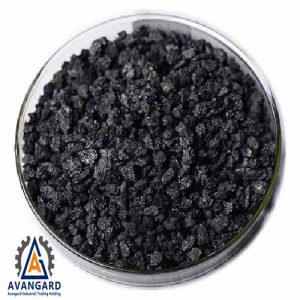
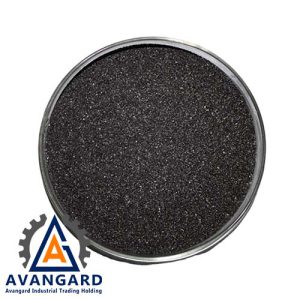
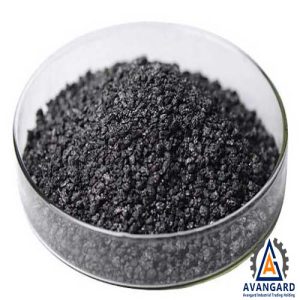


Graphite is one of the most important industrial materials, with wide applications in foundry operations, refractory products, battery manufacturing, and the electronics industry. The price of graphite is influenced by several factors, including the type of graphite, purity, flake size, mining and processing costs, as well as energy and transportation expenses.
Different types of graphite—such as natural flake graphite and synthetic graphite—have varying price ranges depending on their quality and end-use applications. These prices can typically range from around USD 300 to over USD 4,000 per metric ton.
The growing demand for high-purity graphite in lithium-ion battery anodes and advanced industrial applications has increased market pressure and led to notable price fluctuations in the global graphite market. Companies involved in the purchasing, trading, manufacturing, and production of graphite—such as Avangard—can make more strategic decisions regarding supply chain management and resource planning by having a precise understanding of these key parameters.

Factors Affecting Graphite Prices in Global and Domestic Markets
The key factors determining the price of graphite include the type of graphite (natural flake, amorphous, or synthetic), purity, flake size, processing and energy costs, as well as supply and demand conditions. High-purity Graphite with larger flake sizes is typically used in advanced applications such as lithium-ion battery anodes and, due to its more complex processing requirements, commands a higher price.
Standard-grade graphite is commonly used in refractory industries, lubricants, and foundry molds. Because it requires less complex processing, it is generally offered at a lower price. In addition, trade policies and export restrictions imposed by major producing countries such as China and Canada have a direct impact on final market prices. A precise analysis of these factors helps companies optimize their graphite purchasing and product sales while developing more effective production strategies.
Recent Graphite Price Trends and Future Outlook
In recent years, the graphite market has experienced significant price fluctuations. The average price of industrial graphite in the global market typically ranges between USD 570 and USD 870 per metric ton, depending on the type, purity grade, and country of origin.
The rapid growth in demand for battery-grade graphite in the energy sector and electric vehicle industry has put pressure on supply and driven prices upward. Export restrictions and trade policies in major producing countries have further intensified price volatility. Forecasts indicate that demand will continue to rise in the coming years, increasing the likelihood of higher prices for both high-purity and industrial-grade graphite.
Companies engaged in the trading and supply of graphite can benefit from detailed market analysis to design optimal procurement and sales strategies for foundry raw materials and various ferroalloys.
Graphite Buying and Selling Guide: How to Get the Best Price
When buying and selling graphite, accurately identifying the technical requirements, purity level, and flake size is essential, as these factors play a key role in determining the final price. Comparing prices from different producers and taking transportation costs and customs duties into account makes it possible to select the most competitive purchasing option.
Establishing long-term contracts with reliable suppliers helps reduce the risks associated with price volatility. Paying close attention to market trends—especially the rising demand for battery-grade graphite and industrial applications—enables companies to align their graphite production and manufacturing activities with market needs.
A detailed analysis of parameters such as raw graphite prices, processing costs, global demand, and logistical factors helps companies make more strategic decisions in their purchasing, sales, production, and manufacturing processes related to graphite.

Approximate Graphite Price Table in the Global Market (2026)
| Graphite Type | Purity (%) | Approximate Price (USD/ton) |
| Amorphous Graphite | 80–90 | 300 – 600 |
| Industrial Flake | 90–95 | 900 – 1,400 |
| High-Purity Graphite | 99+ | 2,000 – 3,200 |
| Ultra-High-Purity Graphite | 99.9+ | 3,000+ |
Key Points
- Graphite has extensive applications in foundry, refractory products, battery manufacturing, and electronics industries.
- Graphite prices vary depending on type, purity, flake size, and processing requirements.
- The growing demand for battery-grade graphite is one of the main drivers of price increases.
- Export restrictions and trade policies contribute to price fluctuations.
- Careful planning of graphite procurement and sales is essential for companies.
Conclusion
Graphite prices are influenced by type, purity, flake size, processing costs, and trade policies. A precise understanding of these factors is particularly important for companies like Avangard, which are involved in the purchasing, trading, manufacturing, and production of graphite. By analyzing market trends and selecting the appropriate type of graphite, companies can maximize the economic returns from this valuable material and optimize their production and sales strategies.
🏢 Avangard Industrial Trading Holding Company – A pioneer in supplying and manufacturing casting parts in the Middle East 🌍
📞 Phone: +98 912 022 8576
🌐 Website: En.Avangardholding.com


