 فارسی
فارسی  Arabic
  Russian

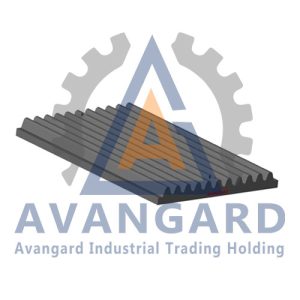
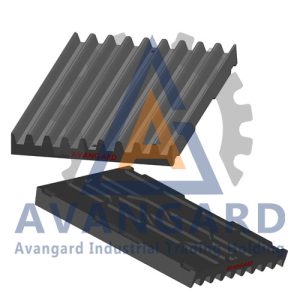
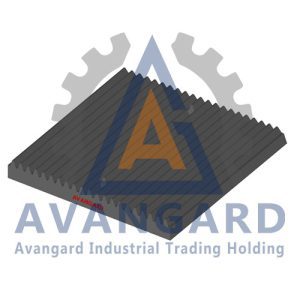
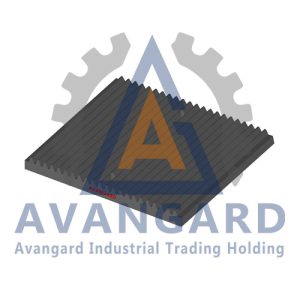
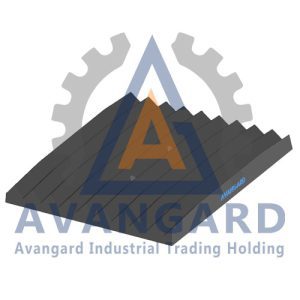
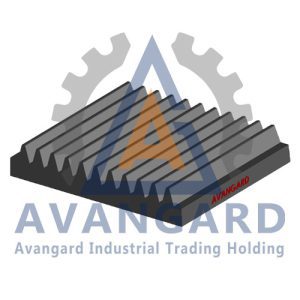
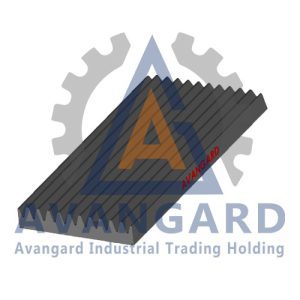
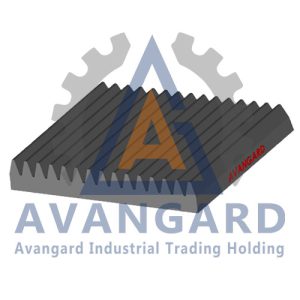
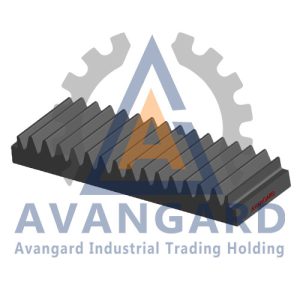
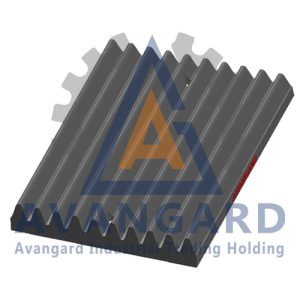

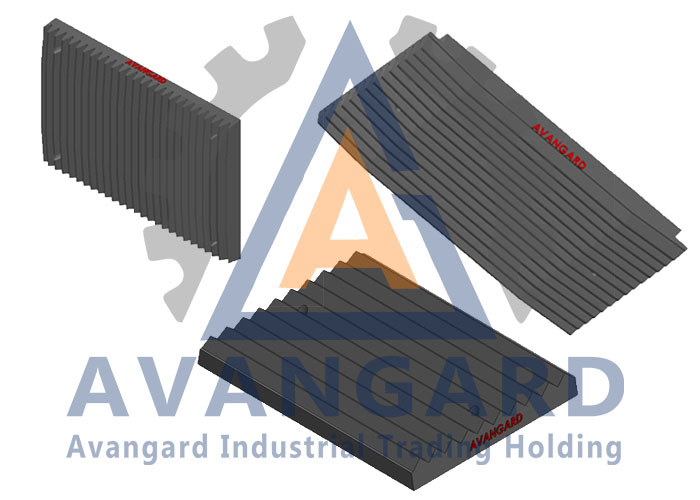
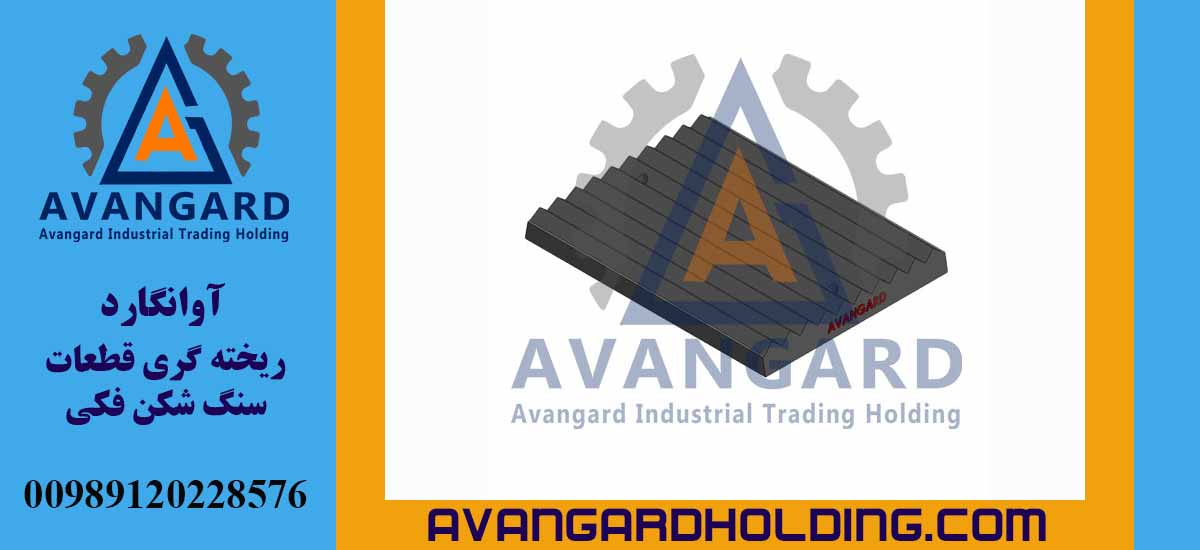
The fixed jaw plate is one of the key components in a jaw crusher, playing a vital role in the rock crushing process. This part, alongside the movable jaw plate, assists in crushing various types of rocks with different hardness levels. The fixed jaw plate acts as a stationary point, and with its raised and durable surface ridges, it helps in crushing large and hard stones.
While the movable jaw plate moves back and forth, pushing the rocks toward the fixed jaw, the ridges on the surface of the fixed jaw and the jaw clamp increase the pressure on the rocks, facilitating the crushing process.
The fixed jaw plate is made of durable materials and special alloys such as molybdenum and manganese to provide high resistance against impact and abrasion from rocks. The shape of the jaw plate closely resembles an animal’s jaw, which enables it to break large rock pieces into smaller sizes during crushing operations. This component is produced in various sizes and dimensions to match different types of jaw crushers and is considered an essential part of rock crushing machines.
It is worth mentioning that Avangard Company, based on the needs of your jaw crusher, can reverse engineer and map out the required jaw plate and deliver the final high-quality cast part thanks to its modeling and casting capabilities—serving you, esteemed industrial professionals.
Specifications of the Fixed Jaw Plate in a Jaw Crusher
The fixed jaw plate in jaw crushers is one of the main components in the rock crushing process and significantly affects the machine’s performance and efficiency. These jaw plates, due to their high resistance and long lifespan, play a crucial role in crushing hard and abrasive rocks and are considered among the most vital crusher components.
Material, dimensions, and durability of the fixed jaw plate are specifications that must be taken into account. Below, we will examine the specifications and key features of this component.
• Material Composition of the Fixed Jaw Plate
The fixed jaw plate is typically made of manganese steel or manganese-molybdenum alloy steel, which provides high resistance to wear and the pressure exerted by rocks. In some cases, Ni-Hard cast iron is also used in its construction, which performs well under specific working conditions, such as crushing extremely hard rocks. The use of these alloys, due to their greater strength and durability, leads to a longer service life of the equipment.
• Size of the Fixed Jaw Plate
The size of the fixed jaw plate varies based on the model and capacity of the jaw crusher. For instance, in smaller crushers used for processing smaller rocks, the jaw plates are correspondingly smaller. Conversely, larger crushers, designed for high-capacity operations and crushing large rocks, require larger jaw plates. Selecting the correct size of the jaw plate depends on the production capacity and operational needs of the device.
• Resistance of the Fixed Jaw Plate to Rock Hardness
Fixed jaw plates made from manganese steel and manganese-molybdenum alloy exhibit greater resistance against hard and abrasive materials such as iron ore and clinker. These materials are crucial for components that come into direct contact with hard substances. Choosing the appropriate jaw plate material based on the type of rock and expected wear plays a significant role in improving the crusher’s efficiency.
• Service Life and Durability of the Fixed Jaw Plate
Due to high production speeds and rapid wear, the fixed jaw plate requires periodic replacement. Using manganese-molybdenum alloy steel increases the durability and service life of the jaw plate and can delay the need for replacement. This feature enables the crusher to operate for longer periods with minimal maintenance requirements, continuing the crushing process effectively.
• Function of the Fixed Jaw Plate in Rock Crushing
In a jaw crusher, proper coordination between the fixed and movable jaw plates is essential for exerting pressure and crushing rocks. The fixed jaw plate, acting as the stationary surface, assists the movable jaw plate—through its reciprocating motion—to break rocks into smaller pieces.
Application of the Fixed Jaw Plate
The fixed jaw plate plays a crucial role in the primary crushing process within jaw crushers. Made of manganese steel or manganese-molybdenum alloy, it provides excellent resistance against the impact of hard and abrasive rocks due to its high strength. In a jaw crusher, the fixed jaw is positioned opposite the movable jaw, and the incoming rocks are placed between these two jaws. As the movable jaw reciprocates, it presses the rocks against the fixed jaw, crushing them into smaller pieces.
This process allows the rocks to be broken down and discharged as output material, ready for further processing. The application of the fixed jaw plate is particularly important in mining operations and crushing plants dealing with hard stones, as it significantly enhances both the efficiency and the service life of the equipment.
Types of Fixed Jaw Plates
Fixed jaw plates for jaw crushers are manufactured in various types and configurations, depending on the crusher model and operational requirements. These jaw plates vary in material composition and dimensions, and are selected based on the working conditions and nature of the input material.
Common types of fixed jaw plates include those made from high-strength alloys such as manganese steel and manganese-molybdenum alloy, which are ideal for crushing hard and abrasive stones. Some jaw plates are also designed with special ridges or grooves that facilitate the crushing process and enhance the overall performance of the crusher.
Fixed Jaw Plate
In conclusion, the fixed jaw plate is one of the essential components of a jaw crusher, playing a vital role in the crushing of hard and abrasive stones due to its high resistance to wear and impact. With extensive experience and technical expertise in the crushing and construction industry, Avangard Holding is capable of inspecting your site, creating precise blueprints of worn-out components, and modeling them accordingly.
Using high-quality raw materials and advanced casting techniques, Avangard performs the manufacturing of fixed jaw plates with the utmost accuracy. Additionally, heat treatment processes are applied to further enhance the strength and durability of the final product. Utilizing well-engineered, high-performance jaw plates not only improves the lifespan and efficiency of your crusher but also significantly reduces maintenance and replacement costs.
To purchase a fixed jaw plate or inquire about the fixed jaw plate price, please contact the sales team at Avangard Holding.
Avangard Industrial Trading Holding
📞 Contact Number: +989120228576
🌐 Website: en.Avangardholding.com


2 thoughts on “What is a Fixed Jaw Plate and What is Its Application?”
perfect
Thanks