 فارسی
فارسی  Arabic
  Russian



In the world of minerals and industrial materials, identifying the physical properties of a substance plays a vital role in selecting manufacturing methods, designing components, and predicting their durability. One of the most important indicators in the mining, construction, and foundry industries is the Mohs Hardness Scale.
Introduced in 1812 by the German geologist Friedrich Mohs, this scale is a simple yet practical tool used to determine a material’s resistance to scratching.
In this article by Avangard Holding, we will take an in-depth look at the Mohs scale, its application in industrial settings, and its relevance in the production of crusher components, construction machinery parts, and alloy casting. Additionally, we will examine its significance in reverse engineering processes and in selecting suitable raw materials for casting.
What Is the Mohs Hardness ؟
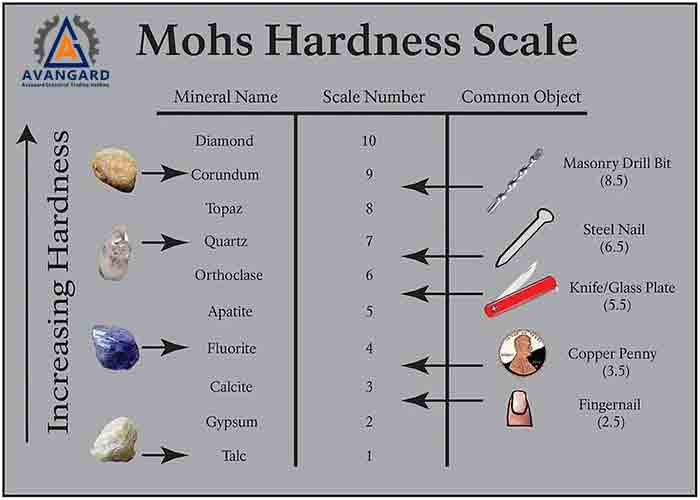
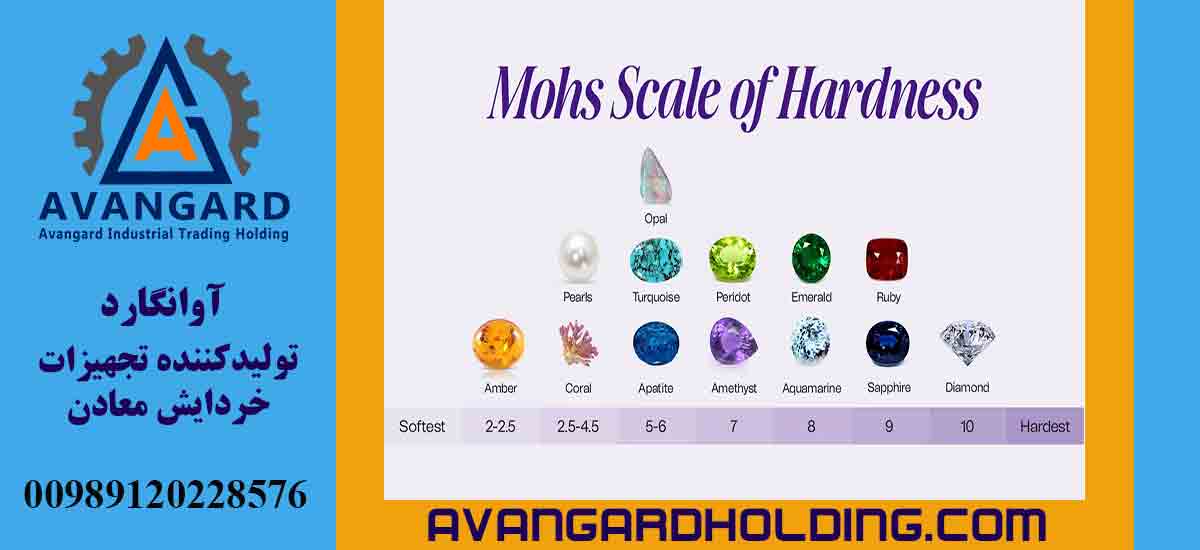
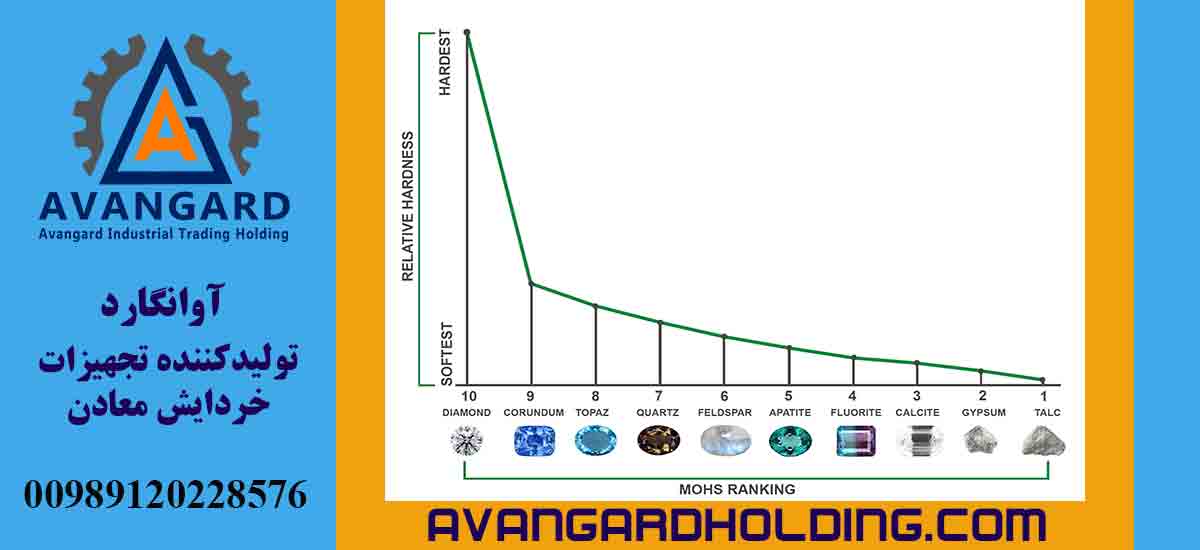
The Mohs Hardness Scale is composed of 10 minerals, ranked based on their resistance to scratching—from the softest, Talc (hardness level 1), to the hardest, Diamond (hardness level 10). For example, if a material with a hardness of 7 can scratch another material rated at 6, this indicates that the first material is harder
| Hardness | Mineral English Name |
| 1 | Talc |
| 2 | Gypsum |
| 3 | Calcite |
| 4 | Fluorite |
| 5 | Apatite |
| 6 | Orthoclase |
| 7 | Quartz |
| 8 | Topaz |
| 9 | Corundum |
| 10 | Diamond |
Applications of the Mohs Hardness Scale in the Mining and Crushing Industry
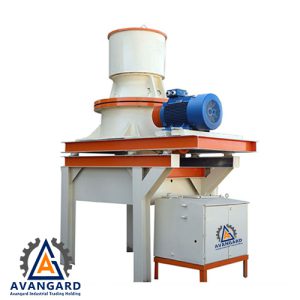
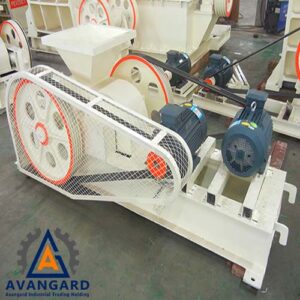
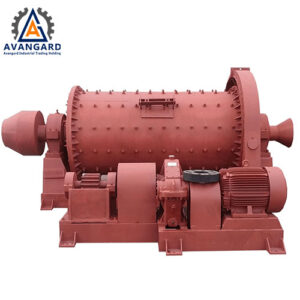
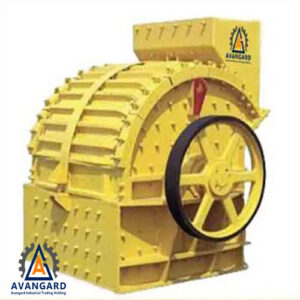
In industries such as mining and aggregate production, equipment like the Hydrocone Crusher, Jaw Crusher, and Sand Maker comes into direct contact with hard minerals. Therefore, selecting the right materials for manufacturing spare and wear parts must be based on high abrasion resistance.
For example:
- When producing ground-engaging tools and undercarriage parts(Loader Teeth and Undercarriage Parts)—such as loader teeth, excavator adaptors, or crusher hammers—it is essential to use alloys with a hardness higher than Quartz (hardness 7 on the Mohs scale).
- In alloy cast iron production, materials such as Ni-Hard 4, high-chromium cast iron, and Hadfield steel (also known as high-manganese steel) are widely used. These alloys exhibit exceptional hardness and perform effectively against abrasive mineral materials.
The Role of the Mohs Hardness Scale in Casting and Alloy Selection
In industrial casting, understanding the required hardness level of a component for its operational environment enables materials engineers to select the most suitable alloy and optimize the casting process.
For instance:
- Components that are in constant contact with hard rock and abrasive materials must exhibit high resistance to wear, scratching, and impact.
- The decision between using alloy steel, wear-resistant steel, or abrasion-resistant cast iron is made by evaluating the required hardness—often referencing the Mohs scale for guidance.
- Additionally, in reverse engineering processes, one of the key steps is determining the hardness of the original component, to ensure accurate replication during prototyping or remanufacturing.
Comparing the Mohs Scale with Other Hardness Scales
While the Mohs scale is useful for comparing the hardness of minerals, it is not precise enough for detailed industrial measurements. In professional and engineering applications, more accurate hardness tests are commonly used, such as:
- Rockwell Hardness (HR)
- Vickers Hardness (HV)
- Brinell Hardness (HB)
Nevertheless, the Mohs scale remains a valuable quick reference tool for material identification, especially in mines and mineral processing plants, where fast, on-site assessments are often required.
Mohs Hardness and Avangard Components: A Precise, Engineered Choice
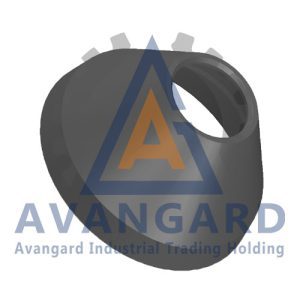
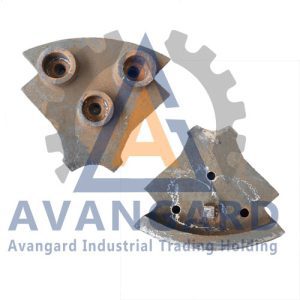
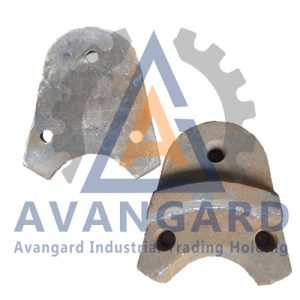
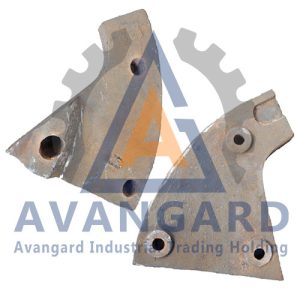
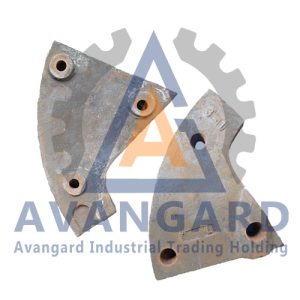
Avangard Industrial Trading Holding, with over two decades of experience in the production and supply of (Cast Parts)cast crusher parts, construction and industrial machinery components, and the design and manufacturing of crushing and screening equipment, utilizes the Mohs hardness scale as a core criterion in material selection and alloy design.
By applying this scientific approach, Avangard has successfully developed high-quality, long-lasting components that meet the demanding operational conditions of the mining, construction, and heavy industry sectors.
Avangard’s Specialized Services Include:
- Production of high-resistance components with superior wear and corrosion resistance
- Precision casting using engineered modeling and simulation techniques
- Material hardness analysis based on the Mohs Hardness Scale
- Manufacturing of custom alloy parts in compliance with international standards
Conclusion and Final Summary
The Mohs Hardness Scale, as a key tool for analyzing and identifying material resistance, plays a significant role in engineering and industrial processes. In industries such as mining, construction, and industrial parts manufacturing, paying close attention to material hardness can extend the lifespan of components and improve system efficiency.
Leveraging its technical expertise and valuable experience, Avangard Holding is now recognized as one of the pioneers in the production, manufacturing, and sales of industrial and mining equipment and parts in Iran. If you are seeking the best prices, expert consultation, or custom manufacturing of durable parts with specific hardness requirements, Avangard is ready to provide optimal, fast, and reliable services.
For consultation or inquiries about pricing for crusher parts, special alloys, and raw casting materials, please contact us through our official website en.avangardholding.com or by phone at +98 912 022 8576.
🏢 Avangard Industrial Trading Holding – A Leading Supplier and Manufacturer of Mining Equipment in the Middle East 🌍
📞 Contact Number: +98 912 022 8576
🌐 Website: en.avangardholding.com


