 فارسی
فارسی  Arabic
  Russian

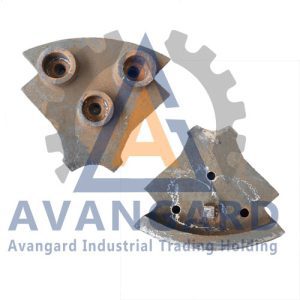
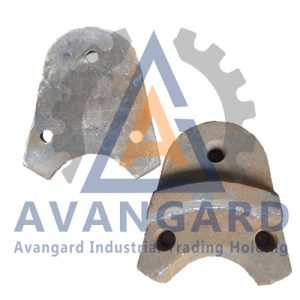
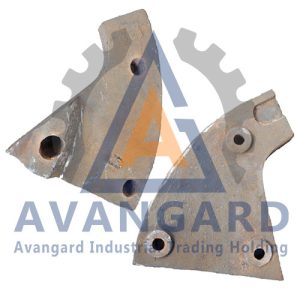
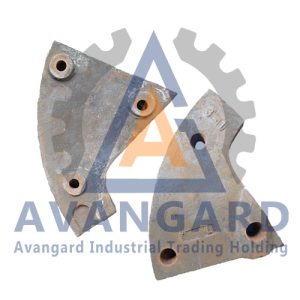
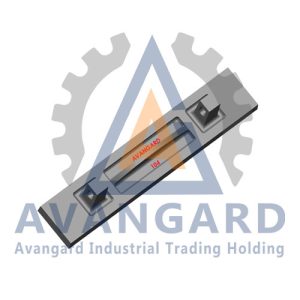
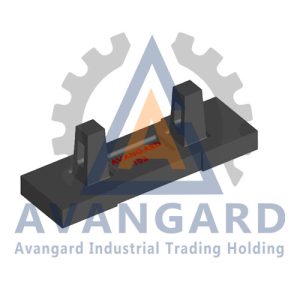
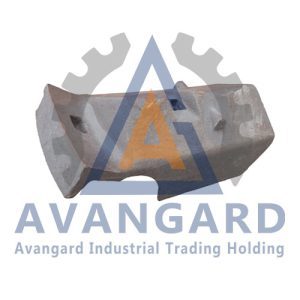
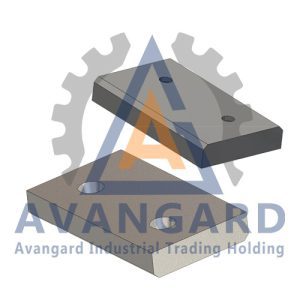
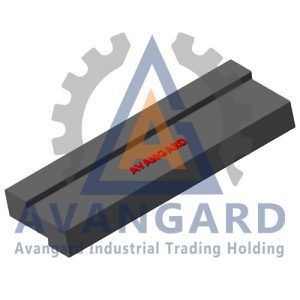
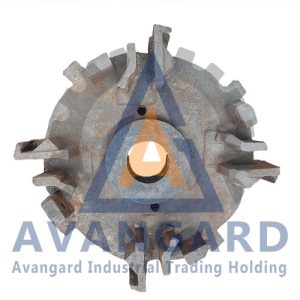

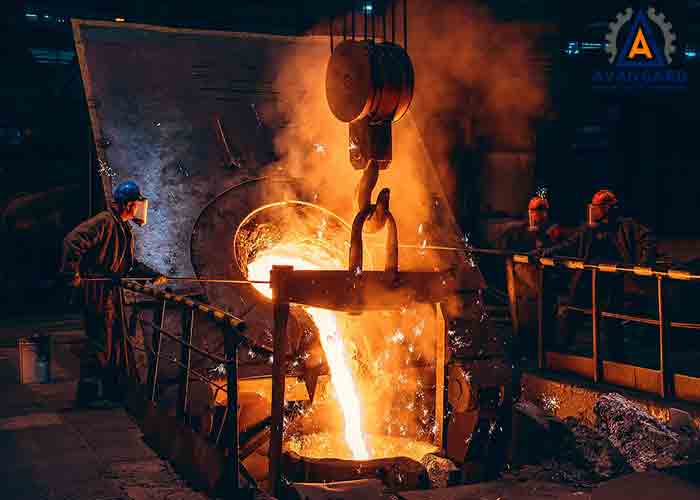
Sand Casting is one of the oldest and most widely used methods for producing metal parts. This process allows metals to be shaped without the need for advanced equipment. In sand casting, molten metal is poured into cavities of a sand mold, and through specialized steps, metal components of various shapes and sizes are manufactured. Due to its ability to enable mass production at relatively low costs, sand casting remains one of the most commonly applied processes in the metallurgical industry. For a deeper understanding, you can also explore our comprehensive article on “What is Casting?”.
Advantages of Sand Casting
According to the latest statistics from international organizations, more than 70% of all cast metal parts(Casting Products) worldwide are produced using sand molds. The flexibility of this method allows the design and manufacturing of components in a wide range of shapes and sizes, making it an ideal choice for metallurgical workshops and foundries. Some of the key advantages of sand casting include:
- Design Flexibility: Ability to produce a wide range of sizes and shapes with high design freedom.
- Complex Components: Capability to create intricate geometrical features in metal parts.
- Material Versatility: Almost all engineering alloys can be cast using this method.
- Cost Efficiency: Minimal need for expensive tools and equipment.
- Process Speed: Suitable for both short-run production and large-scale manufacturing with reduced lead times.
Disadvantages of Sand Casting
Despite its numerous advantages, sand casting also has certain limitations that should be carefully considered before selecting this method. The most notable disadvantages include:
- Lower Material Strength: Due to the high porosity of sand molds, the produced parts may exhibit lower strength compared to components manufactured by other casting methods.
- Process-Dependent Quality: The success of production largely depends on the precision and skill of technicians in executing each stage of the casting process.
- Post-Processing Costs: In many cases, additional finishing operations are required to improve the strength and final quality of the metal, which can increase overall production costs.
Applications of Sand Casting in Industry
The wide range of applications and the ability to produce metal parts in various sizes and shapes have made sand casting the first choice for many metallurgical workshops and foundries. With this method, components can be manufactured in diverse dimensions and at competitive costs, without limitations on production capacity or part size.
Various industries—including mining, construction, marine, railway, agriculture, and farm equipment manufacturing—utilize sand casting to produce essential components.
Examples of parts produced using sand casting include:
- Air compressor pistons
- Bearings
- Blowers and impellers
- Bronze–nickel–aluminum fittings for boat and ship hulls
- Bushings and cams
- Burner and grill equipment
- Electronic components
- Crankshafts and engine oil pans
- Gears and diesel flywheels
- Gas and oil tanks
- Low-pressure valves and industrial fittings
- Mining machinery and automotive components
- ICE engine blocks
- Printing machines and pump housings
- Pump pistons and automotive brake discs
- Nuts, bolts, and truck/trailer chassis parts
- Valves, water jackets, and crankshafts
- Jewelry in both precious and common metals
With this broad scope of applications, sand casting clearly demonstrates itself as an economical, flexible, and highly efficient method for producing diverse metal parts across multiple industries.
Sand Casting Process and Stages
Sand casting is a precise, multi-stage process that begins with heating the metal to its melting point and, if necessary, adjusting its chemical composition to achieve the desired properties. Once the metal becomes molten, it is poured into a mold cavity shaped according to the final product. This method typically uses a two-part mold consisting of the cope and drag, which are placed inside a frame known as a flask.
To create the mold, the product pattern is first pressed into the sand, leaving an impression of its shape. Channels called gates and risers are then added to control the flow of molten metal and allow gases to escape. After pouring, the molten metal solidifies inside the mold until it takes its final form. Finally, the mold is opened and the excess material around the casting is removed.
At Avangard Holding, by strictly adhering to every step of the sand casting process and complying with global quality standards, we consistently deliver high-performance castings tailored to meet our customers’ needs.
Key Stages of Sand Casting
The most important steps of the sand casting process include:
- Placing the pattern into the sand mold
- Setting up the gating system to guide molten metal flow
- Removing the pattern after forming the cavity
- Pouring molten metal into the mold cavity
- Allowing the metal to cool and solidify
- Breaking the mold and retrieving the final casting
When executed with precision, this method enables the production of metal components in a wide variety of dimensions and complexities, making it one of the most cost-effective processes for industrial manufacturing.
Critical Factors in Sand Casting for Enhanced Quality and Cost Reduction
Metallurgical plants and foundries employ sand casting to manufacture metal parts according to their production techniques and internal standards. However, in order to achieve high accuracy, optimal quality, and reduced production costs, attention to several key factors is essential.
Key Factors Influencing Sand Casting Quality and Cost Efficiency
The most critical factors to consider in sand casting include:
- Draft Angle: Determining the appropriate draft angle on the pattern to facilitate easy removal of the part from the mold.
- Parting Line: Designing the mold’s parting line correctly to minimize surface defects and improve dimensional accuracy.
- Undercuts and Cores: Identifying and controlling undercuts while optimizing the use of cores to maintain the desired part geometry.
- Section Thickness: Analyzing metal cross-sections to prevent porosity and ensure sufficient strength.
- Sand Layer Thickness: Selecting the proper thickness of sand layers to achieve a stable and durable mold.
- Gating System Design: Precisely designing gating and connections to guide molten metal flow and prevent casting defects.
- Additional Casting Costs: Managing and minimizing post-production expenses through proper planning.
By addressing these factors, foundries and metallurgical plants can optimize the sand casting process, achieving high-quality components while maintaining cost efficiency.
Main Components in Sand Casting
The final quality of parts produced through sand casting largely depends on understanding and applying the fundamental components of this traditional process. Sand casting is suitable for manufacturing nearly all alloys, including aluminum, brass, cast iron, steel, nickel, and titanium. Familiarity with these key elements allows for the production of high-quality, precise components at mass-production capacities.
Key Components of Sand Casting
The most important components of the sand casting process include:
- Cope and Drag: The upper (cope) and lower (drag) sections of the mold that form the basic arrangement of the sand casting setup.
- Riser (Feeder): A reservoir that prevents shrinkage by supplying additional molten metal during solidification.
- Runner: A channel with a tapered diameter that directs molten metal toward the mold cavity.
- Mold: The sand cavity, created from the product pattern, which defines the final shape of the casting.
- Core: An insert placed inside the mold cavity to create internal features such as holes or internal passages in the casting.
- Gate: The entry point through which molten metal flows into the mold cavity, regulating its movement.
- Sand: The primary material used to form the mold, providing both shape and stability to the casting.
- Binders: Substances such as clay, resins, oils, or sodium silicate that hold the sand grains together and increase mold strength.
Proper understanding and utilization of these elements ensure the production of metal parts with high quality and precise dimensions, playing a critical role in the success of the sand casting process.
Types of Sand Casting
- Green Sand Molds Green sand molding is the oldest and most traditional method of producing metal parts using sand. In this process, a mixture of sand, clay, and water is used to form the mold. This technique provides good flexibility in mold setup, easy pattern removal, and dimensional stability. Green sand molds are widely used across industries such as aerospace, automotive, and general manufacturing. Due to their ease of implementation and cost-effectiveness, they remain one of the most popular sand casting methods.
- Cold Setting In the cold setting method, chemical binders are used instead of conventional binders that require heat curing. This increases the hardness of the sand mold at room temperature, eliminating the need for high-temperature curing and enabling faster mold production. Cold setting is particularly suitable for applications that demand high dimensional accuracy and intricate details in the casting.
- Shell Molding – A Non-Thermal Sand Casting Process Shell molding, which uses sodium silicate, is a relatively modern sand casting technique for mass production of metal parts. In this method, the molding mixture consists of fine, dry silica sand with minimal clay and 3–8% thermosetting resin (such as phenol-formaldehyde or silicone grease). When this mixture is applied onto a heated pattern plate, a hard shell approximately 6 mm thick forms. To fully cure the shell, the mold is heated for several minutes at 440–650°F (227–343°C). This method produces smooth and precise mold cavities, offering excellent surface quality, making it ideal for sensitive components such as medical instruments, aerospace parts, and other precision applications.
- Dry Sand Molding In the dry sand molding technique, clay is used with a very small amount of water, and the mold is formed at temperatures between 150–300°C (302–572°F). By removing moisture from the sand, the volume of gas generated when molten metal enters the cavity is reduced, and the mold becomes more rigid. This method also allows for long-term storage of molds and is particularly suitable for producing components that require higher mold strength.
Choosing the appropriate sand is crucial for achieving high-quality castings in sand casting processes. The most important types of sand used in this method include:
Types of Sand in Sand Casting
- Silica Sand (SiO₂): The most commonly used sand in casting, known for its low cost and easy availability, widely applied across various industries.
- Zircon Sand (ZrO₂·SiO₂): Produced from a combination of igneous and metamorphic rocks, offering high thermal resistance and stability.
- Chromite Sand (FeCr₂O₄): Features excellent heat transfer capabilities and a high melting point, ideal for molds sensitive to high temperatures.
- Olivine Sand ((2MgO·SiO₂) + (2FeO·SiO₂)): Provides quality between zircon and silica sands, suitable for medium-duty applications and also for Hadfield steel
- Chamotte Sand (3Al₂O₃·SiO₂): Higher quality than silica sand, used for producing parts that require superior precision and surface quality.
Selecting the right type of sand—based on the metal’s melting temperature, part complexity, and production conditions—directly affects the casting’s quality, dimensional accuracy, and mold longevity.
Types of Sand in Sand Casting
| Sand Type | Chemical Formula | Features | Applications |
| Silica Sand | SiO₂ | Widely used, low cost, easily available | General industries, simple molds |
| Zircon Sand | ZrO₂·SiO₂ | High thermal resistance, excellent stability | Heat-exposed molds, sensitive industries |
| Chromite Sand | FeCr₂O₄ | Excellent heat transfer, high melting point | High-temperature components, durable molds |
| Olivine Sand | (2MgO·SiO₂) + (2FeO·SiO₂) | Medium quality between zircon and silica | Medium-duty parts, casting crusher components(Casting of Crusher Parts) |
| Chamotte Sand | 3Al₂O₃·SiO₂ | High-quality, durable | Precision parts, high-quality molds |
Avangard: A Trusted Provider of Casting Services
Choosing a reliable and leading center for the production of metal components is one of the essential requirements for industries and workshops. The best provider should not only utilize modern casting techniques but also have the capability to support the production of a wide range of metals.
Avangard Holding, as one of the top foundries in the country, offers comprehensive professional services with full expertise in pattern making and casting processes. These services include an online order management system, specialized consultation for material selection and manufacturing methods, quality assurance, strict inspection of parts, and even a money-back guarantee if the product quality does not meet expectations.
By leveraging Avangard’s services, clients can benefit from a professional and reliable experience in metal component production, confidently taking their orders from design to completion. For more information and specialized consultation, please contact +98 912 022 8576.
🏢 Avangard Industrial Trading Holding – A Leader in Casting Parts Supply and Production in the Middle East 🌍 📞 Phone: +98 912 022 8576 🌐 Website: En.Avangardholding.com


