 فارسی
فارسی  Arabic
  Russian


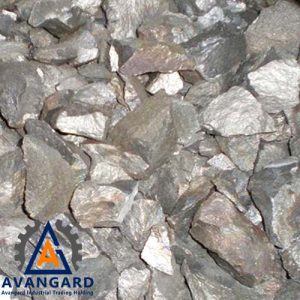
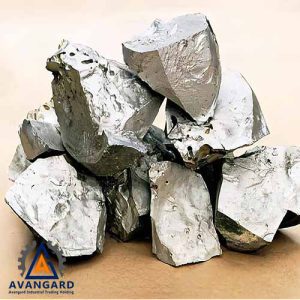
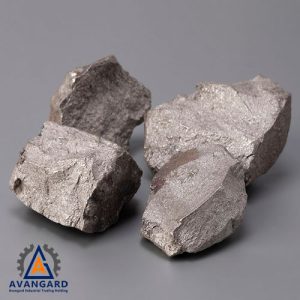
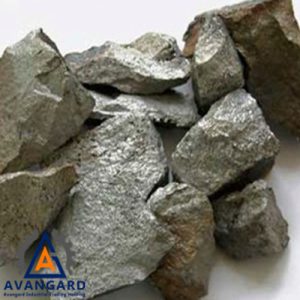
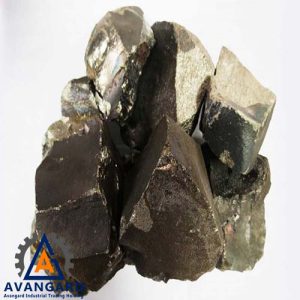
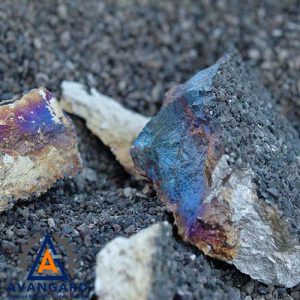
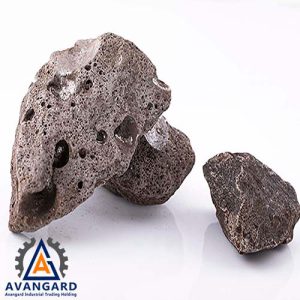
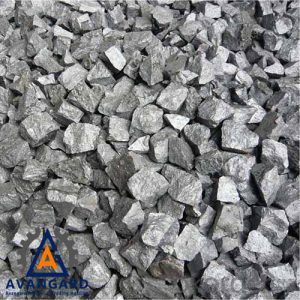

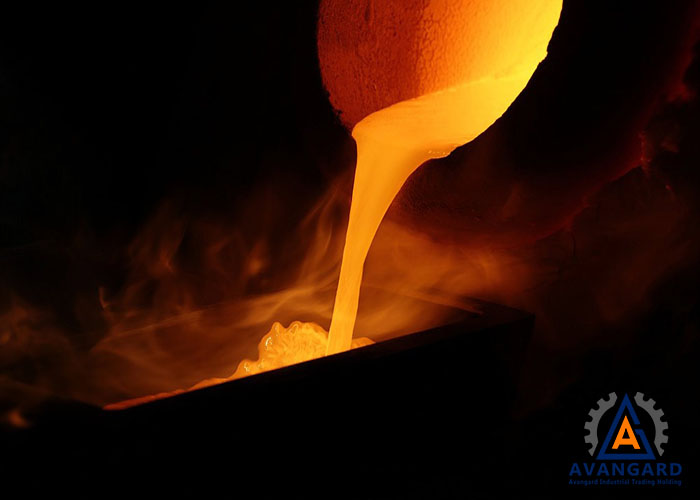
Gold casting is a process in which gold metal is melted at high temperatures and poured into specialized molds to form the desired shape. This technique serves as the foundation for producing a wide range of jewelry and precision Gold components, ensuring that the final products are crafted with intricate details and high quality.
Common Methods of Gold Casting
In jewelry making, several gold casting methods are used, each with its own advantages and specific applications:
- Sand Casting
In this traditional method, the mold is created by compressing sand around the piece, and molten gold is poured into it. Sand provides simplicity and repeatability in the process, making it very common for producing coins and medallions. While this method is cost-effective, careful execution is essential to maintain the quality of the pieces. - Centrifugal Casting
Using the centrifugal force of a specialized machine, molten gold is directed into the mold. This method allows for the production of precise and highly detailed components and is suitable for mass production. However, it requires experienced operators and proper equipment maintenance. - Lost Wax Casting (Investment Casting)
The piece is first modeled in wax and then placed inside a plaster mold. When heated, the wax is melted out, and molten gold is drawn into the mold under vacuum. After cooling, the mold is broken, and the piece is ready for final finishing. This method offers high precision and quality and is highly favored by jewelers. - Induction Casting
In this method, gold is melted using an induction machine and argon gas. Induction casting enables the production of complex components with excellent quality, but it requires advanced equipment and technical expertise. - 3D Printing Assisted Casting
In this approach, the jewelry design is first created in software, and a wax or resin model is produced using a 3D printer. Traditional casting steps are then performed on the printed model. This method provides faster production, higher accuracy, and greater design flexibility, making it ideal for custom orders.
Comparison of Different Gold Casting Methods: Features and Applications
| Casting Method | Features | Applications | Advantages | Disadvantages |
| Sand Casting | Mold is made by compressing sand | Production of coins, medallions, and simple parts | Simple, low cost, repeatable | Requires high precision, less detailed compared to advanced methods |
| Centrifugal Casting | Uses centrifugal force to direct molten gold | Mass production of precise components | High detail, suitable for mass production | Requires experience and equipment maintenance |
| Lost Wax Casting | Uses a wax model and plaster mold, vacuum used to pour gold | Precise and complex jewelry | High accuracy and quality, clean output | Time-consuming, requires high skill |
| Induction Casting | Gold melted using an induction machine and argon gas | Complex and professional components | Excellent quality, capable of producing intricate designs | Expensive equipment, requires technical expertise |
| 3D Printing Assisted Casting | Wax or resin model is printed, then casting is performed | Custom orders and complex designs | High speed and accuracy, design flexibility | Requires digital equipment and design skills |
Main Stages of Gold Casting
Regardless of the chosen method, the general process typically includes the following steps:
- Designing and modeling the initial prototype
- Creating the mold using plaster or specialized rubber
- Removing the wax model by heating
- Pouring molten gold into the mold
- Cooling and separating the mold
- Final finishing and preparing the piece
By carefully following these steps and combining experience with precision, high-quality jewelry with unique beauty can be achieved.
Advantages and Disadvantages of Gold Casting
Advantages:
- Mass production in a short time
- High precision in details
- Wide variety in design
- Reduced waste and reuse of gold
- Cost savings in production
Disadvantages:
- Requires expensive equipment, especially for centrifugal and induction methods
- High sensitivity to temperature and pressure control
- Dependence on the quality of raw materials
- Requires technical skill and experience
- Equipment maintenance and servicing costs
Why Choosing the Right Partner Matters
In jewelry production, precision and quality in casting are of utmost importance. Selecting a reputable and experienced center, such as Avangard, ensures that your pieces are produced accurately, flawlessly, and according to the desired design. Online ordering, adherence to standards, and reliable product delivery are the key benefits that Avangard Holding provides for jewelers.
🏢 Avangard Industrial Trading Holding – A Leader in Casting Parts Supply and Production in the Middle East 🌍
📞 Phone: +98 912 022 8576
🌐 Website: En.Avangardholding.com


