 فارسی
فارسی  Arabic
  Russian

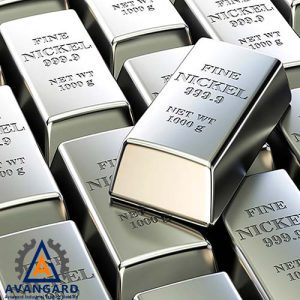
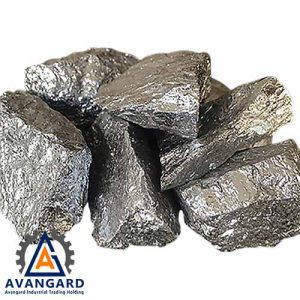
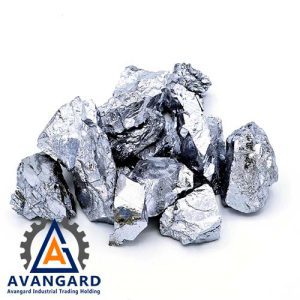
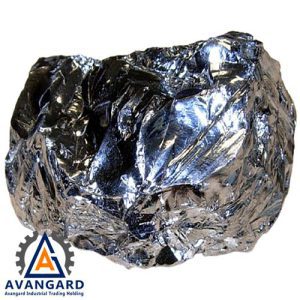
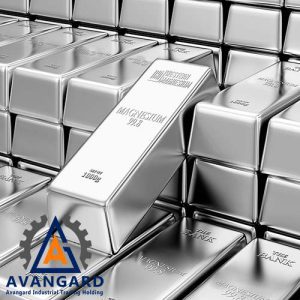


In the metal casting process, one of the main challenges is the removal of impurities and ensuring the quality of the molten metal before pouring it into the mold. Surface slags, formed from metal oxides, impurities, and unwanted compounds, can cause defects in the final casting—such as porosity, scaling, or reduced strength—if not properly controlled. In this context, slag removers (or casting flux) are highly effective auxiliary materials used to clean the molten surface and collect slags.
Composition and Nature of Slag
Slag is a combination of natural and chemical minerals, produced in powder or granule form. Its composition typically includes alkaline oxides, carbonates, fluorides, and silica, which react upon contact with the molten metal and form a fluid layer on the surface.
The primary function of slag is to absorb impurities and assist in separating the slag from the molten metal, forming a light and easily removable layer after melting.

In the steel and cast iron casting industry, slags are generally divided into two main categories:
| Type of Slag | Main Composition | Application |
| Basic Flux (Alkaline Slag) | Calcium oxide (CaO), Calcium fluoride, Magnesia | Suitable for low-carbon steels and stainless steels |
| Acidic Flux | Silica, Borax, Feldspar | Suitable for alloy cast irons and high-carbon steels |
The Role of Slag in Steel and Cast Iron Casting
The use of slag is not limited to cleaning the surface of the molten metal; it also plays a crucial role in controlling the thermal conditions and chemical composition of the melt. Some of its most important functions include:
- Collecting Slag and Oxides: Slag quickly spreads over the surface of the molten metal, absorbing unwanted oxides such as iron oxide, silica, and manganese.
- Preventing Secondary Oxidation: By forming a protective layer on the molten surface, slag reduces contact with air and minimizes secondary oxidation.
- Improving Fluidity and Surface Quality: Presence of slag during the final stage of melting helps the molten metal flow better into the mold, preventing porosity and gas bubbles.
- Enhancing Chemical Composition: Certain slags contain additives that can adjust the ratio of alloying elements or reduce impurities such as sulfur and phosphorus.
Advantages of Using Slag in Industrial Casting
Proper application of slag provides multiple benefits for foundries, including:
- Reducing waste and improving molten metal efficiency
- Lowering energy consumption by preventing surface heat loss
- Enhancing the surface quality of cast parts
- Facilitating easier separation of slag from molten metal
- Extending the lifespan of ladles and furnace refractories
Therefore, selecting the appropriate type of slag according to the alloy type and melting conditions has a direct impact on the final Casting Part quality and process efficiency.
Key Points for Using Slag
To achieve maximum efficiency, observing several key points when using slag is essential:
- Gradually adding slag during melting ensures more uniform performance.
- The optimal temperature for slag effectiveness is typically between 1400°C and 1600°C.
- Avoid excessive stirring of the molten metal while the slag is active to prevent the protective layer from being disrupted.
- After the reaction is complete, the slag must be fully removed from the molten surface.
Supplying Casting Slag from Avangard Holding
In the steel and cast iron casting industries, the quality of slag directly affects the final quality of cast parts. Avangard Industrial Trading Holding, leveraging extensive technical experience in supplying foundry raw materials, provides a range of slags with controlled chemical composition and high efficiency.
Products offered by Avangard comply with international standards and are fully suitable for use in induction furnaces, melting ladles, and heavy industrial casting operations.
Conclusion
Slag is a key material in the casting process of steel and alloyed cast irons. By removing impurities, controlling surface reactions, and improving the quality of the molten metal, slag plays a critical role in enhancing both process efficiency and final casting quality.
Selecting the appropriate slag and sourcing it from reputable suppliers is an effective step in increasing productivity and reducing waste in melting and casting operations. In this regard, Avangard Holding, as a trusted supplier of foundry raw materials, is ready to collaborate with manufacturing and industrial units nationwide to supply slag and other auxiliary melting materials.
🏢 Avangard Industrial Trading Holding Company – A pioneer in supplying and manufacturing casting parts in the Middle East 🌍 📞 Phone: +98 912 022 8576 🌐 Website: En.Avangardholding.com


