 فارسی
فارسی  Arabic
  Russian


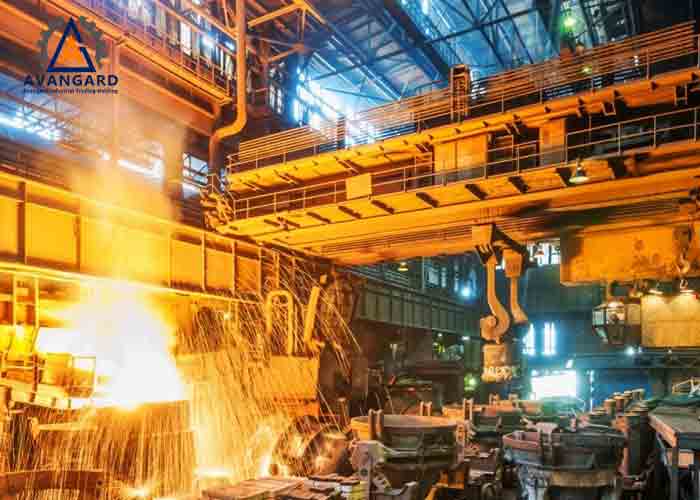
Foundry engineering is recognized as one of the most precise and efficient industrial manufacturing processes, capable of producing high-quality components with relatively low energy consumption. This advanced industrial discipline covers a wide range of applications and, due to its unique advantages and characteristics, plays a vital role across various industries.
For a more in-depth understanding of this field, its methods, and its applications, you can refer to our specialized article titled “What Is Casting?”
Among the various casting techniques, some methods — such as sand casting — utilize single-use molds, while others rely on permanent molds that can be reused multiple times. The use of permanent molds allows manufacturers to produce industrial components in high volumes while significantly reducing both energy consumption and pollutant emissions.
The following sections explore three key principles for achieving green and sustainable foundry practices, which can guide industrial production toward an environmentally responsible process.
Reducing Material and Energy Consumption in Green Casting
In certain casting methods, the equipment and tools used can be reused multiple times. For instance, permanent mold casting enables the production of thousands of components using a single mold.
This capability dramatically reduces the consumption of energy and raw materials needed to produce new molds. As a result, it becomes possible to manufacture industrial parts with minimal carbon emissions, making the entire production process significantly more sustainable and eco-friendly.
Reusability of Molds in Green Foundry Processes
In foundry operations, molds that have reached the end of their service life can often be repurposed for other production processes. This feature allows for the reuse of molds without the need for recycling or disposal. With proper modifications, molds can be adapted for manufacturing larger or more complex components.
Moreover, redesigning and reusing molds significantly reduces the energy and raw materials required for creating new molds, resulting in a more sustainable and resource-efficient production cycle.
Recyclability of Molds
Recyclability is another core principle of green casting. Through mold recycling, the raw materials used in casting can be reintegrated into the production cycle, preventing the unnecessary waste of valuable resources.
This approach not only lowers manufacturing costs but also minimizes the environmental footprint of the foundry process, guiding industrial production toward true sustainability.
Green Sand Casting: A Sustainable Foundry Method
Green sand casting is one of the modern techniques used in the production of metal components. It employs green sand (also known as “wet sand”), which allows molds to be reused multiple times. After molten metal is poured, the molds dry out and the solidified parts can be easily separated.
Unlike conventional methods—where sand is mixed with various polymers, making the molds single-use—this technique enables multiple reuse cycles of the same sand molds.
Using green sand casting, a wide range of industrial components can be manufactured — from automotive engine blocks and ship components to domestic pump parts.
Studies show that approximately 43% of all cast components produced in the United States are made using green sand molds.
One of the most notable advantages of this method is its high production speed and simplicity, which lead to a significant reduction in production costs and a remarkable increase in manufacturing efficiency.
Below is a table showing the composition of green sand, providing a clearer understanding of its structural makeup and function in sustainable casting.
| Material | Percentage |
| Silica Sand | 85.00% |
| Water | 4.00% |
| Bentonite Clay | 11.00% |
Although green sand can be reused multiple times in the casting process, some companies—primarily for economic reasons—prefer to prepare a fresh mixture for each production cycle.
In such cases, the remaining sand from previous processes can be safely returned to the environment without causing ecological harm. Typically, these sands are disposed of in desert areas or along coastlines, where they naturally decompose and reintegrate into the ecosystem without generating any negative environmental effects.
Green Casting of Aluminum Alloys
Aluminum alloys are widely used in the production of industrial cast components. Therefore, adopting green and sustainable casting techniques for these alloys can have a significant impact on reducing both energy consumption and pollutant emissions.
Since aluminum component manufacturing accounts for a considerable share of global carbon dioxide emissions, the implementation of green foundry practices represents an environmentally responsible and energy-efficient approach to industrial production.
The following section outlines the key features and advantages of this eco-friendly technique.
Energy Consumption, Emissions, and Waste Management
Manufacturing aluminum alloy castings requires)Cast Parts( substantial energy input, particularly during the metal melting stage. This process often leads to the release of large amounts of greenhouse gases, which can be significantly reduced by incorporating renewable energy sources into the foundry operation.
In addition, the toxic emissions and airborne particulates generated during casting must be properly filtered and neutralized to maintain environmental sustainability.
Industrial by-products — including wastewater and solid residues — can be recycled or reprocessed through clean production strategies, allowing them to re-enter the manufacturing cycle.
By doing so, the overall environmental impact of foundry operations can be minimized while maintaining high production efficiency and quality.
Sustainable Methods for Casting Aluminum Alloys
To achieve a truly green aluminum alloy casting process, various sustainable techniques and engineering practices can be employed. These methods help minimize negative environmental impacts while enabling cleaner and more efficient production.
- Utilization of Recycled Aluminum
Using recycled aluminum significantly reduces energy consumption and pollutant emissions during the casting process. Moreover, it eliminates the need for energy-intensive and complex aluminum ore extraction, thereby contributing to the conservation of natural resources and promoting a circular economy.
- Adoption of Renewable Energy Sources
Manufacturing facilities can lower their carbon dioxide emissions by transitioning to renewable energy sources such as solar, wind, or hydropower.
The use of renewable energy not only reduces environmental impact but also leads to long-term cost savings through improved energy efficiency and reduced dependency on fossil fuels.
- Implementation of Waste Reduction Strategies
Waste management strategies, including the recycling of pollutants and reduction of production residues, play a crucial role in achieving green casting.
These systems are designed according to international environmental standards, ensuring both reduced ecological footprint and a sustainable future for the foundry industry.
Key Features of Green Casting
The green casting process offers a wide range of features and advantages that distinguish it from conventional casting methods. One of its most notable benefits is the significant reduction in energy consumption, which decreases dependency on fossil fuels and supports global sustainability goals.
Other key characteristics of green casting include:
- Use of advanced technologies and equipment that minimize energy consumption, waste generation, and material losses.
- Application of high-performance molds and alloy systems that optimize casting efficiency while improving product quality and line productivity.
- Implementation of intelligent water-cooling systems that reduce water usage and control pollutant emissions through efficient thermal management.
- Adoption of clean and renewable energy sources to minimize environmental impact.
- Prevention of carbon and toxic emissions, reducing harmful effects on air quality and surrounding ecosystems.
- Enhanced corporate reputation through the adoption of clean technologies and sustainable manufacturing practices.
This process is sometimes compared with Lost Foam Casting, a method in which expendable foam patterns are used to form complex shapes. Some engineers consider green casting a more efficient and sustainable alternative due to its superior material recovery and environmental performance.
Fundamental Strategies for Achieving Green Foundry Operations
Enhancing sustainability in industrial manufacturing involves reducing the consumption of raw materials while increasing the use of clean and renewable energy sources.
Minimizing pollutant emissions also plays a crucial role in improving the environmental standards of casting processes.
The following are the key strategies for establishing an efficient and environmentally responsible green foundry system.
- Maximizing the Use of Aluminum
Aluminum is a 100% recyclable metal, which makes it a cornerstone material in green foundry operations. Aluminum molds, scraps, and production residues can be easily reused or remelted without losing their mechanical properties.
Additionally, aluminum’s high resistance to oxidation minimizes surface degradation and corrosion-related issues in finished components, further improving product lifespan and quality.
- Reducing Energy Consumption
Lowering energy consumption is essential for achieving a clean and efficient casting process.
Studies indicate that the metal melting stage alone accounts for approximately 77% of the total energy used in foundry operations.
By ensuring regular equipment maintenance and incorporating modern energy-saving technologies, manufacturers can significantly decrease energy demand while maintaining high production efficiency.
- Extending Furnace Lifespan
The service life of furnaces and foundry equipment has a major impact on both operational costs and overall energy efficiency.
Using high-quality refractory materials and applying proper maintenance practices can reduce energy consumption by up to 30%, while extending the durability and stability of the equipment.
Avangard: A Leading Reference in Green Casting and Sustainable Component Manufacturing
Green casting, in addition to its extensive environmental benefits, offers significant economic advantages for manufacturing companies.
By implementing sustainable and eco-friendly casting techniques, it is possible to achieve a substantial reduction in both pollutant emissions and energy consumption.
These strategies include the use of optimized mold designs, high-quality raw materials, and renewable energy sources, ensuring cleaner and more efficient production.
Given the growing challenges of climate change and its adverse effects on humans and ecosystems, the adoption of green foundry practices has become more essential than ever.
As a specialized and reliable platform, Avangard Holding provides comprehensive casting solutions tailored to meet the diverse needs of clients — from high-performance alloy production to precision-engineered industrial components.
Through innovation, technical expertise, and commitment to sustainability, Avangard continues to set new standards in green casting and industrial manufacturing across Iran and beyond.
🏢 Avangard Industrial Trading Holding Company – A pioneer in supplying and manufacturing casting parts in the Middle East 🌍
📞 Phone: +98 912 022 8576
🌐 Website: En.Avangardholding.com


