 فارسی
فارسی  Arabic
  Russian

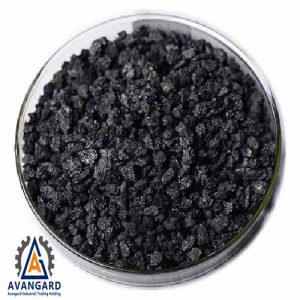
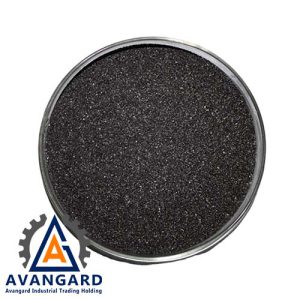
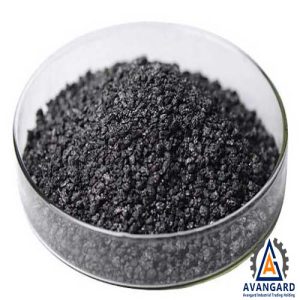


Graphite is one of the most critical raw materials in metallurgy, foundry operations, and ferroalloy production. Due to its unique physical and chemical properties, this carbon-based material plays a vital role in controlling the chemical composition of molten metal, improving metallurgical structures, and regulating the mechanical properties of alloys.
One of the most important quality parameters of industrial graphite is its sulfur (S) content. Based on this parameter, graphite is generally classified into two main categories: high-sulfur graphite and low-sulfur graphite.

The Role of Sulfur in Graphite and Its Effect on the Casting Process
Sulfur is considered one of the undesirable impurity elements in graphite, and its presence can have a direct impact on both cast iron and steel casting processes.
During melting and molten metal production, sulfur shows a strong tendency to react with alloying elements—particularly manganese (Mn)—which can lead to:
- Reduced fluidity of the molten metal
- Increased susceptibility to hot shortness
- Changes in graphite morphology in cast irons
- Degradation of final casting quality
For this reason, the selection of graphite type (high-sulfur or low-sulfur) must be made carefully based on the alloy type, applicable standards, and production conditions.
What Is High-Sulfur Graphite?
High-sulfur graphite refers to graphite materials with a relatively elevated sulfur content, typically above 0.05%. This type of graphite is commonly used in applications where sulfur sensitivity is lower or can be compensated through metallurgical control.
Characteristics of High-Sulfur Graphite
- More cost-effective compared to low-sulfur graphite
- Suitable for certain grades of gray cast iron when manganese levels are properly controlled
- Applicable in the production of specific ferroalloys with higher sulfur tolerance
- Requires increased chemical correction of the molten metal in precision casting processes
What Is Low-Sulfur Graphite?
Low-sulfur graphite, also referred to as high-purity graphite, is a type of graphite with a significantly reduced sulfur content, typically below 0.03%. This grade of graphite is considered a strategic raw material in precision and high-quality casting operations.
Characteristics of Low-Sulfur Graphite
- Improved control over the chemical composition of molten metal
- Highly suitable for ductile iron (nodular iron), spheroidal graphite iron, and alloy steels
- Reduced risk of metallurgical defects
- Enhanced mechanical properties of the final casting
- Extensive use in sensitive industries and engineered components
Comparative Table: High-Sulfur Graphite vs. Low-Sulfur Graphite
| Feature | High-Sulfur Graphite | Low-Sulfur Graphite |
| Sulfur Content (S) | Typically above 0.05% | Typically below 0.03% |
| Carbon Purity | Medium | High |
| Cost | More economical | Higher |
| Casting Applications | Standard cast irons | Ductile iron, steels, critical components |
| Effect on Molten Metal | Requires more control | Stable and predictable |
| Use in Ferroalloys | Limited and specific | Extensive and precise |
| Risk of Metallurgical Defects | Higher | Significantly lower |
Selecting the Appropriate Graphite in Casting and Ferroalloy Industries
The choice between high-sulfur graphite and low-sulfur graphite should be made based on the following factors:
- Type of alloy (gray cast iron, ductile iron, alloy steels)
- Quality standards of the casting
- Sulfur sensitivity in the production process
- Consumption levels of other raw materials and ferroalloys
- Total production cost and final quality control
In advanced industrial casting, low-sulfur graphite is considered a safer choice due to its higher metallurgical stability, whereas high-sulfur graphite continues to be used in certain cost-sensitive and less sulfur-sensitive applications.

Conclusion
Graphite, as one of the most critical raw materials in casting and ferroalloy production, plays a decisive role in molten metal quality and the final properties of cast components. The sulfur content in graphite creates fundamental differences between high-sulfur and low-sulfur graphite, which directly affect metallurgical behavior, molten metal fluidity, and alloy element control.
Selecting the right type of graphite—based on alloy type, casting process sensitivity, and quality standards—can prevent metallurgical defects and improve production efficiency.
In this regard, Avangard Holding focuses on supplying standardized, high-quality graphite and raw materials tailored to the needs of the casting industry, ensuring that the final product quality is maintained at the highest possible level.
🏢 Avangard Industrial Trading Holding Company – A pioneer in supplying and manufacturing casting parts in the Middle East 🌍 📞 Phone: +98 912 022 8576 🌐 Website: En.Avangardholding.com


