 فارسی
فارسی  Arabic
  Russian
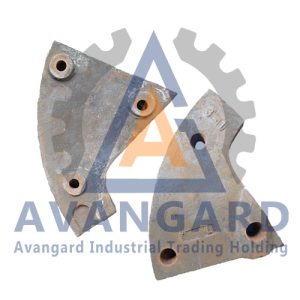
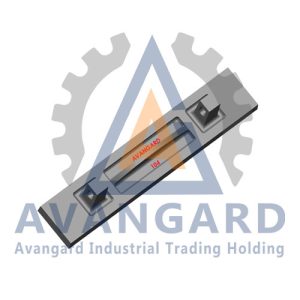
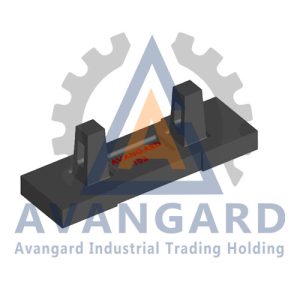
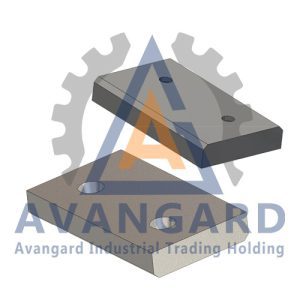
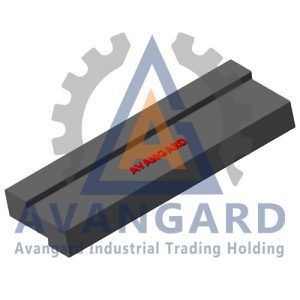
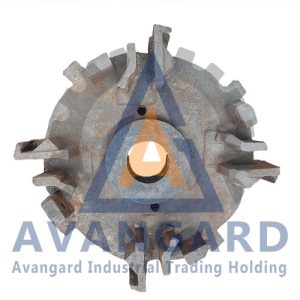
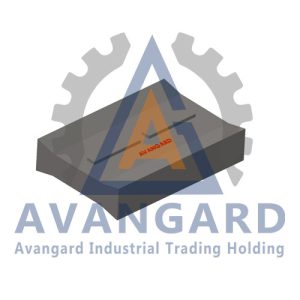

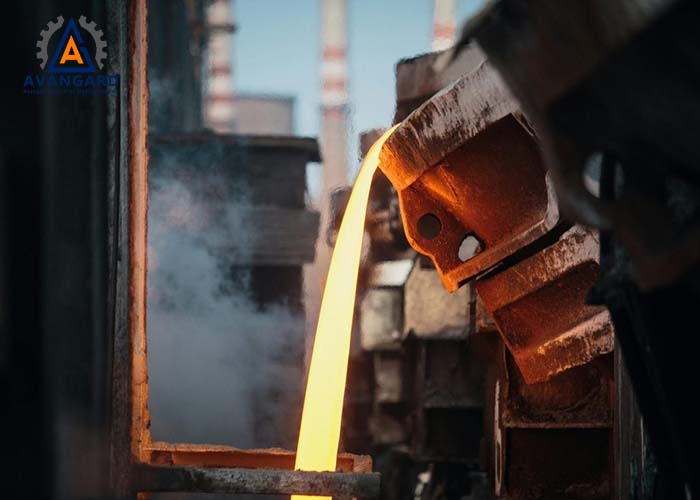
At first glance, one might assume that the term “Ni-Resist cast iron” (also known in Persian as “Noori-hard”) is simply a typographical error for “Ni-Hard cast iron.” However, in reality, these are two distinct cast iron alloys with clearly different metallurgical and mechanical properties. Because Ni-Resist (Noori-hard) cast iron is used less frequently across industries, many engineers and professionals may not have heard of it and may confuse it with Ni-Hard cast iron.
Both Ni-Hard and Ni-Resist are special types of wear-resistant cast irons, yet they differ significantly in their mechanical behavior and wear performance. The Ni-Hard alloy was previously discussed in a separate article, while this article focuses on the introduction and detailed technical analysis of Ni-Resist (Noori-hard) cast iron.
Ni-Resist cast iron was first developed and named by KSB, a renowned German manufacturer of industrial pumps. The company adopted this alloy for casting critical pump components, as pumps often operate under severe abrasion and corrosion conditions. For instance, slurry pumps and slurry valves are typically used in mining environments and in the transport of abrasive fluids containing solid particles. Laboratory tests conducted by KSB on components cast from Ni-Resist (Noori-hard) showed that its wear resistance was at least twice that of Ni-Hard 4 cast iron.
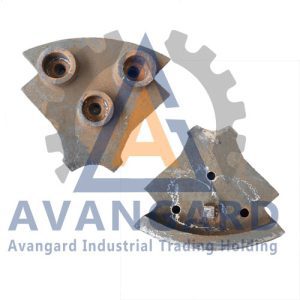
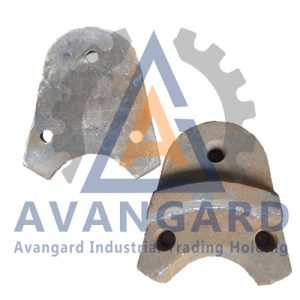
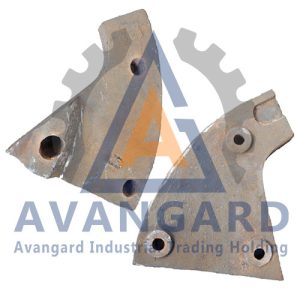
Engineers, metallurgists, and professionals in Iran’s mining, sand and gravel, and steel industries are already familiar with KSB products, as their pumps and parts have long been used in domestic industrial applications. Fortunately, Avangard Industrial Trading Holding has successfully produced essential pump components such as casings, impellers, and other key parts using Ni-Resist (Noori-hard) cast iron through precision casting. This achievement now makes the superior durability and wear resistance of this high-performance alloy available to Iran’s industrial sectors as well.
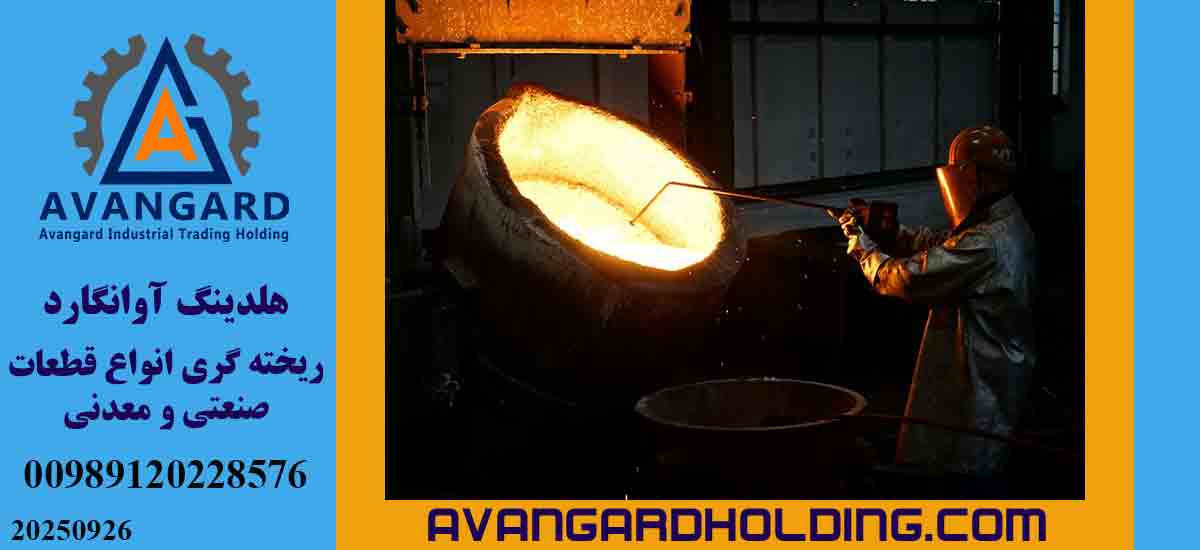
Ni-Resist (Noori-hard) Alloy and Its Characteristics
The Noori-hard alloy is a type of martensitic white cast iron alloyed primarily with chromium and molybdenum. After the casting process, the components undergo soft annealing to prepare the material for subsequent machining operations such as drilling, threading, and milling. This annealing process relieves internal stresses and refines the microstructure, making the alloy easier to machine without compromising its strength.
Once the machining operations are completed, the part can be re-hardened through heat treatment to achieve the desired final hardness. Depending on the section thickness of the component, the final hardness typically ranges between 750 and 1000 HV50.
Unlike self-hardening materials such as Ni-Hard cast iron, the Noori-hard alloy can be adapted to a wider range of operating conditions. It should be noted that cast iron encompasses many different metallurgical grades, and the microstructure of each type determines the final mechanical and wear properties of the component. For more detailed information about different grades of cast iron used in industrial casting, you can refer to the relevant technical resources on Avangard Holding’s website.
Microstructure of Noori-hard Alloy: Martensitic Matrix with Primary and Secondary Carbides
Many engineers and industrial professionals compare different types of cast iron to determine the most suitable alloy for their specific applications. For instance, Noori-hard and Ni-Hard cast irons are often evaluated side by side, and in some cases, they are even compared with ductile iron (nodular cast iron) from a structural standpoint.
Key Characteristics of Noori-hard Cast Iron
Noori-hard is an alloyed white cast iron characterized by a high content of chromium and molybdenum, which provides excellent resistance to abrasion and corrosion under demanding industrial conditions.
Unlike ductile iron, which contains spheroidal graphite nodules that enhance ductility and impact resistance, Noori-hard is specifically designed for applications that require high surface hardness and superior wear resistance. In other words, this alloy performs exceptionally well in high-abrasion environments, while ductile iron is better suited for applications involving mechanical shock and flexibility requirements.
For a more detailed comparison between various types of cast iron and their industrial uses, refer to the article “What is Cast Iron?” available on Avangard Holding’s website.
Alloy Designation of Noori-hard
In certain metallurgical references, this alloy is designated as GX250CrMo15-3. This designation corresponds to an alloyed white cast iron developed for service conditions requiring high resistance to both wear and corrosion. The chemical composition and mechanical specifications of GX250CrMo15-3 are defined according to the DIN EN 12513 standard, which is widely recognized in European casting practices.
Chemical Composition of Noori-hard Alloy
The chemical composition of the Noori-hard alloy is shown in the table below. The values are given in weight percent (wt.%).
| Element | Weight Percent (wt.%) |
| Carbon (C) | 2.4 – 2.8 |
| Silicon (Si) | 0.3 – 0.8 |
| Manganese (Mn) | 0.5 – 0.8 |
| Chromium (Cr) | 14 – 16 |
| Nickel (Ni) | – |
| Molybdenum (Mo) | 2.4 – 2.8 |
| Copper (Cu) | – |
| Nitrogen (N) | – |
Mechanical Properties of Noori-hard Alloy
The mechanical properties of Noori-hard cast iron at room temperature are presented in the table below.
| Mechanical Property | Value |
| Tensile Strength (N/mm²) | ≥ 500 |
| Yield Strength (N/mm²) | – |
| Elongation (%) | – |
| Reduction of Area (%) | – |
| Notched Impact Energy (J) | – |
| Fracture Toughness (N/mm³/²) | ≥ 25 |
| Vickers Hardness (HV50) | ≥ 750 |
Welding of Noori-hard Alloy
Welding Noori-hard alloy, a type of wear-resistant white cast iron, is considered a challenging task due to its specific chemical composition and microstructural characteristics. White cast irons, with their high carbon content and hard martensitic–carbide structure, are generally difficult to weld and require specialized techniques and equipment. By employing appropriate welding methods, Avangard can repair and produce components with high durability and reliability.
Melting Temperature of Noori-hard Cast Iron
The melting point of alloyed cast irons varies depending on their exact chemical composition. In general, white alloyed cast irons like Noori-hard have a melting range of approximately 1200–1300 °C. This property highlights the importance of precise temperature control during both casting and heat treatment processes to ensure the quality of the final component.
Wear Resistance of Noori-hard Cast Iron
One of the most notable properties of Noori-hard alloy is its exceptional wear resistance. This has been confirmed through abrasion tests in water and silica sand solutions, which demonstrate that Noori-hard cast iron exhibits significantly higher wear resistance than conventional cast iron and even Ni-Hard cast iron. As a result, this alloy is ideally suited for high-abrasion industrial components, including pumps and mining equipment.
Industrial Applications of Noori-hard Alloy
Due to its high hardness, excellent wear resistance, and long service life, the Noori-hard alloy finds widespread use across various industries. Key applications include:
- Mining Industry: Crusher components and excavator bucket teeth
- Cement Industry: Mill liners and crusher parts
- Power Generation: Coal mill parts and ash handling systems
- Pulp and Paper Industry: Choppers and refining plates
- Oil & Gas Industry: Pump components and drilling tools
- Steel and Metalworking Industry: Rolls and slag ladles
Advantages of Using Noori-hard
- Exceptional resistance to abrasion
- Extended component durability and service life
- Reduction in maintenance and repair costs
- Significant corrosion resistance
These characteristics make Noori-hard alloy an ideal choice for industrial environments with severe wear and harsh operating conditions.
Based on the three cast iron types—gray cast iron, Noori-hard, and Ni-Hard—the impact of alloy selection on pump component service life is summarized in the table below:
| Cast Iron Type | Pump Component Service Life |
| Gray Cast Iron | Short |
| Ni-Hard | Medium |
| Noori-hard | Long and highly resistant to severe wear |
Ordering Noori-hard and Other Cast Iron Products at Avangard
Thanks to its outstanding properties such as high wear resistance, superior hardness, and long service life, the Noori-hard alloy is widely used across various industries. This alloy delivers excellent performance in applications where components are exposed to severe abrasion and, due to its unique chemical composition and microstructure, offers a longer service life compared to other cast irons such as Ni-Hard.
At Avangard Industrial Trading Holding, we have the capability to produce and cast a wide range of industrial components using Noori-hard cast iron. Our team’s extensive experience and expertise in Cast Iron Production Orders enable us to deliver products with high quality, precise dimensional accuracy, and long-term durability to meet the demands of diverse industrial applications.
The specialized team at Avangard is ready to fulfill your requirements according to the highest standards of quality and professional service, providing tailored solutions for the production of wear-resistant components with extended service life.
🏢 Avangard Industrial Trading Holding Company – A pioneer in supplying and manufacturing casting parts in the Middle East 🌍 📞 Phone: +98 912 022 8576 🌐 Website: En.Avangardholding.com


