 فارسی
فارسی  Arabic
  Russian


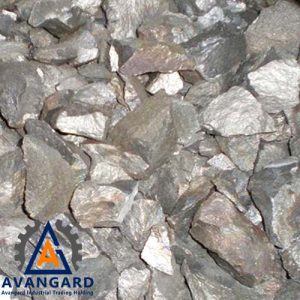
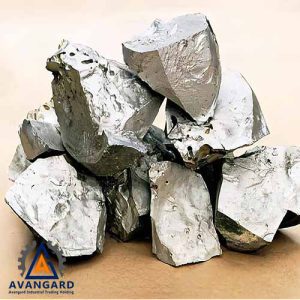
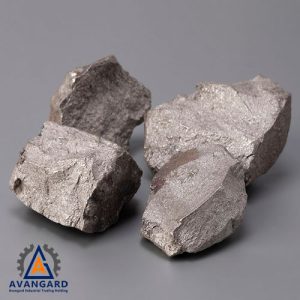
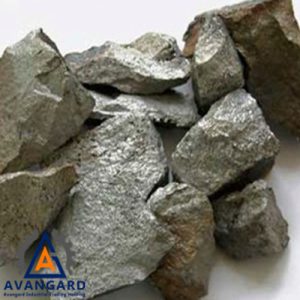
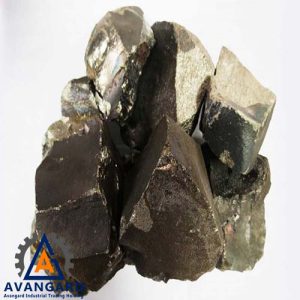
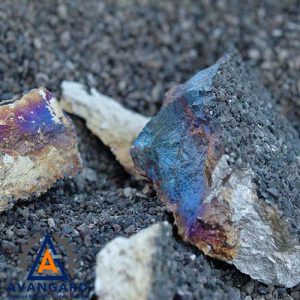
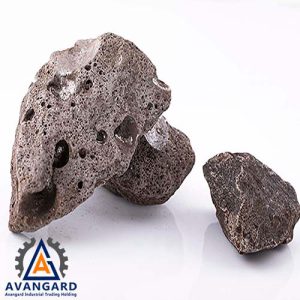
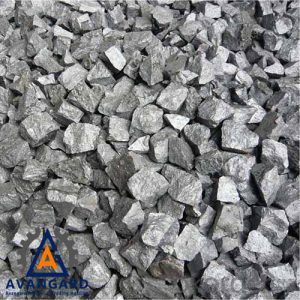

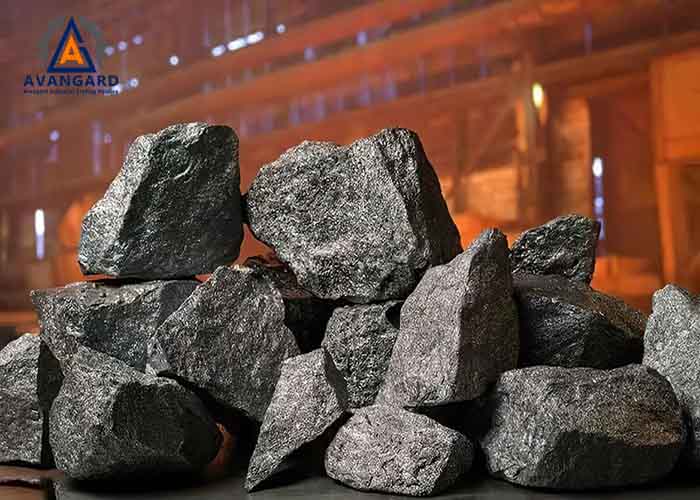
In foundry industries, the use of various ferroalloys plays a key role in determining the quality, mechanical properties, and final structure of cast components. Ferroalloys are compounds of iron with one or more metallic elements, which are added to molten steel or cast iron during the melting process to enhance specific characteristics such as wear resistance, hardness, toughness, and heat resistance.
Companies like Avangard Industrial Holding, which specialize in the production and supply of cast components and crusher equipment, utilize different ferroalloys to improve the quality of industrial parts and extend the service life of their products. Moreover, since Avangard imports large quantities of ferroalloys from other countries in addition to meeting its own consumption needs, it is able to supply and sell a wide range of high-quality ferroalloys at competitive prices to foundry partners.
What Are Ferroalloys and Why Are They Important in Foundry?
Ferroalloys are alloys composed of iron and alloying elements such as silicon, manganese, chromium, molybdenum, titanium, and vanadium. These materials are usually added to molten steel or cast iron during the final stages of melting to refine the metallurgical structure and control the final properties of the product.
In the production of industrial parts such as crusher hammers, cheek plates, jaw plates, as well as various mantles and concaves, selecting the appropriate type and amount of ferroalloy is crucial. Each ferroalloy has a specific impact on the strength, durability, or flexibility of the part, and improper selection can lead to cracking or premature wear of crusher components and other industrial parts.
“Commonly Used Ferroalloys in Steel and Cast Iron Foundries
Next, we introduce the most important ferroalloys used in foundry industries and the production of heavy industrial components:
| Type of Ferroalloy | Main Composition | Application in Foundry | Final Properties in the Component |
| Ferro Silicon (FeSi) | Iron + Silicon (75%) | Improves molten metal fluidity, removes oxygen | Increases heat and wear resistance |
| Ferro Manganese (FeMn) | Iron + Manganese (65–80%) | Removes sulfur, improves toughness | Enhances strength and impact resistance |
| Ferro Chrome (FeCr) | Iron + Chromium (60–70%) | Adds wear-resistant and anti-corrosion properties | Provides high durability in crusher components |
| Ferro Silico Manganese (FeSiMn) | Iron + Silicon + Manganese | Cost-effective alternative to FeSi and FeMn | Increases hardness and flexibility of the molten metal |
| Ferro Molybdenum (FeMo) | Iron + Molybdenum | Improves resistance at high temperatures | Enhances durability of heat-treated components |
| Ferro Niobium (FeNb) | Iron + Niobium | Refines steel grain structure | Increases fatigue and tensile strength |
Each of these ferroalloys is selected based on the type of product, steel composition, and operating conditions. For example, in crusher components subjected to continuous wear, Ferro Chrome and Ferro Manganese are among the most commonly used alloys.
Applications of Ferroalloys in Steel and Cast Iron Foundries
In the steel casting process, ferroalloys are usually added after the completion of melting and before pouring into molds. The primary purpose of this step is to control the chemical composition and achieve a homogeneous, durable metallurgical structure.
In contrast, in cast iron foundries, Ferro Silicon (FeSi) and Ferro Manganese (FeMn) play a vital role in improving fluidity and removing impurities, which enhances surface quality and reduces porosity in the final component.
At Avangard, ferroalloys are used in the production of steel and cast iron components such as various industrial valves for the oil and gas sector, machine parts and molds, crusher and road construction equipment, and other industrial applications. These foundry raw materials ensure that components can withstand harsh working conditions, including high temperatures, high pressures, and severe wear.
Impact of Ferroalloy Quality on the Lifespan of Industrial Components
One of the key factors in extending the service life of industrial components and equipment is the quality of foundry raw materials. Low-quality or impure ferroalloys can lead to internal cracks, gas porosity, or brittleness in the metal structure.
Therefore, Avangard uses high-purity ferroalloys and premium raw materials to supply a wide range of foundry inputs for both domestic and international industries, ensuring superior performance and durability of industrial components.
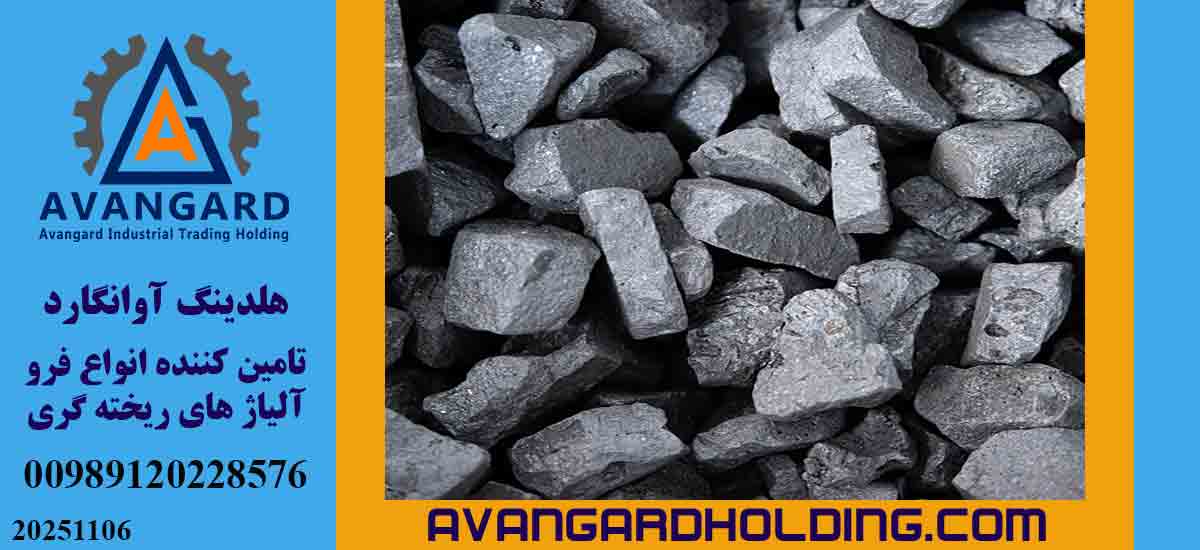
Correct Ferroalloy Selection: The Key to Industrial Manufacturing Success
Ultimately, the correct selection of ferroalloy type and quantity depends on the steel or cast iron composition, the type of component, and its operating conditions. For example:
- For components requiring high wear resistance, Ferro Chrome (FeCr) is the ideal choice.
- For structural steels and parts where toughness is crucial, Ferro Manganese (FeMn) is commonly used.
- For heat- and pressure-resistant steels, Ferro Molybdenum (FeMo) and Ferro Niobium (FeNb) are the most applicable.
The experts at Avangard possess extensive experience in industrial foundry and specialized ferroalloy supply, providing technical consultation to help select the optimal raw material combinations for producing high-quality cast components.
Conclusion
Ferroalloys are the beating heart of steel and cast iron foundry processes. Without the correct combination of these materials, achieving desired quality, strength, and durability in industrial components is impossible. Leveraging technical knowledge, production experience, and direct supply of various ferroalloys, Avangard plays a pivotal role in enhancing the quality of cast components and industrial equipment across the country.
🏢 Avangard Industrial Trading Holding Company – A pioneer in supplying and manufacturing casting parts in the Middle East 🌍 📞 Phone: +98 912 022 8576 🌐 Website: En.Avangardholding.com


