 فارسی
فارسی  Arabic
  Russian


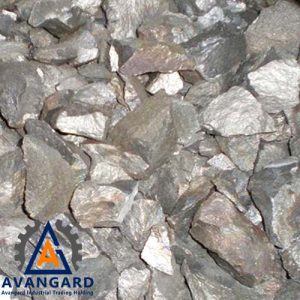
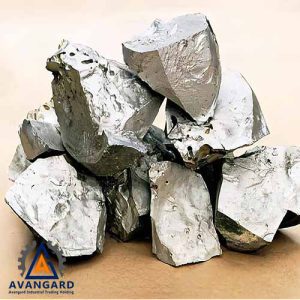
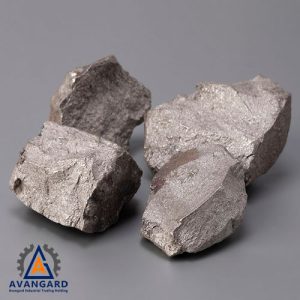
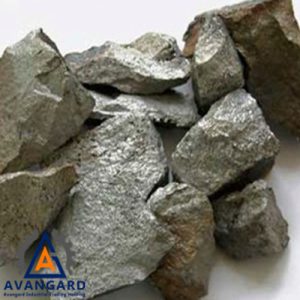
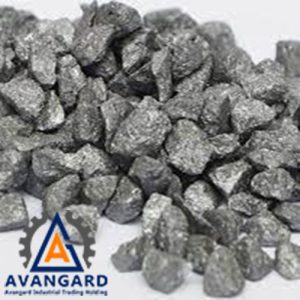

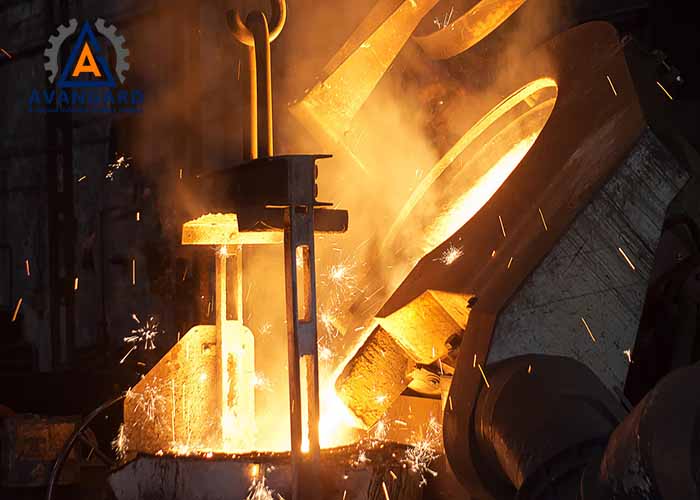
Stainless steel, commonly known in Iran simply as “steel,” is one of the most widely used and significant families of steel alloys. This group includes a wide range of grades, each manufactured with specific chemical compositions and different alloying elements. Such variations in composition result in unique properties for each type of stainless steel, including resistance to different forms of corrosion, thermal stability, and mechanical durability.
For example, certain stainless steels provide exceptional resistance against pitting corrosion, while others are specifically designed to withstand high temperatures and prevent oxidation. A precise understanding of stainless steel grades ensures the right material selection for industrial, construction, and marine applications.
Among the various grades, 316 stainless steel holds a distinguished position. Belonging to the austenitic family, this alloy has gained wide recognition due to its outstanding corrosion resistance, particularly in chloride-rich environments such as seawater. This characteristic has made 316 stainless steel highly valued in marine industries, chemical equipment manufacturing, and applications where long-term durability and reliability are critical.
Avangard Holding, leveraging its technical expertise and specialized experience in the supply and production of stainless steels—including grade 316—provides high-quality, standard-compliant products to diverse industries. Furthermore, the company possesses the capability to manufacture and casting various stainless steel grades, tailored to specific industrial needs.
Chemical Composition of 316 Stainless Steel
The outstanding properties of 316 stainless steel—such as its corrosion resistance and high durability—are the result of its precisely engineered chemical composition. This alloy is formulated with specific elements, each playing a critical role in enhancing its mechanical and chemical characteristics.
The following table presents the weight percentage of the key elements in grade 316, along with their respective functions:
Chemical Composition of 316 Stainless Steel
| Element | Weight Percentage | Role in the Alloy |
| Iron (Fe) | Balance | The base element of all steels, including 316 stainless steel. |
| Carbon (C) | Max 0.08% | Strengthens the steel structure; in low-carbon variants it reduces carbide precipitation, improving weldability. |
| Chromium (Cr) | 16 – 18% | Forms a passive surface layer that prevents rusting and significantly enhances corrosion resistance. |
| Nickel (Ni) | 10 – 14% | Improves toughness, ductility, and stabilizes the austenitic structure. |
| Molybdenum (Mo) | 2 – 3% | Greatly increases resistance to pitting corrosion, especially in chloride-containing environments such as seawater. |
| Manganese (Mn) | Up to 2% | Enhances mechanical strength and hardness. |
| Silicon (Si) | Max 1% | Improves oxidation resistance at elevated temperatures. |
| Phosphorus (P) | Max 0.045% | Added in controlled amounts to prevent brittleness. |
| Sulfur (S) | Max 0.03% | Improves machinability, though excessive amounts can reduce mechanical properties. |
Mechanical Properties and Corrosion Resistance of 316 Stainless Steel
In addition to its exceptional corrosion resistance, 316 stainless steel also demonstrates outstanding mechanical properties, making it widely utilized across various industries. The most important mechanical characteristics of this alloy include:
- Tensile Strength: Ranges between 482 – 586 MPa. This indicates that 316 stainless steel can withstand high tensile forces, making it suitable for heavy industrial applications.
- Yield Strength: Approximately 207 – 345 MPa. This value represents the stress level the material can endure before permanent plastic deformation begins.
- Elongation: Around 40%, which reflects the alloy’s high ductility under tensile stress. This property allows excellent performance in forming processes and the manufacturing of complex components.
- Hardness: Depending on heat treatment and surface conditions, the hardness typically falls within 95 – 200 Brinell.
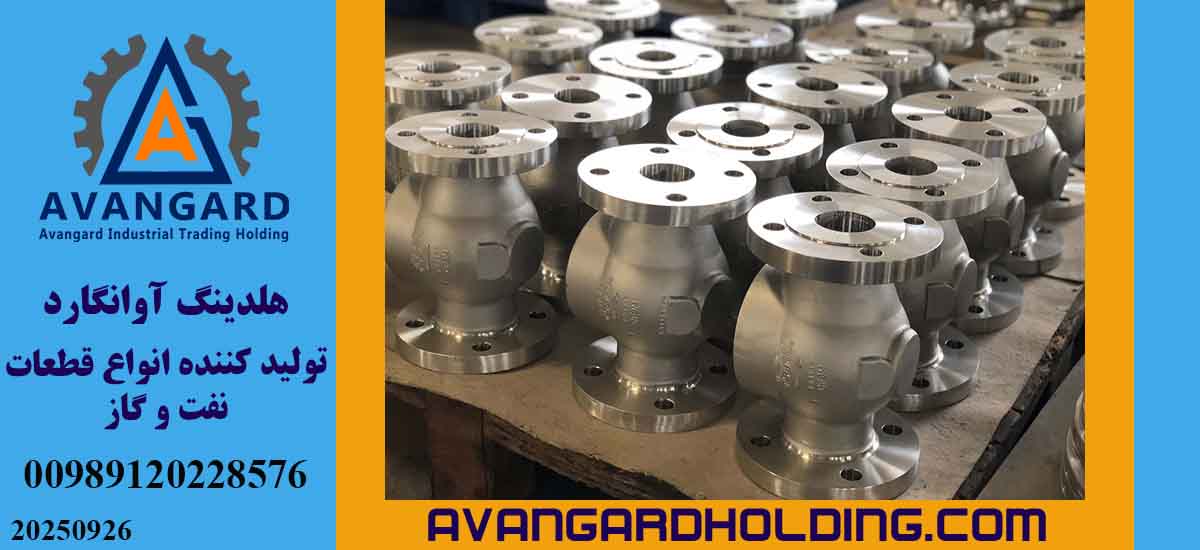
Corrosion Resistance of 316 Stainless Steel – The Key Feature of This Alloy
The most prominent advantage of grade 316 stainless steel lies in its exceptional resistance to various corrosive environments. The balanced combination of chromium, nickel, and molybdenum creates a stable alloy structure capable of withstanding harsh environmental conditions:
- Pitting Corrosion Resistance: The presence of molybdenum makes 316 stainless steel highly resistant to pitting corrosion, particularly in chloride-rich environments such as seawater.
- Crevice Corrosion Resistance: This alloy performs effectively against one of the most critical forms of localized corrosion—crevice corrosion.
- Stability in Diverse Chemical Environments: 316 stainless steel demonstrates high resistance to many acids, alkalis, and industrial chemicals, making it a reliable choice for demanding industries.
Thanks to these properties, 316 stainless steel is considered an ideal alloy for marine industries, Oil and Gas Industry, petrochemical sectors, medical equipment, and even food processing. Avangard Holding, by supplying high-quality and standard-compliant products from this steel grade, effectively meets the needs of industries that require highly corrosion-resistant materials.
Applications of 316 Stainless Steel in Various Industries
Thanks to its unique chemical composition and excellent mechanical properties, 316 stainless steel is widely recognized as a versatile alloy across multiple industries. The main areas of application include:
- Marine Equipment and Structures: Its superior resistance to seawater and pitting corrosion makes 316 stainless steel an ideal choice for marine equipment, boats, and coastal constructions.
- Chemical Industry: Due to its resistance against acids and aggressive chemicals, this alloy is extensively used in the manufacturing of storage tanks, pipelines, and fittings.
- Food Industry: With high corrosion resistance and hygienic qualities, 316 stainless steel is commonly employed in food processing, packaging, and transportation equipment.
- Pharmaceuticals and Medical Equipment: Its compatibility with sterile environments and resistance to chemical exposure make it a reliable material for medical and pharmaceutical equipment.
- Oil and Gas Industry: 316 stainless steel ensures dependable performance in pipelines, heat exchangers, and equipment exposed to corrosive substances.
Advantages and Limitations of Using 316 Stainless Steel
The widespread use of this alloy is primarily attributed to its unique combination of excellent corrosion resistance and favorable mechanical properties. However, it should be noted that the price of 316 stainless steel is relatively higher compared to certain other grades, which can present limitations in some projects.
Despite this, due to its outstanding capabilities, the alloy is produced and supplied in a wide range of forms, including sheets, bars, pipes, and profiles. Among these, 316 stainless steel sheets are considered the most commonly used form of this alloy across various industries.
Avangard Holding, by offering a wide selection of stainless steel products—especially 316 stainless steel components and sheets—effectively meets the needs of critical industries requiring reliable, corrosion-resistant materials.
Heat Treatment and Enhancement of Mechanical Properties in 316 Stainless Steel
In general, the mechanical properties of 316 stainless steel cannot be significantly improved through conventional heat treatment methods (such as quenching and tempering commonly used in carbon steels). Due to its stable austenitic structure, this alloy shows little variation under standard heat treatment processes.
However, to enhance certain characteristics—particularly ductility and corrosion resistance—the annealing process is commonly applied. In this method, 316 stainless steel is heated to a temperature range of approximately 1010 – 1121°C and then cooled gradually. This slow cooling prevents the formation of undesirable phases (such as chromium carbides) and helps maintain the stable austenitic structure of the alloy.
On the other hand, to improve mechanical properties such as strength and hardness, alternative methods like cold working and specific surface treatments are employed. These processes increase mechanical strength while preserving the alloy’s corrosion resistance, which is why they are widely used in many industrial applications.
Advantages of 316 Stainless Steel
316 stainless steel sheets and other forms of this alloy hold a special place across various industries due to their unique properties. The key advantages include:
- Excellent Corrosion Resistance: 316 stainless steel demonstrates superior performance against pitting and crevice corrosion, particularly in marine and industrial environments.
- High Durability and Long Service Life: Its combination of resistance to rust damage and adequate mechanical strength makes this alloy a highly durable choice.
- Good Formability and Weldability: 316 stainless steel offers favorable ductility and weldability, especially in low-carbon grades (316L), which provide enhanced weld performance.
- Attractive Appearance and Smooth Surface: The bright and polished surface of this alloy also makes it appealing for architectural and decorative applications.
Limitations of 316 Stainless Steel
Despite its remarkable advantages, 316 stainless steel has certain limitations that should be considered when selecting this alloy:
- Higher Cost: The presence of nickel and molybdenum in its chemical composition increases the price of 316 stainless steel compared to some other grades.
- Sensitivity at High Temperatures: This alloy is not ideal for prolonged use at elevated temperatures, as its corrosion-resistant properties may decrease.
- Welding Challenges: Welding 316 stainless steel requires high precision and, in some cases, additional heat treatment to prevent the formation of harmful carbides.
- Machining Difficulty: Its higher hardness compared to carbon steels can make machining more challenging.
316 Stainless Steel Casting Orders: A Reliable Choice for Critical Industries
Thanks to its unique combination of chromium, nickel, and molybdenum, 316 stainless steel is one of the most widely used alloys in critical industries. Its excellent corrosion resistance—particularly in chloride-rich environments such as seawater—combined with favorable mechanical properties, makes this alloy an ideal choice for the oil & gas, petrochemical, and marine equipment sectors.
Avangard Holding, leveraging extensive experience and expertise in casting various alloys, is ready to provide professional services from design to final production of 316 stainless steel components. For more information about 316 stainless steel casting and placing orders, please visit the Avangard Holding website.
🏢 Avangard Industrial Trading Holding Company – A Pioneer in Supplying and Manufacturing Casting Parts in the Middle East 🌍 📞 Phone: +98 912 022 8576 🌐 Website: En.Avangardholding.com


