 فارسی
فارسی  Arabic
  Russian

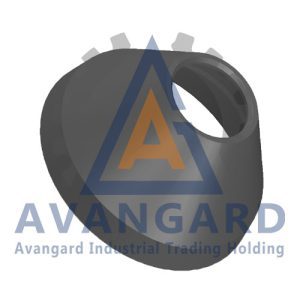
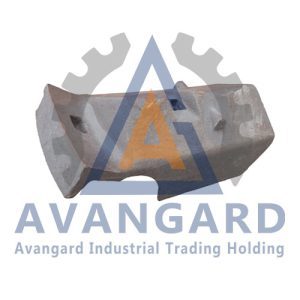
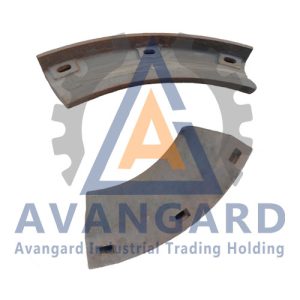
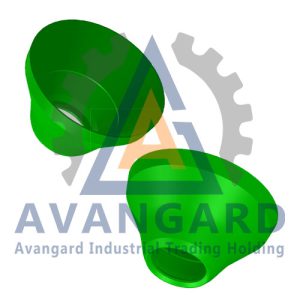

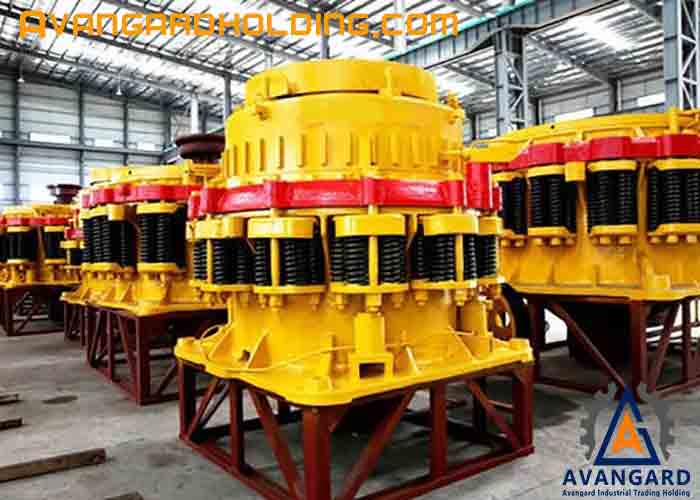
The Hydrocone crusher is one of the most commonly used crushers in the mining industry, utilizing compression-based crushing principles. This machine consists of two main components: the mantle and the concave, which work together to crush materials. The concave is fixed within the crushing chamber, while the mantle rotates eccentrically, creating compression between the two surfaces and crushing the material.
The movement of the mantle is designed to be non-central, creating a variable gap between the mantle and the concave. This gap, which is influenced by the OSS and CSS settings, determines the size of the output material. The materials remain in the crushing chamber until their size reaches a point where they can pass through the gap between the mantle and the concave.
Avangard, with its experience in providing spare parts for Hydrocone crushers, including mantles and concaves, is ready to offer services and consultations to optimize the performance of these machines. Using high-quality and standard-compliant crusher parts increases productivity and reduces maintenance costs. For more details, feel free to contact Avangard.
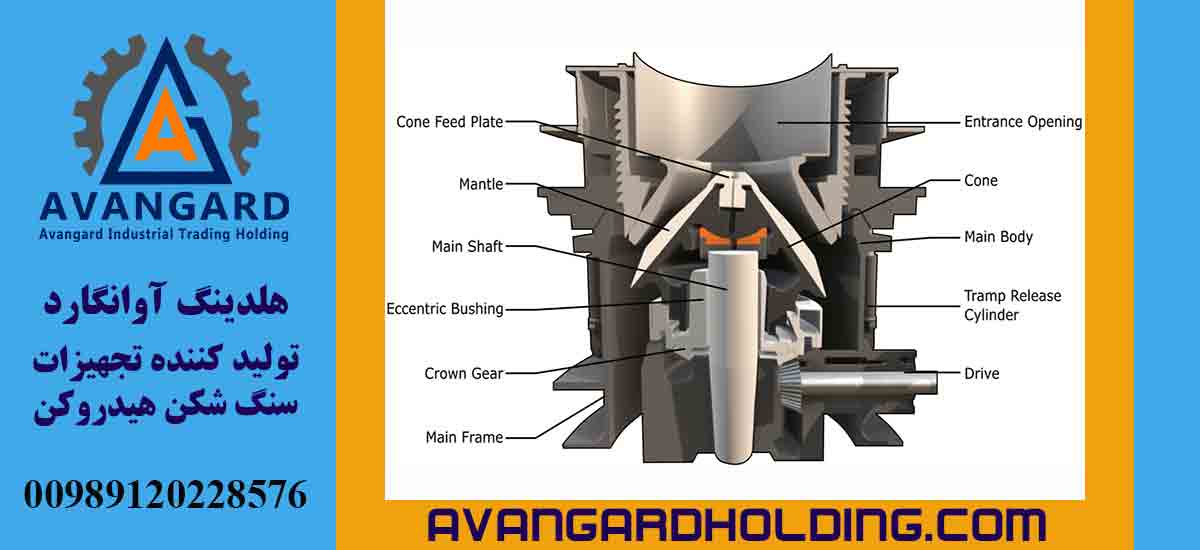
OSS and CSS Settings in Hydrocone Crusher
In the Hydrocone crusher, OSS and CSS settings play a crucial role in controlling the size of the output material and the efficiency of the machine. These two settings are:
-
OSS (Open Side Setting):
This refers to the maximum distance between the mantle and concave when the mantle is fully rotated. It determines the largest size of particles that can pass through the crushing chamber. Changing the OSS directly affects the size of the final product and the output volume. -
CSS (Closed Side Setting):
This refers to the minimum distance between the mantle and concave when the mantle is fully rotated. It determines the smallest size of the material that can exit the crushing chamber. Reducing the CSS leads to the production of finer material, but it may also affect the overall capacity.
How OSS and CSS Are Adjusted in Hydrocone Crusher
The adjustment of these values is done using tools or hydraulic systems, and it is typically dependent on the type and hardness of the materials and the desired particle size of the output. Accurate control of these settings enhances the efficiency of the machine and prevents unnecessary wear on parts like the mantle and concave.
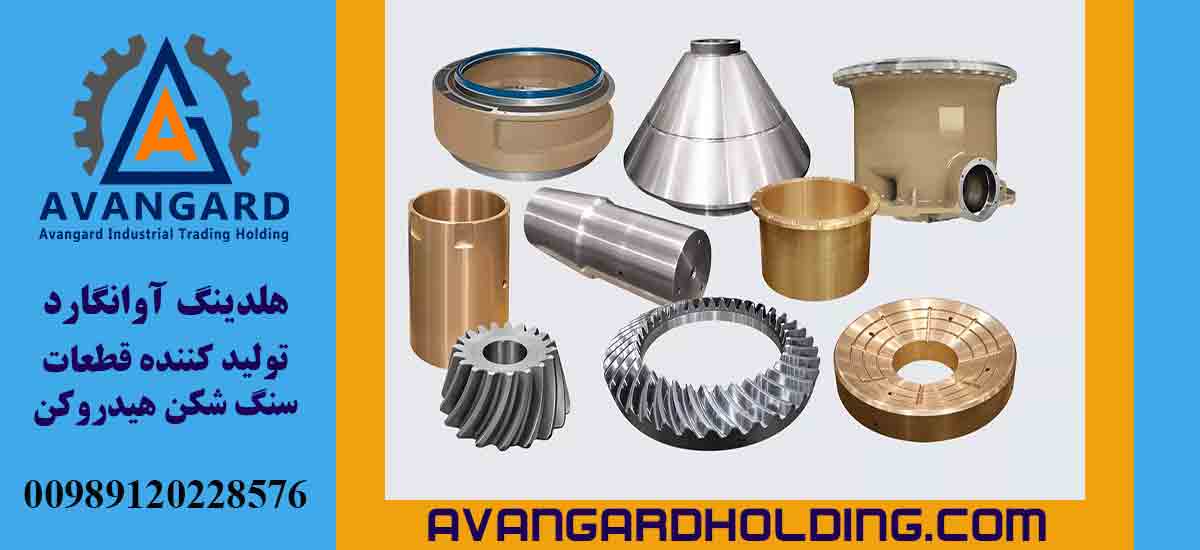
Mechanism of Hydrocone Crusher: How Rocks are Crushed
In the Hydrocone crusher, the crushing of rocks is carried out through the combination of two main components: the mantle and the concave. The mantle, which is a moving part, continuously makes contact with the concave, a fixed part, during its rotation. These two components directly create compression to crush the rocks. When the rocks are compressed between the mantle and concave, a significant amount of energy is transferred to them, which causes the rocks to break into smaller particles. The precise gap between the mantle and concave plays an essential role in determining the size of the crushed particles, and these settings can be controlled using the OSS (Open Side Setting) and CSS (Closed Side Setting) parameters. OSS is used to determine the size of the largest output particles, and CSS controls the size of the final particles. These settings also affect energy consumption and the device’s capacity.
Overall, the coordinated operation of the mantle and concave in the Hydrocone crusher is recognized as an effective and efficient process for rock crushing, especially in sand and gravel quarries. This process not only impacts the quality and size of the final particles but also significantly enhances the machine’s productivity. Avangard, through its specialized services in the production and supply of crusher parts, plays a crucial role in optimizing this process.
Material Feeding: Raw minerals or rocks are fed into the crushing chamber through a feeding system such as a Vibrating Feeder or Grizzly Feeder.
Primary Crushing: Rocks are placed between the two main crushing surfaces; one is the fixed concave surface that forms the internal shape of the chamber, and the other is the movable mantle that moves eccentrically on the main axis of the machine.
Compression and Crushing: The rotary movement of the mantle inside the chamber creates compressive and shear forces on the rocks. These forces apply pressure to the rocks, causing them to break in the initial stage.
Secondary Crushing: In the next stage, the rocks are further crushed as they come into contact with the concave walls and are further compressed by the movement of the mantle, resulting in smaller particles. This type of crushing is known as “Interparticle Crushing.”
Size Adjustment: The gap between the mantle and the concave, known as the OSS (Open Side Setting) and CSS (Closed Side Setting), is adjustable. This adjustment is made through the machine’s hydraulic system and directly impacts the size of the final particles and the machine’s productivity.
Discharge of Crushed Material: After the crushing process, the particles are directed towards the exit of the crushing chamber. The crushed material is typically transported via a conveyor belt system for further processing, such as grading or stacking.
Exit from Crusher: The final crushed material exits the machine and is sent to other processes like storage or used in industrial projects.
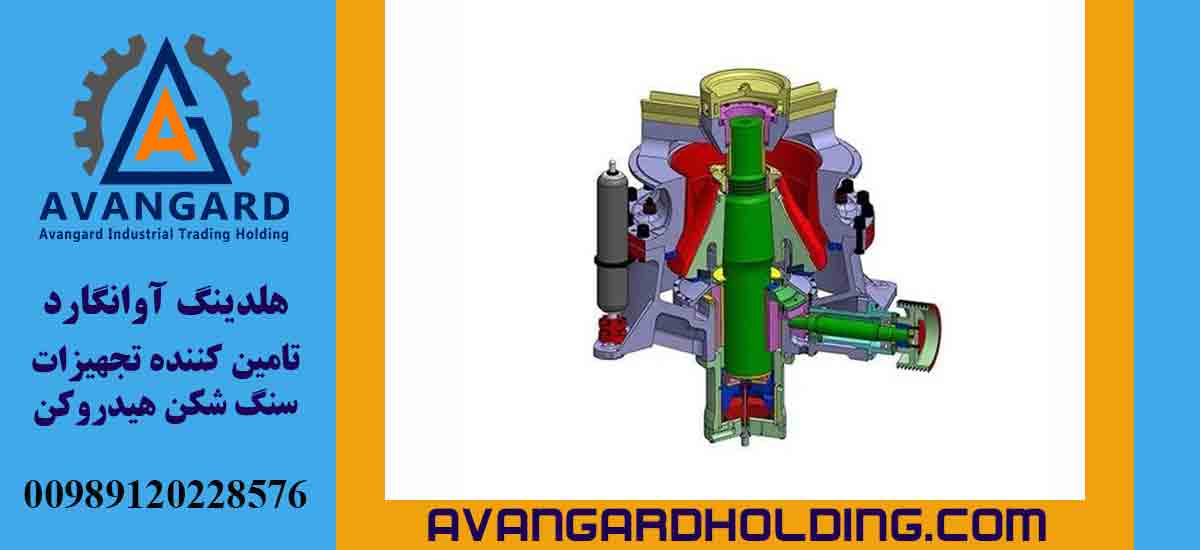
This system, optimized by Avangard, is efficient for processing various hard and semi-hard rocks in mining and mineral industries. The precise design of the mantle and concave, along with the hydraulic adjustments, plays a vital role in increasing productivity and reducing energy consumption.
Advantages and Disadvantages of Using Hydrocone Crushers in Mines
The Hydrocone crusher, also known as a cone crusher, is a key tool in the process of mineral crushing, offering a variety of advantages and disadvantages due to its unique design.
Advantages:
-
High Crushing Efficiency: Hydrocone crushers provide excellent performance in material crushing, offering high productivity and a high reduction ratio.
-
Lower Operational Costs: Due to their compact structure and durability, Hydrocone crushers are suitable for harsh mining environments and are easy to maintain, helping to reduce operational costs.
-
High-Quality Final Products: These crushers are effective in producing uniform particles and controlling the final particle size with precision.
-
Good Compression for Hard Materials: They are particularly efficient in handling hard and abrasive materials.
Disadvantages:
-
Feeding Limitations: The feed size is restricted due to the small inlet opening, which limits the ability to crush larger raw materials.
-
Reduced Performance with Wet or Sticky Materials: Hydrocone crushers tend to lose efficiency when dealing with wet or sticky materials, such as clay, and may cause blockages in the machine.
-
High Initial Purchase Cost: The initial investment cost is relatively high compared to some other crushers, although this is offset by reduced operational costs.
-
Need for Complementary Equipment: Hydrocone crushers may require additional equipment to handle larger materials effectively.
-
Sensitivity to Incorrect Settings: Incorrect adjustments may lead to machine malfunctions or damage.
In conclusion, while Hydrocone crushers offer high efficiency and cost savings in terms of maintenance and operational expenses, their limitations, such as feed size restrictions and performance issues with wet materials, should be considered. Avangard provides consultation and supplies Hydrocone crusher parts to meet the needs of the mining industry with high-quality products at competitive prices.
For more information or to purchase Hydrocone crusher parts, feel free to contact the expert team at Avangard.
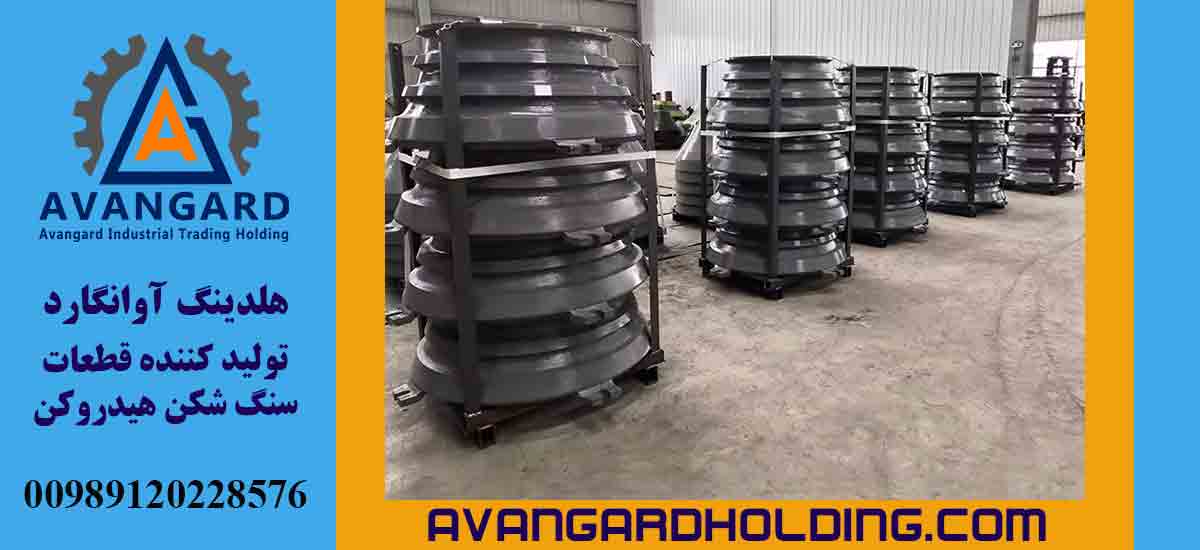
How Hydrocone Crushers Work
The Hydrocone crusher is one of the key equipment used in the sand and gravel industries and stone crushing operations. With advanced technology and precise settings, it efficiently performs rock crushing through compression and pressure on the material. The process involves the use of components such as the mantle and concave, which work together to compress the material and break it down into smaller sizes. The settings of OSS (Open Side Setting) and CSS (Closed Side Setting) in the Hydrocone not only determine the size and quality of the output particles but also have a significant impact on the machine’s efficiency and operational cost reduction.
Avangard, with its expertise in producing and supplying undercarriage components, including Hydrocone parts, jaw crusher parts, impact crusher parts, and other crusher accessories, offers comprehensive services in this field. By utilizing high-quality casting materials and producing products made from manganese steel, Avangard ensures the durability and optimal performance of its components. Additionally, providing expert consultation on Hydrocone settings plays an essential role in reducing wear and improving the efficiency of this equipment.
Avangard’s experience in casting crusher parts and precise modeling allows the company to offer high-standard products for the crushing and road construction industries. Among Avangard’s services are the supply of sand and gravel mining equipment and the sale of sand-making crusher parts, which significantly enhance productivity and reduce maintenance costs.
For more information about purchasing and pricing Hydrocone crusher parts, visit Avangardholding.com or contact the expert team at Avangard. By utilizing Avangard’s casting products and other mining equipment, you will not only improve the performance of your machines but also minimize unnecessary costs.
Avangard Industrial Trading Holding
Phone number: +98 912 022 8576
Website: en.Avangardholding.com


