 فارسی
فارسی  Arabic
  Russian

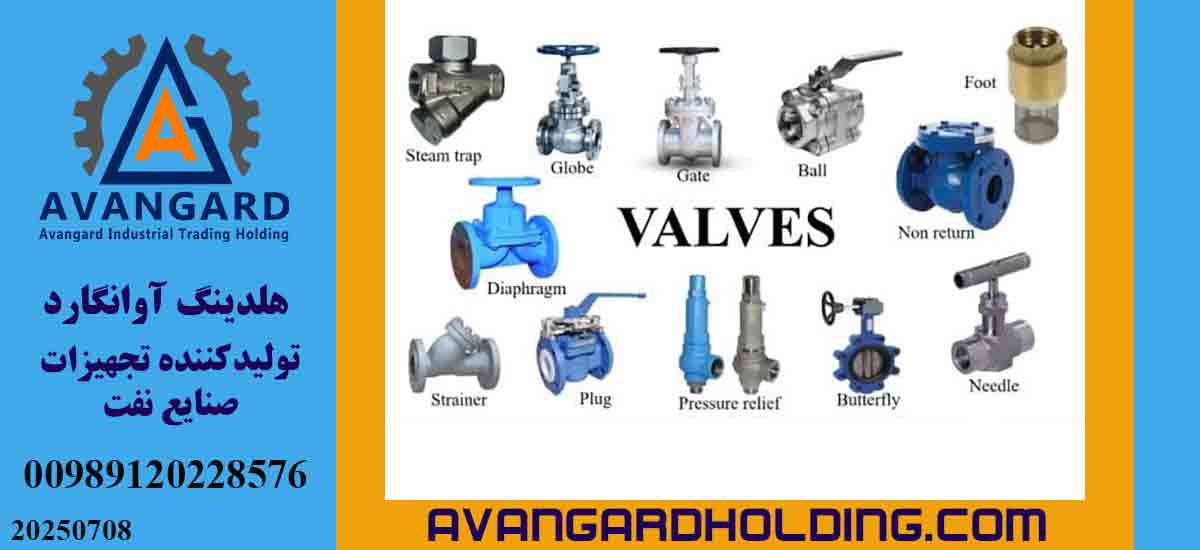


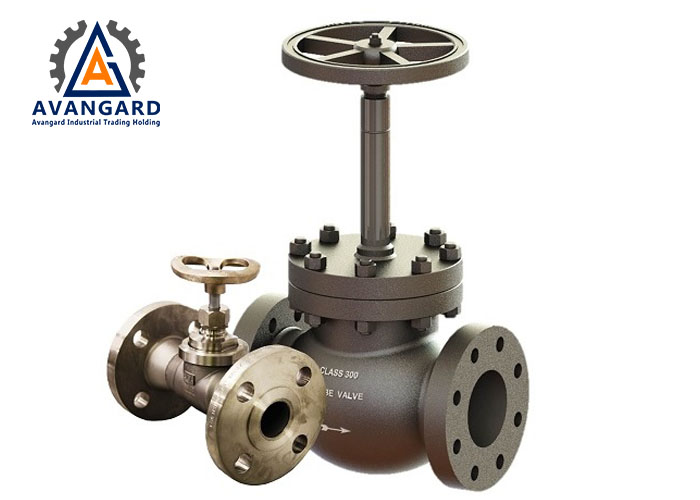
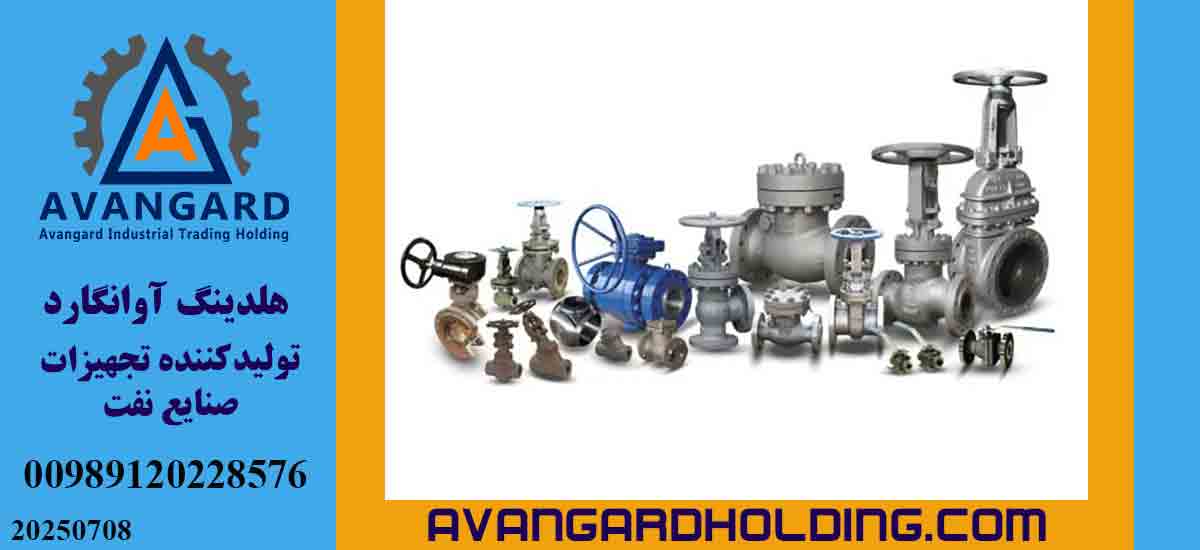
In Oil & Gas Industry Components that operate under high pressures, extreme temperatures, and corrosive environments, selecting the right alloy for manufacturing critical parts such as valves and flanges is of paramount importance. One of the most recognized standards in this field is ASTM A217/A217M, which defines the requirements for heat-resistant ferritic alloy steel castings, as well as a single grade of martensitic stainless steel (CA15), for pressure-containing parts. At Avangard Holding, this standard serves as the foundation for ASTM A217 casting and ASTM A217 valve casting, ensuring reliability and performance in the most demanding service conditions.
Grades of ASTM A217
The ASTM A217 standard includes nine grades of ferritic alloy steels and one grade of martensitic stainless steel. Each grade is designed with specific properties to meet requirements for temperature, pressure, and corrosion resistance:
- WC1 – Suitable for medium-temperature services with acceptable heat resistance.
- WC4, WC5 – Contain higher molybdenum content, offering improved resistance to corrosion and elevated temperatures.
- WC6 – Widely used in steam lines, with heat resistance up to 595 °C.
- WC9 – Contains higher chromium, suitable for high-temperature environments with mild corrosion.
- WC11 – Provides higher mechanical strength, ideal for higher-pressure applications.
- C5, C12 – Designed for conditions up to approximately 649 °C, with good oxidation resistance.
- C12A – Enhanced with vanadium and niobium, offering excellent creep resistance at high temperatures.
- CA15 – The only martensitic stainless steel grade, combining high hardness with strong corrosion resistance, ideal for demanding environments
Comparative Table of ASTM A217 Grades and Mechanical Properties
| Grade | Steel Type | Main Chemical Composition | Tensile Strength | Yield Strength | Features & Applications |
| WC1 | Ferritic Alloy | Cr ≤ 0.35%, Mo 0.45–0.65% | 65–90 ksi (450–620 MPa) | ≥ 35 ksi (240 MPa) | Suitable for medium-temperature service, cost-effective |
| WC4 | Ferritic Alloy | Cr 0.50–0.80%, Mo 0.45–0.65% | 70–95 ksi (485–655 MPa) | ≥ 40 ksi (275 MPa) | Improved oxidation resistance |
| WC5 | Ferritic Alloy | Cr 0.50–0.90%, Mo 0.90–1.20% | 70–95 ksi | ≥ 40 ksi | Higher corrosion resistance |
| WC6 | Ferritic Alloy | Cr 1.00–1.50%, Mo 0.45–0.65% | 70–95 ksi | ≥ 40 ksi | Most commonly used grade in high-pressure steam valves |
| WC9 | Ferritic Alloy | Cr 2.00–2.75%, Mo 0.90–1.20% | 70–95 ksi | ≥ 40 ksi | Suitable for mildly corrosive high-temperature environments |
| WC11 | Ferritic Alloy | Cr 1.00–1.50%, Mo 0.45–0.65% | 80–105 ksi | ≥ 50 ksi | Higher mechanical strength |
| C5 | Ferritic Alloy | Cr 4.00–6.50%, Mo 0.45–0.65% | 90–115 ksi | ≥ 60 ksi | Excellent oxidation and high-temperature resistance |
| C12 | Ferritic Alloy | Cr 8.00–10.00%, Mo 0.90–1.20% | 90–115 ksi | ≥ 60 ksi | Very resistant to corrosion and oxidation |
| C12A | Ferritic Alloy | Cr 8.0–9.5%, Mo 0.85–1.05%, V/Nb | 85–110 ksi | ≥ 60 ksi | Superior creep resistance at high temperatures, long service life |
| CA15 | Martensitic Stainless Steel | Cr 11.5–14.0%, Mo 0.5% | 90–115 ksi | ≥ 65 ksi | Only stainless grade, high hardness and corrosion resistance |
Analysis of Grade Selection for ASTM A217 Valve Casting
- WC6 – The most widely used choice for steam and high-pressure valves due to its balance between cost and heat resistance.
- C12 and C12A – Ideal options for highly corrosive conditions and very high temperatures.
- CA15 – Suitable for applications where, in addition to mechanical strength, corrosion resistance is also essential
Technical Advantages of ASTM A217 Casting in the Oil & Gas Industry
- High-Temperature Resistance: Ability to operate at elevated temperatures without loss of mechanical properties.
- Corrosion Resistance: Especially in grades with higher chromium and molybdenum content.
- Outstanding Mechanical Properties: Tensile strength up to 115 ksi and sufficient yield strength for severe pressure conditions.
- Creep Resistance: Particularly in alloy grades containing vanadium and niobium.
- Weldability: Can be welded using standard procedures with preheating and post-weld heat treatment (PWHT)
Production Process and Quality Control in ASTM A217 Valve Casting
The casting of ASTM A217 valves involves several key stages that must be carried out in accordance with standard requirements:
- Design and Modeling: Using CAD software and reverse engineering methods to ensure dimensional accuracy.
- Alloy Selection: Determining the appropriate grade based on pressure, temperature, and fluid type.
- Precision Casting: Controlling melting temperature and pouring molten metal into molds resistant to thermal shock.
- Heat Treatment: Normalizing and tempering to achieve the desired microstructure and mechanical properties, utilizing advanced heat treatment furnaces.
- Testing and Inspection: Including tensile and impact tests, chemical analysis, and non-destructive testing (NDT) such as MT and RT.
- Final Quality Control: Comprehensive inspection of dimensional accuracy, surface quality, and mechanical performance before delivery to the customer
Industrial Applications of ASTM A217 Castings
- High-Pressure Steam Valves
- Heat-Resistant Flanges and Fittings
- Components for Refinery and Petrochemical Units
- Crude Oil and Sour Gas Pipelines
- Safety and Pressure Control Valves in Power Plants
Key Considerations for Selecting ASTM A217 Valve Casting Grades
- Operating Conditions: Pressure, temperature, and type of fluid.
- Corrosion Resistance Requirement: Choose grades with higher chromium and molybdenum for corrosive environments.
- Repairability and Weldability: Important for projects anticipating periodic maintenance.
- Component Lifespan: Select grades with higher creep resistance for long-term service.
Avangard’s Competitive Advantage in ASTM-A217 Casting
Avangard Industrial Trading Holding, with over two decades of experience in ASTM-A217 casting and complex industrial component manufacturing, holds a strong position in Iran and the Middle East market. Our engineering team includes graduates from the University of Tehran, top-ranked metallurgical engineers from Sharif University of Technology, and an R&D team composed of professors and specialists from the University of Toronto, Canada.
This unique combination of practical experience, technical expertise, and international academic collaboration ensures that our products meet global standards for quality, durability, and performance in oil, gas, and petrochemical projects. In addition to manufacturing, we provide reverse engineering services, custom design, casting modeling, and alloy selection consulting.
Summary of ASTM-A217 Casting
The ASTM-A217 standard, covering a full range of ferritic alloy steels and the martensitic stainless steel grade CA15, is an ideal choice for manufacturing critical components in the oil and gas industry. Cast valves and other components produced to this standard ensure reliable performance under high pressure, high temperature, and corrosive conditions.
Avangard Steel & Castings Company(Steel and Cast Iron Casting), recognized as one of the leading foundries in the Middle East(Best Casting), leverages advanced technical knowledge, state-of-the-art equipment, and an international engineering team to provide services in purchasing, sales, pricing, manufacturing, and production of ASTM-A217 components with the highest quality and global standards.
🏢 Avangard Industrial Trading Holding – A Leader in Casting Parts Supply and Production in the Middle East 🌍 📞 Phone: +98 912 022 8576 🌐 Website: En.Avangardholding.com


