 فارسی
فارسی  Arabic
  Russian

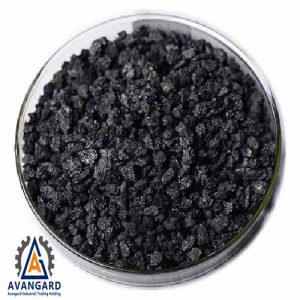
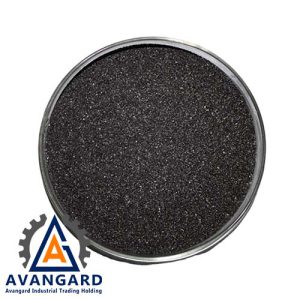
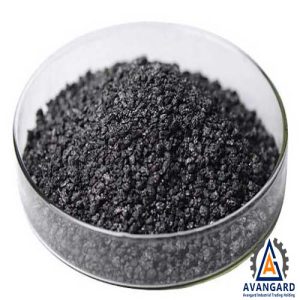


Graphite is one of the most important and widely used carbon materials across various industries. Due to its unique structure and distinctive physical and chemical properties, it plays a key role in numerous industrial processes. This material is produced and supplied in different grades, including low-sulfur graphite and high-sulfur graphite, each possessing specific characteristics and applications depending on its sulfur content. In this article, we examine the nature of graphite, the differences between low-sulfur and high-sulfur graphite, and their respective applications.
What is Graphite? Graphite is an allotrope of carbon with a layered crystalline structure. Carbon atoms in this structure are arranged in hexagonal sheets stacked upon each other, and this arrangement gives graphite its unique properties. The most notable characteristics of graphite include:
- High electrical conductivity: The presence of free electrons between carbon layers makes graphite an excellent conductor of electricity.
- High thermal resistance: Graphite remains stable at very high temperatures and exhibits significant resistance to thermal shocks.
- Natural lubricating property: The easy sliding of graphite layers over each other makes it an effective solid lubricant under high temperature and pressure conditions.

Low-Sulfur Graphite
Low-sulfur graphite refers to a type of graphite with a very low sulfur content, typically less than 0.05% by weight. This characteristic makes it highly suitable for use in sensitive industries and precise processes.
Characteristics of Low-Sulfur Graphite:
- Minimal sulfur content: Reduced sulfur helps prevent contamination, brittleness, and corrosion in the final metal products.
- High purity: Ideal for applications where metallurgical quality is critical.
Applications of Low-Sulfur Graphite:
- Foundry and metal melting industries: Used as an additive in steel and cast iron production to improve mechanical properties, control chemical composition, and reduce impurities.
- Graphite electrode manufacturing: Employed in electric arc furnace electrodes due to its excellent electrical conductivity and high purity.
- Battery manufacturing: Widely used in the production of lithium-ion and other advanced batteries because of its stability and superior quality.
High-Sulfur Graphite
High-sulfur graphite is an industrial graphite grade with a higher sulfur content compared to low-sulfur graphite. This increased sulfur level imparts specific properties that make this type of graphite suitable for certain industrial applications.
Sulfur Content in High-Sulfur Graphite: In high-sulfur graphite, the sulfur content typically ranges from 0.1% to 0.5% by weight. This level of sulfur, while reducing production costs, allows the use of this grade in industries that are less sensitive to sulfur impurities.
Applications of High-Sulfur Graphite:
- Chemical industry: Used as a raw material or catalyst in chemical processes where the presence of sulfur does not pose limitations.
- Industrial lubricants: Utilized for its natural lubricating properties in the production of solid and semi-solid lubricants, especially under high temperature and pressure conditions.
- Refractory industry: Applied in the manufacture of refractory bricks and components used in furnaces and thermal equipment, owing to graphite’s thermal stability and layered structure.
Comparative Table of Industrial Graphite Types (Low-Sulfur vs. High-Sulfur)
| Properties | Low-Sulfur Graphite | High-Sulfur Graphite |
| Sulfur Content (S) | Less than 0.05% | Approximately 0.1% to 0.5% |
| Carbon Purity (C) | Very high | High |
| Thermal Resistance | Excellent | Good |
| Electrical Conductivity | High | High |
| Impurity Levels | Minimal | Moderate |
| Effect on Metallurgical Properties | Enhances steel and cast iron quality | Acceptable for general applications |
| Primary Applications | Precision casting, graphite electrodes, battery manufacturing | Lubricants, chemical industry, refractory materials |
| Corrosion Sensitivity | Very low | Moderate |
| Supply Cost | Higher | More economical |
| Recommended Usage | High-precision and sensitive processes | General industrial processes |
Key Differences Between Low-Sulfur and High-Sulfur Graphite
Although both low-sulfur and high-sulfur graphite belong to the carbon material group, they differ significantly in chemical composition, performance, and application areas. Choosing the appropriate type is crucial for industrial processes.
Sulfur Content: Low-sulfur graphite contains a very low sulfur percentage, typically less than 0.05% by weight. In contrast, high-sulfur graphite has a higher sulfur content, generally ranging from 0.1% to 0.5%. This difference in sulfur levels is the main factor influencing the performance of these two grades.
Industrial Applications: Low-sulfur graphite, with its high purity and minimal impurities, is used in industries where the final product quality is critical. Examples include precision casting, steel and cast iron melting, and the production of advanced batteries.
On the other hand, high-sulfur graphite, with its more economical structure and lower sensitivity to sulfur content, finds broader applications in industries such as chemical processing, industrial lubricant production, and the manufacture of refractory bricks and components.
Physical and Chemical Properties: Low-sulfur graphite generally exhibits more stable mechanical properties and controlled chemical behavior, enhancing the quality and durability of the final products. High-sulfur graphite, due to its higher sulfur content, demonstrates different properties that can be advantageous in specific applications, such as lubrication or general thermal processes.

Introduction to GPC and CPC
In the carbon industry, in addition to natural and synthetic graphite, various types of petroleum coke are also widely used. GPC (Graphitized Petroleum Coke) and CPC (Calcined Petroleum Coke) are two common and highly utilized forms of these materials, each possessing distinct characteristics and applications.
GPC (Graphitized Petroleum Coke) GPC, or graphitized petroleum coke, is produced through the graphitization of petroleum coke. In this process, petroleum coke is heated to extremely high temperatures, typically above 2800°C, to transform its crystalline structure into a regular graphite structure.
Characteristics of GPC:
- Very high carbon purity: Carbon content is usually above 98%, with ash and sulfur levels minimized.
- Excellent electrical conductivity: The well-ordered graphite structure makes GPC suitable for efficient electrical current conduction.
- High thermal stability: Exceptional resistance to high temperatures and thermal shocks is a notable feature of this material.
Applications of GPC:
- Graphite electrode production: Used as a primary material in manufacturing electrodes for electric arc furnaces.
- Foundry and metal melting industries: An effective additive in steel and cast iron production to improve mechanical properties and reduce impurities.
- Battery manufacturing: Widely employed in the production of lithium-ion and other advanced batteries due to its high purity and stability.
Conclusion and Purchasing Graphite from Avangard
Choosing the right type of graphite, whether low-sulfur or high-sulfur, has a direct impact on the quality, durability, and performance of industrial products. Therefore, sourcing this strategic material from a reputable and specialized provider is of critical importance.
Avangard, leveraging technical expertise, provides high-quality, controlled graphite along with professional consultation tailored to the needs of each industry. Recognized as a trusted supplier of carbon materials in the country, Avangard ensures quality assurance, a diverse range of grades, and technical support, making it a reliable choice for foundries, steel production, battery manufacturing, and refractory industries.
🏢 Avangard Industrial Trading Holding Company – A pioneer in supplying and manufacturing casting parts in the Middle East 🌍 📞 Phone: +98 912 022 8576 🌐 Website: En.Avangardholding.com


