 فارسی
فارسی  Arabic
  Russian

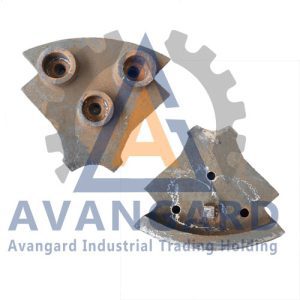
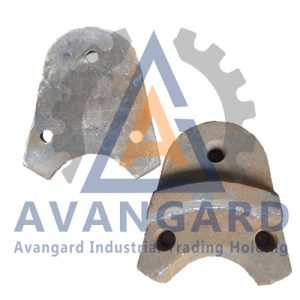
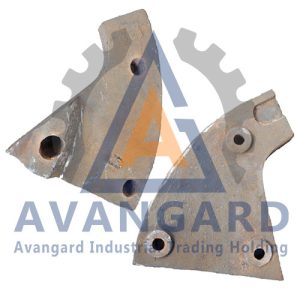
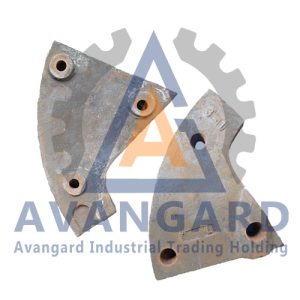
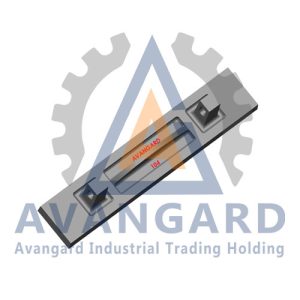
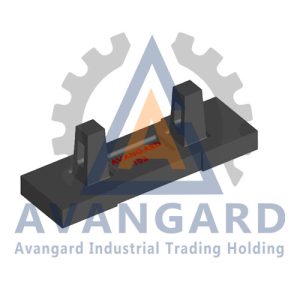
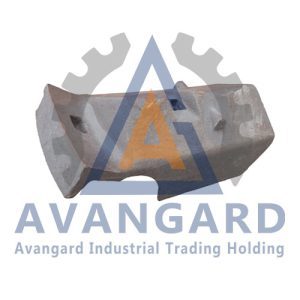
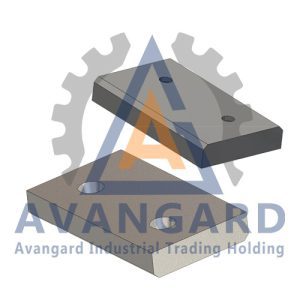
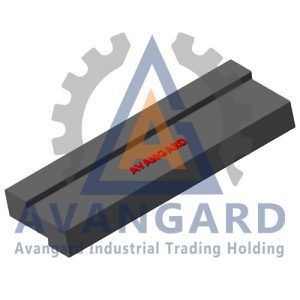
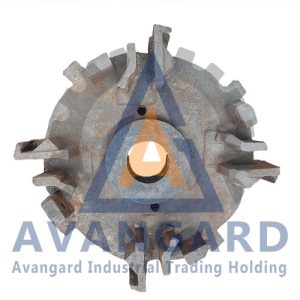

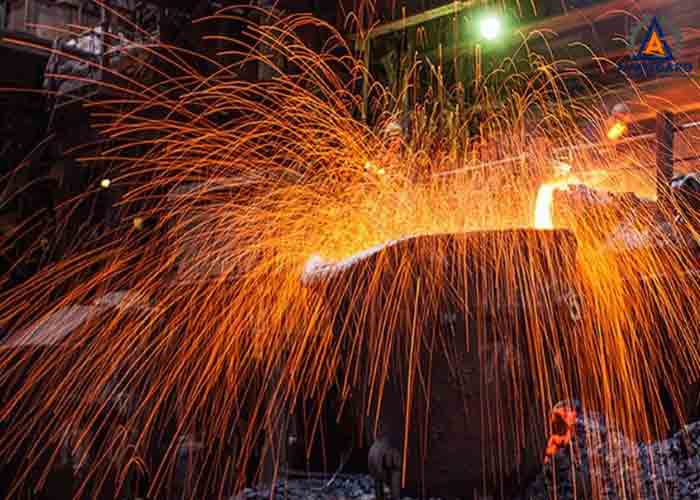
Metal casting, despite significant technological advancements, still relies on fundamental principles similar to those used thousands of years ago. This technique, thanks to the wide variety of alloys, enables the production of high-quality and diverse components) Casting Components ( for various industries. In addition to its economic benefits, metal casting remains highly efficient from a technical standpoint. However, the proper selection of alloys — based on the expected characteristics of the final product — plays a decisive role in achieving optimal results. To better understand this process, it is essential to examine the key properties and selection factors of casting alloys.
Key Factors in Selecting Casting Alloys
- Fluidity Casting alloys should exhibit excellent flowability in the molten state, which facilitates the casting process. High fluidity ensures complete mold filling and enables the production of cast parts with intricate geometries. Proper melting temperatures further simplify the handling and pouring of these materials.
- Machinability Alloys with superior machinability allow for the precise production of parts with specific dimensions and technical features. Even after the initial casting stage, advanced machining processes can be applied to achieve the required tolerances and surface characteristics.
- Corrosion Resistance Through the precise design of alloy compositions, it is possible to manufacture components with excellent resistance to corrosion and rust in various working environments. This property enhances the durability of parts and minimizes the need for frequent maintenance or early replacement.
- Durability and Mechanical Strength Casting alloys, typically composed of different metallic elements, offer outstanding strength and mechanical durability. These properties allow the production of components that can withstand pressure, impact, and harsh environmental conditions. By selecting the right alloying elements, manufacturers can achieve optimal mechanical performance.
Different industries rely on specialized alloys with distinct properties to produce their components. Selecting the right casting alloy not only reduces production time and costs but also enhances the physical and mechanical properties of the parts — optimizing them for their intended applications. In the following sections, we will explore the main categories and specifications of industrial casting alloys.
Zinc Alloys in Metal Casting
Zinc-based alloys have exceptionally low melting points, which makes their casting process simple, fast, and highly efficient. This characteristic allows for reduced energy consumption and faster production cycles. In addition, these alloys offer excellent machinability, enabling precise and effortless shaping of components.
However, zinc alloys are not ideal for high-temperature or high-pressure environments, as their mechanical performance tends to decrease under such conditions. Therefore, their use is generally recommended for applications that do not involve elevated thermal or structural stresses.
Applications of Zinc Alloys
Thanks to their unique combination of physical and mechanical properties, zinc alloys are widely used across various industries, including:
- Consumer products and everyday household items
- Jewelry and decorative accessories
- Electronic devices and circuit components
- Batteries and power cells
- Automotive parts and fittings
- Medical equipment and devices
- Architectural and construction materials
- Marine and nautical components
Zinc is considered a clean, non-toxic, and environmentally friendly element. It can be recycled with ease, which offers significant economic and ecological advantages — making it a sustainable choice for modern industrial production.
Special Zinc Alloys
- ZL-3: This alloy is specifically designed for hot-chamber die casting processes. Due to its excellent mechanical properties and superior machinability, it is widely used in the production of automotive components, engineering equipment, locks, and other precision industrial parts. ZL-3 can be easily polished, lacquered, powder-coated, and electroplated, offering excellent surface finishing versatility and high aesthetic quality.
- ZL-5: ZL-5 is suitable for applications where dimensional accuracy is not critically required, while still maintaining the key benefits of zinc alloys — such as low melting point, smooth castability, and easy machinability. It serves as a practical choice for cost-effective production of medium-precision parts.
Tin Alloys in Casting and Industrial Coating
Tin-based alloys are known for their high durability, corrosion resistance, and strong surface bonding characteristics, making them ideal for industrial coating and casting applications. These alloys significantly improve the surface quality and performance of components made from other base metals, thereby enhancing the overall product reliability and lifespan.
With their low melting temperature, tin alloys offer simple, efficient, and cost-effective casting and coating processes, which make them particularly suitable for industrial-scale manufacturing.
Main Applications of Tin Alloys
- Consumer goods and everyday products
- Food cans and packaging containers
- Tin-coated steels
- Superconducting magnets
- Industrial piping systems
- Various types of bearings
- Industrial component coating and surface protection
Copper Alloys in Industrial and Consumer Component Production
Copper-based alloys are widely used in various manufacturing applications due to their high mechanical strength, durability, and excellent corrosion resistance. However, their use in extremely high-temperature environments can be somewhat limited.
One of the most notable advantages of copper alloys is their exceptional ductility and superior machinability, which allow for the efficient production of complex and precision-engineered parts. These properties make copper alloys a preferred choice in both industrial and consumer product manufacturing.
Common Applications of Copper Alloys
- Consumer products and everyday household goods
- Bells and chimes of various sizes
- Musical instruments such as trumpets and brass wind instruments
- Radiator cores and heat exchange systems
- Specialized industrial machinery and precision equipment
- Plumbing fittings, pipe joints, elbows, and water pressure regulators
Aluminum Alloys in Industrial Casting
Aluminum alloys are among the most widely used materials in modern casting industries, primarily because of their excellent strength-to-weight ratio, high fluidity, and easy machinability. These characteristics enable the efficient production of lightweight yet durable parts, even with intricate geometries.
In addition to their mechanical advantages, aluminum alloys are highly recyclable, providing both economic and environmental benefits for industrial manufacturers. To enhance their mechanical strength and wear resistance, silicon is commonly added to aluminum alloys.
One of the most popular aluminum casting alloys is LM-6, which, due to its high silicon content, offers excellent fluidity, superior resistance to pressure and abrasion, and outstanding dimensional stability—making it ideal for the production of high-precision industrial components.
Other well-known alloys, such as LM-24 and LM-6T, also provide distinctive mechanical and physical properties, each optimized for specific industrial applications depending on the required performance characteristics.
Common Applications of Aluminum Alloys
- Consumer products and everyday household items
- Food and beverage packaging materials
- Aluminum frames and structural profiles
- Automotive body panels and interior components
- Marine equipment and machinery
- Kitchenware and cooking appliances
- Electronic components and devices
- Aerospace industry and aircraft component manufacturing
By analyzing the properties of various aluminum alloys, one can better understand how different alloying elements affect their mechanical and physical characteristics, allowing for more accurate material selection in industrial applications.
Avangard Holding has conducted extensive studies on these alloys and their applications to provide comprehensive technical insight and practical guidance for industries seeking high-quality casting materials and components.
Lead Alloys in Casting and Industrial Applications
Lead-based alloys, known for their good corrosion resistance and versatility, are used in a wide range of industrial and manufacturing applications. Their unique composition allows them to perform effectively in diverse environmental conditions, making them suitable for use where other materials may be prone to chemical degradation.
Although the mechanical strength of lead alloys is relatively lower compared to other metallic systems, they continue to play a valuable role in several industries due to their distinct properties, including excellent malleability, ease of casting, and resistance to environmental corrosion.
Common Applications of Lead Alloys
- Consumer products and everyday household goods
- Automotive batteries
- Metal cans and packaging materials
- Vehicle fuel tanks
- Various automotive components
- Roofing sheets and protective coverings
- Petrochemical industry equipment and accessories
Because of their durability and corrosion resistance, lead alloys remain a reliable choice for applications exposed to variable environmental conditions where long-term protection and chemical stability are essential. Their adaptability and ease of processing continue to make them relevant in modern industrial use.
Bronze and Brass Alloys in Industrial Casting
Bronze and brass alloys are highly valued in industrial casting due to their excellent mechanical strength, corrosion resistance, and environmental compatibility. These alloys are ideal for producing decorative components, automotive parts, and precision mechanical elements such as camshafts, bushings, and washers.
Brass, primarily composed of copper and zinc, offers exceptional versatility — its mechanical and physical properties can be precisely adjusted by altering the ratio of these two elements. This tunability makes brass a flexible and practical choice across numerous industries and applications.
The casting of brass components has become increasingly popular among manufacturers thanks to its balanced physical performance, ease of casting, and strong corrosion resistance. At Avangard Holding, we conduct in-depth analyses of brass casting processes and alloy compositions to provide industrial clients with accurate technical data, improved production efficiency, and optimized material performance.
Steel Alloys in Industrial Casting
Steel is one of the most widely used alloys across all industrial sectors. It is produced by adding ferroalloys to iron, which enhances its mechanical and structural characteristics. Stainless steel, containing a minimum of 10.5% chromium, offers exceptional corrosion resistance along with remarkable hardness and durability. Increasing the amount of chromium and molybdenum significantly improves the steel’s ability to withstand harsh environmental and chemical conditions. However, stainless steels may present certain limitations in machinability and tensile strength, depending on their composition and heat treatment.
On the other hand, carbon steel is produced without significant alloying additions, yet it exhibits excellent machinability and weldability, allowing for a wide range of industrial fabrication processes. Carbon steel provides good mechanical strength, and by adding elements such as manganese, nickel, molybdenum, silicon, and titanium, its resistance to wear, impact, and corrosion can be substantially enhanced.
Steel casting, depending on the specific alloy type, demands a high level of precision, technical expertise, and metallurgical knowledge, making it one of the most critical processes in the metalworking industry.
At Avangard Holding, we conduct comprehensive analyses of steel casting methods and alloy performance to support industrial manufacturers with reliable technical insights. Our foundry specializes in the precision casting of manganese steel, Ni-Hard cast iron casting, and high-chromium cast ironcasting , ensuring the production of high-strength, wear-resistant components for demanding industrial applications.
Comparison Table of Casting Alloy Characteristics
| Alloy Type | Corrosion Resistance | Machinability | Cost | Tensile Strength | Hardness | Weldability | Wear Resistance | Durability |
| Gray Cast Iron | Very Low | Very High | Very Low | Medium | High | Very Low | High | Very Low |
| White Cast Iron | Very Low | High | Very Low | Very High | Very Low | Very High | Very Low | Very Low |
| Ductile Iron | Very Low | High | Very Low | Medium | High | Very Low | Medium | Very Low |
| Stainless Steel | High | Low | High | Very Low | Low | Medium | Very Low | Very High |
| Steel Alloy | Low | Medium | Medium | High | High | Low | High | Low |
| Carbon Steel | Low | Medium | Low | Medium | Medium | Very High | Medium | High |
| Copper Alloys | High | High | Very High | Low | Low | Very High | Low | Medium |
| Nickel Alloys | Very High | Low | Very High | Medium | Medium | Low | Low | High |
| Aluminum Alloys | Medium | High | Medium | Low | Very Low | Medium | Low | Medium |
Get the Best Professional Casting Services from Avangard
Casting with various alloys is one of the most efficient and cost-effective methods for producing a wide range of industrial components and products. Many industries base their manufacturing processes on casting and the use of materials with specific mechanical and chemical properties. Choosing the right alloy and understanding its characteristics play a crucial role in the performance and durability of the final parts.
Avangard provides a wide range of professional modeling and casting services, including: • Cast Iron Casting • Steel Casting • Stainless Steel Casting
With the experience and technical expertise of the Avangard team, you can benefit from a faster, higher-quality, and more cost-efficient casting process — producing accurate components that perfectly match your industrial requirements.
🏢 Avangard Industrial Trading Holding Company – A pioneer in supplying and manufacturing casting parts in the Middle East 🌍 📞 Phone: +98 912 022 8576 🌐 Website: En.Avangardholding.com


