 فارسی
فارسی  Arabic
  Russian

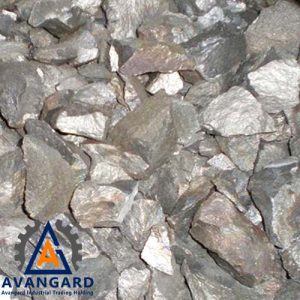
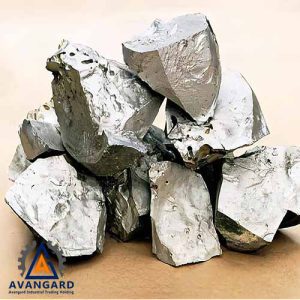
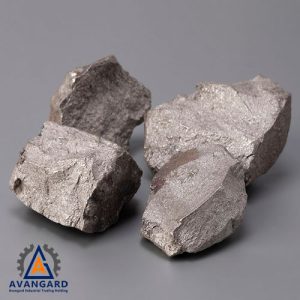
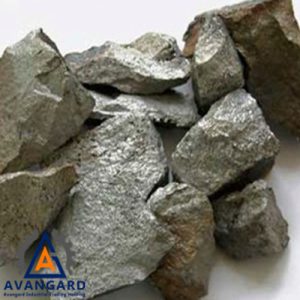
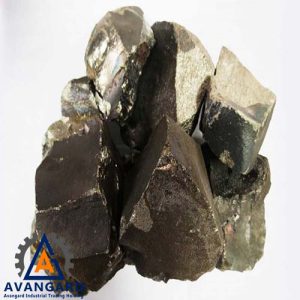
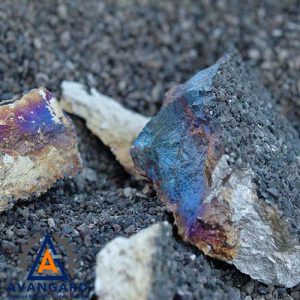
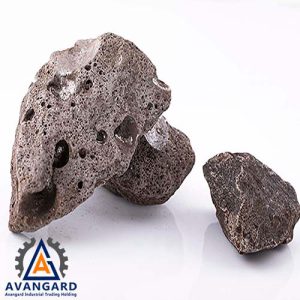
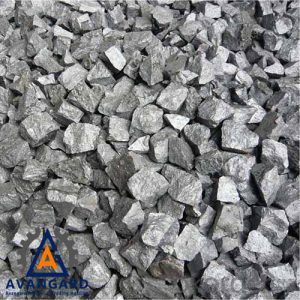

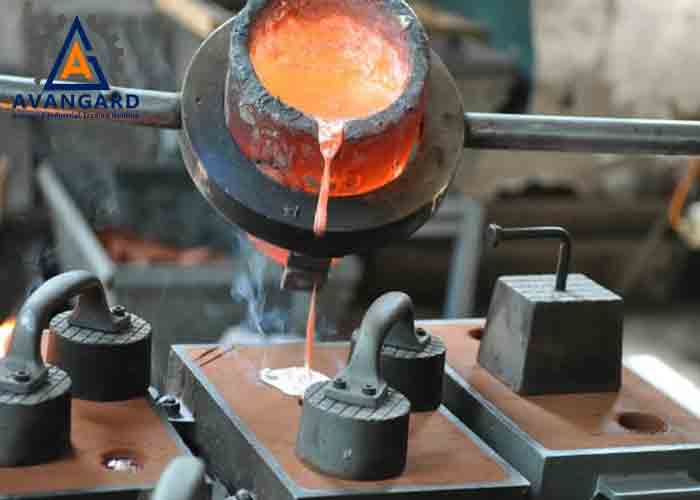
Zinc casting is one of the most widely used methods in the production of metal components. In this process, Zinc alloys are melted and poured into molds with predetermined shapes and dimensions. This technique is particularly suitable for manufacturing parts that require high dimensional accuracy, smooth surfaces, and complex details.
The relatively low melting point of zinc, along with its unique physical properties, allows the process to be carried out at high speed and with significant efficiency.
One of the key advantages of zinc casting is the ability to achieve mass production of components with consistent quality. For this reason, it holds a special place in industries such as automotive, electronics, household appliances, and the manufacturing of industrial equipment. In addition, the lower production cost compared to other methods makes zinc casting an economical and efficient choice.
What Is Zinc Casting?
Zinc casting is a manufacturing process in which molten zinc alloy is shaped into its final form using precision molds. This method is highly valued for its dimensional accuracy, superior surface quality, and reliable mechanical strength, which make it widely applicable across various industries.
For a deeper understanding of this process and its comparison with other techniques, you may refer to our article “What Is Casting?
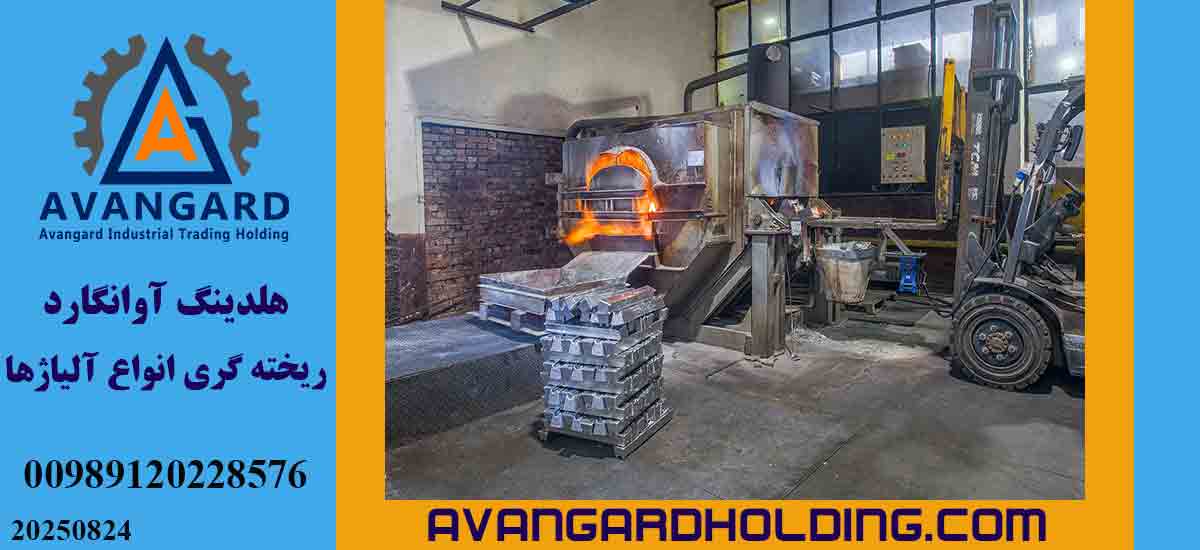
Zinc Die Casting
In zinc die casting, molten zinc alloys are injected into pre-prepared molds under high pressure. The combination of high strength, ductility, and a relatively low melting point makes zinc an ideal material for producing precise, durable, and high-performance components.
Die Casting Methods
- Hot Chamber Die Casting
Also known as the “gooseneck casting” process, this method is suitable for metals with a low melting point such as zinc, magnesium, and certain aluminum alloys. In this technique, the furnace is an integral part of the machine, allowing for fast and continuous production. Key advantages of the hot chamber method include longer mold life, reduced maintenance requirements, and overall cost savings.
- Cold Chamber Die Casting
This method is used for metals with higher melting points, such as aluminum and copper. In this process, the molten metal is poured into a cold chamber before being injected into the mold, which helps protect the equipment from thermal damage. Cold chamber die casting is particularly suited for producing components with high strength and special thermal properties, making it a preferred choice in industries such as automotive, aerospace, and heavy machinery manufacturing.
Stages of Zinc Die Casting
- Mold Preparation The molds are cleaned and lubricated to ensure easy part release. The two halves of the mold are then clamped tightly under high pressure.
- Injection Molten zinc alloy is poured into the hot chamber and injected into the mold cavity under high pressure.
- Cooling and Ejection Once the alloy cools and solidifies, the mold is opened and the part is ejected.
- Trimming and Finishing Excess material and flash are removed, while the scrap can be recycled for reuse.
Alloys Used in Zinc Casting
- Zamak 2: The strongest alloy in the Zamak family, suitable for automotive and mechanical components.
- Zamak 3: The most widely used zinc die-casting alloy, offering an excellent balance of strength, hardness, and machinability.
- Zamak 7: A purer and more ductile alloy, ideal for producing parts with fine details.
- ZA-8: A zinc–aluminum alloy with high mechanical durability.
- ACuZinc5: Hard, heat-resistant, and suitable for components requiring high strength.
Comparison Table of Zinc Casting Alloys
| Alloy | Main Features | Advantages | Applications |
| Zamak 2 | Strongest and hardest alloy in the Zamak family | High mechanical strength, excellent wear resistance | Automotive parts, heavy mechanical components |
| Zamak 3 | Most common zinc die-casting alloy | Good balance of strength and hardness, easy machinability, dimensional stability | Electronics, hardware fittings, household appliances |
| Zamak 7 | Purer and more ductile than Zamak 3 | Smoother surface finish, high polishability | Decorative parts, components with fine details |
| ZA-8 | Zinc–aluminum alloy with higher aluminum content | Greater mechanical durability than Zamak, improved resistance | Components under high load and pressure |
| ACuZinc5 | High hardness and creep resistance | Suitable for high temperatures, good lubricity | Engine parts, gears, bushings |
Advantages of Zinc Casting
- Easy Assembly: Components can be produced as integrated, single pieces.
- High Precision: Enables the design of thin walls without compromising strength.
- Superior Mechanical Properties: Excellent resistance to corrosion, stiffness, and impact strength.
- Capability for Complex Geometries: Suitable for moving parts and intricate shapes.
- Longer Mold Life: Molds last up to 10 times longer compared to other casting methods.
- Faster Production Rates: Production speed is 150–200% higher than aluminum casting.
Disadvantages of Zinc Casting
- Potential Defects: Risk of porosity and blistering due to rapid injection and fast cooling.
- Higher Weight: Zinc is heavier than aluminum.
- Not Cost-Effective for Low Volumes: High mold-making costs make this process more suitable for mass production.
Applications of Zinc Casting in Different Industries
- Automotive Industry: Manufacturing components such as bearings, door lock mechanisms, brake systems, and steering parts.
- Electronics Industry: Production of casings, switches, timers, and connectors, often using Zamak 3 alloy.
- Household Appliances & Hardware: Handles, door locks, furniture fittings, and decorative parts.
- Machinery & Mechanical Components: Gears, bushings, and engine parts using alloys such as ZA-8 and ACuZinc5.
- Custom Applications: Promotional items, decorative pieces, and artistic products.
Why Choose Avangard for Zinc Casting?
Zinc casting is one of the most effective methods for producing components with high strength and durability. The final quality of the product depends on selecting the right alloy, proper mold design and modeling, precise control of melting temperature, and finishing operations.
At Avangard, all these processes are carried out by experienced engineers using the most advanced equipment to ensure that the final product meets the highest quality standards.
🏢 Avangard Industrial Trading Holding – A Leader in Casting Parts Supply and Production in the Middle East 🌍 📞 Phone: +98 912 022 8576 🌐 Website: En.Avangardholding.com


