 فارسی
فارسی  Arabic
  Russian

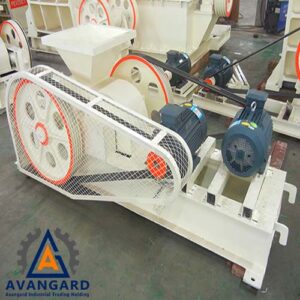
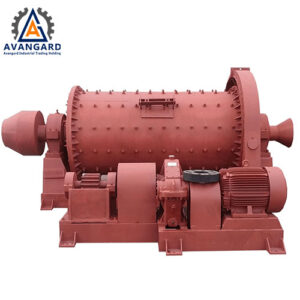
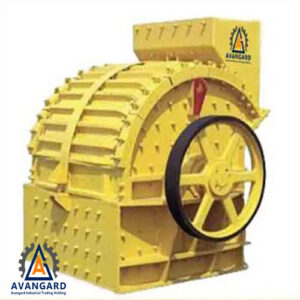

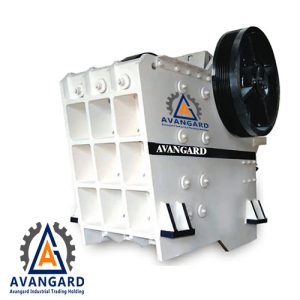
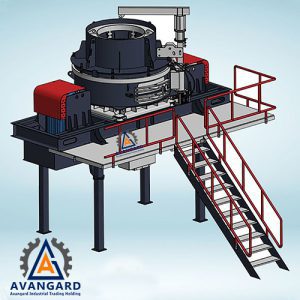
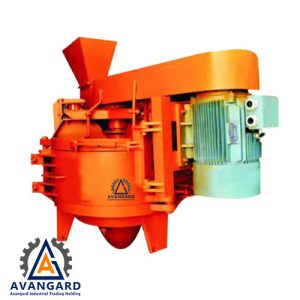
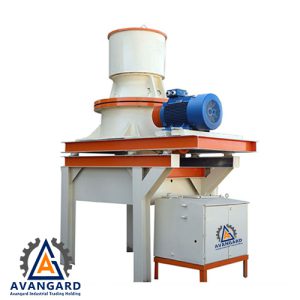
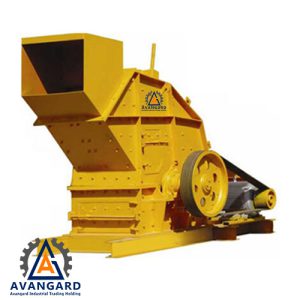
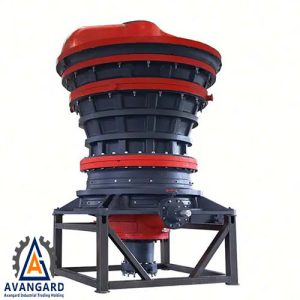

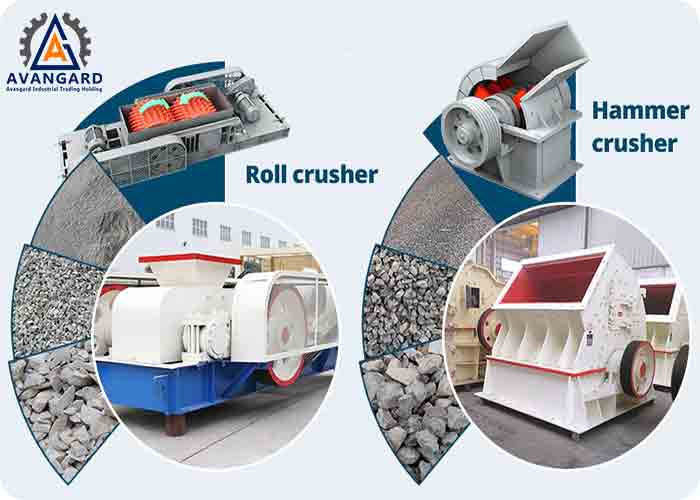
In the mining industry, selecting the right crushing equipment(Crusher machine) in other words, the appropriate crusher—has a direct impact not only on productivity, product grading, and final output quality, but also plays a critical role in operating costs, equipment wear, downtime, and overall operational safety.
The physical and mechanical differences between hard rocks such as iron ore, copper, and chromite, and softer materials like coal, bauxite, and limestone, significantly influence the choice of machinery, power consumption, wear rate, repair costs, and operational efficiency.
In this article, Avangard Industrial and Trading Holding aims to provide a scientific, technical, and engineering-based review of the performance and maintenance costs of various types of crushing equipment under diverse mining conditions
Understanding Hard and Soft Rock Mines
Characteristics of Hard Rock Mines:
- Contain rocks with a hardness rating above 6 on the Mohs scale
- High content of siliceous, ferrous, and metallic compounds
- High abrasiveness and low brittleness
Characteristics of Soft Rock Mines:
- Rocks with a hardness rating below 5 on the Mohs scale
- Soft, clay-like, or layered textures
- High moisture content and greater presence of organic compounds
Importance of Identifying Rock Typ:
- Determines key design parameters such as feed opening size, motor power, and crushing ratio
- Prevents premature damage to equipment
- Optimizes energy consumption and minimizes downtime
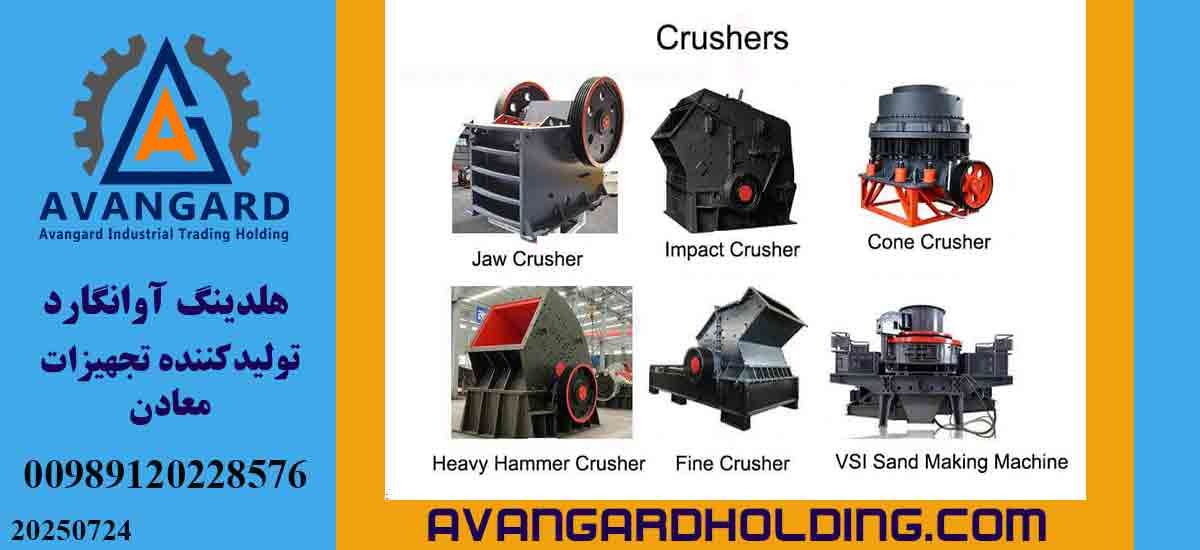
Performance Comparison of Crushing Equipment in Hard vs. Soft Rock Mines
| Equipment Type | Performance in Hard Rock Mines | Performance in Soft Rock Mines | Key Feature |
| Jaw Crusher | Excellent; ideal for primary crushing | Usable but less recommended | High load capacity and large feed opening |
| Cone Crusher | Best choice for secondary and tertiary stages | Rarely used | High precision in producing specific gradation |
| Impact Crusher (Horizontal Shaft) | Poor; wears out quickly | Performs well and cost-effective | Simple design and easy maintenance |
| Hammer Crusher (Behringer type) | Unsuitable for hard materials | Very suitable | Fast and uniform crushing |
| HPGR (High Pressure Grinding Rolls) | Highly efficient for abrasive ores | Not applicable | High energy efficiency and low maintenance cost |
Technical Analysis of Maintenance and Repair Costs
| Cost Factor | Hard Rock Mines | Soft Rock Mines |
| Spare Parts (Jaw, Mantle, Hammers) | Very expensive; require wear-resistant alloys | Cheaper; higher consumption but easy to replace |
| Lubrication and Oil Change | Frequent and costly | Less frequent with lower costs |
| Labor | Skilled technicians with engineering expertise | More general workforce with lower cost |
| Downtime | Critical and costly | Less critical |
| Overall Monthly Maintenance Cost | High (10%–15% of initial equipment cost) | Moderate to low (5%–7% of initial equipment cost) |
Factors Influencing Cost Increases or Reductions in Each Mine
In Hard Rock Mines:
- Use of wear-resistant alloys such as high-chromium cast iron or manganese steel
- Implementation of automation systems for load control and bearing temperature monitoring
- Modular plant design for faster and more efficient maintenance operations
In Soft Rock Mines:
- Selecting high-capacity equipment to reduce service frequency
- Utilizing multi-functional machines such as hammer crushers and combined crushers-mills
- Reducing the number of crushing stages due to the brittle nature of the material
Advantages and Disadvantages of Equipment in Real-World Conditions
Advantages of Equipment in Hard Rock Mines:
- Precise particle size output suitable for mill feed
- High durability against mechanical shocks
Disadvantages
- High initial purchase cost
- Longer repair times
Advantages of Equipment in Soft Rock Mines:
- Low maintenance costs
- Simple mechanisms and fast repairs
Disadvantages:
- Sensitivity to moisture and material clogging due to mud
- Risk of feed inlet blockage if not properly designed
Conclusion and Engineering Recommendations
In designing crushing circuits, selecting the right machinery is only part of the equation. It is equally important to carefully evaluate working conditions of the mine, rock hardness, abrasiveness, moisture content, expected capacity, energy consumption, crusher part compatibility with the deposit, and maintenance capabilities.
Optimization through proper equipment selection based on mine characteristics leads to reduced downtime, increased service life, energy savings, and overall cost reduction.
Practical Recommendation:
For hard rock mines, a combination of jaw crusher, cone crusher, and HPGR is recommended.
For soft rock mines, using a simplified and accessible circuit with a combination of impact crusher (horizontal shaft) and hammer crusher is generally sufficient
🏢 Avangard Industrial Trading Holding – A Leading Supplier and Manufacturer of Mining Equipment in the Middle East
📞 Phone: +98 912 022 8576
🌐 Website: En.Avangardholding.com


