فارسی
فارسی  العربية
  Русский
  Azərbaycan
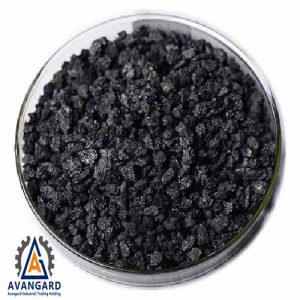
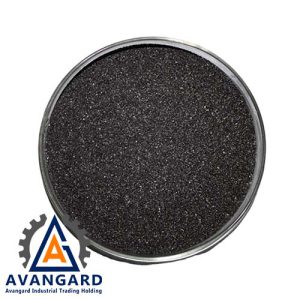
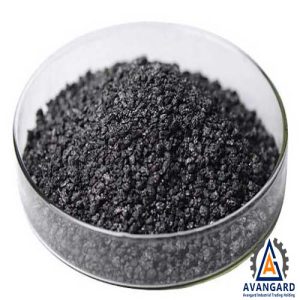


Graphite is one of the most important stable forms of carbon, which, due to its layered structure and unique atomic bonding, holds a prominent position in metallurgy, foundry, and industrial component manufacturing. Its regular arrangement of carbon atoms in hexagonal planes provides properties such as excellent thermal and electrical conductivity, chemical stability at high temperatures, and natural lubricity. These characteristics make graphite a key material in the production of cast iron, steel, refractory components, and furnace consumables.
Depending on the source and processing method, graphite is classified into different types, each with distinct industrial applications and performance characteristics. A thorough understanding of these types helps manufacturers select the appropriate foundry raw materials, enhancing the quality of the final product while controlling production costs. In modern foundry industries, choosing the right type of graphite not only affects the mechanical properties of components but also directly influences equipment lifespan and the economic efficiency of production lines.

Natural and Synthetic Graphite: Differences, Structure, and Industrial Applications
Natural graphite is extracted from mineral deposits and is used in various forms depending on geological conditions. Due to its natural origin, it possesses a layered structure and physical properties suitable for many industrial applications, including cast iron foundry, heat-resistant coatings, and refractory industries.
In contrast, synthetic graphite is produced from carbonaceous materials through controlled high-temperature processes, resulting in a product with higher purity and more uniform properties. These characteristics make synthetic graphite ideal for more demanding industries, such as electric arc furnace electrodes and high-precision castings(Foundry Parts). Differences in production methods between natural and synthetic graphite lead to variations in performance, durability, and cost. Selecting the appropriate type should be based on the specific application, operational conditions, and technical requirements.
- Differences in source and production process
- Variations in structural uniformity and purity
- Distinct applications in foundry and steelmaking
Types of Graphite Used in the Foundry Industry In the foundry industry, graphite is one of the most important carbon-based raw materials, playing a key role in controlling the chemical composition of molten metal, improving the quality of castings, and enhancing production efficiency. Graphites used in this sector are categorized based on their source, sulfur content, carbon purity, and processing method.
Low-sulfur graphite is widely used in the production of high-quality cast irons due to its better control over metallurgical reactions and reduction of casting defects. In contrast, high-sulfur graphite is applied in situations where sulfur sensitivity is lower and production cost is a more critical factor.
Calcined graphite, obtained through the thermal processing of carbonaceous materials, is preferred in many industrial processes because of its thermal stability and uniform composition. Additionally, petroleum-based graphite and synthetic graphite are utilized in precision casting and the production of sensitive industrial components due to their high purity and precisely controlled properties.
Choosing the right type of graphite has a direct impact on production quality, final cost, and the performance of the finished part, requiring a thorough understanding of the technical characteristics of each graphite type.
Table Types of Graphite Used in Foundry
| Graphite Type | Key Feature | Foundry Application | Sulfur Sensitivity |
| Low-Sulfur | High Purity | High-Quality Cast Iron | Very High |
| High-Sulfur | Cost-Effective | General Applications | Low |
| Calcined | Thermal Stability | Industrial Casting | Medium |
| Petroleum-Based | Uniform Composition | Molten Carbon Control | Low |
| Synthetic | Property Control | Precision Components | Very Low |
| Natural | Easy Availability | General Applications | Variable |
Guide to Selecting Industrial Graphite and Factors Affecting Price and Quality
Selecting the appropriate industrial graphite requires a careful evaluation of technical specifications and application conditions. Factors such as carbon purity, thermal stability, impurity levels, and particle size play a decisive role in the material’s final performance. Additionally, market conditions, production costs, and fluctuations in raw material availability influence graphite pricing.

In the foundry industry, using high-quality graphite can reduce waste, increase production efficiency, and improve the surface quality of castings. Conversely, incorrect selection may impose significant hidden costs on the production process. Partnering with a specialized supplier ensures that graphite is chosen according to the technical and economic requirements of each project, enabling production to proceed with greater reliability.
- Review technical specifications suitable for the intended application
- Consider the impact of quality on overall production cost
- The importance of specialized consultation at the time of purchase
Conclusion Graphite, as a fundamental material in foundry and metallurgy industries, plays a crucial role in the quality, durability, and performance of industrial components. Understanding the different types of graphite, their production methods, and specific applications helps manufacturers make informed decisions in design and production.
Selecting the right raw material not only enhances product quality but also directly affects production cost and commercial success. Avangard Industrial Trading Holding, leveraging its experience and expertise in supplying raw materials, provides industries with the opportunity to procure high-quality, competitively priced graphite with confidence, optimizing their production processes.
🏢 Avangard Industrial Trading Holding Company – A pioneer in supplying and manufacturing casting parts in the Middle East 🌍 📞 Phone: +98 912 022 8576 🌐 Website: En.Avangardholding.com