فارسی
فارسی  العربية
  Русский
  Azərbaycan

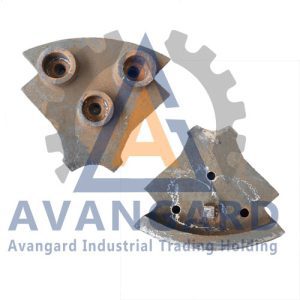
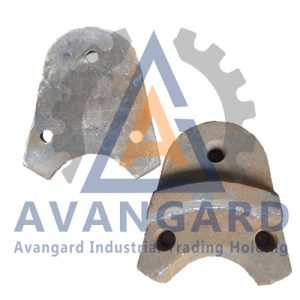
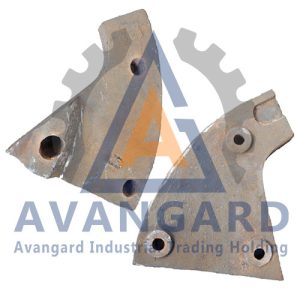
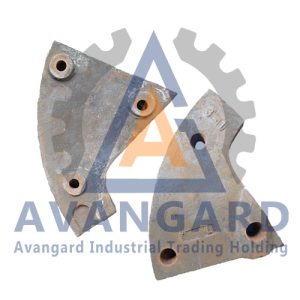
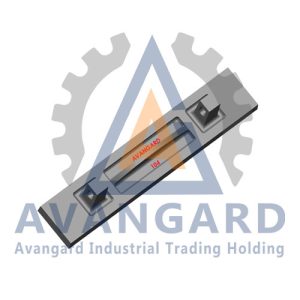
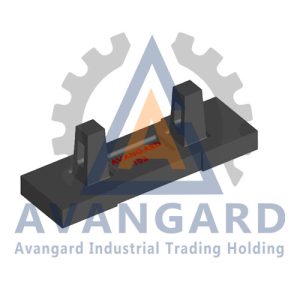
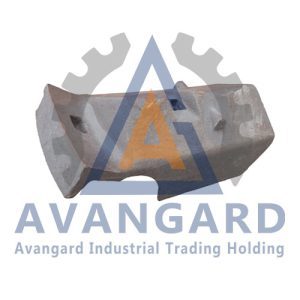
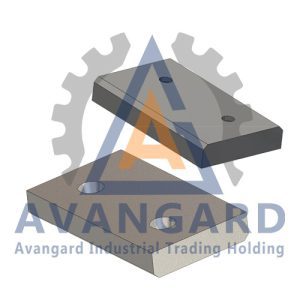
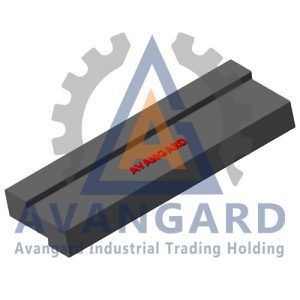
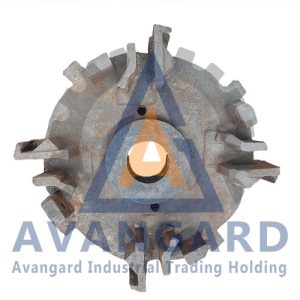


In professional export operations—especially in the field of cast crusher parts(Cast Parts)—there is something even more critical than high-quality production: accurate identification of the Customs HS Code. The HS Code is not only the legal identity of a product in international trade, but it also determines customs duties, regulatory and standard requirements, clearance speed, and even product acceptance in the destination country.
When exporting crusher parts such as crusher hammers, mantles, concaves, anvils, and wear-resistant components, even the smallest mistake in tariff classification can result in cargo detention, customs penalties, or loss of trust from international buyers. This is precisely why companies like Avangard Industrial & Commercial Holding, which possess expertise in both specialized manufacturing and export processes, hold a true competitive advantage in global markets.
What Is an HS Code? | A Complete and Practical Definition of the Customs Tariff Code
HS Code stands for Harmonized System Code—an international goods classification system developed by the World Customs Organization (WCO). It forms the foundation of customs regulations in more than 200 countries worldwide. An HS Code is defined with a minimum of six digits, and the more detailed the code, the more precise the product classification becomes.

What Information Does an HS Code Define?
An HS Code determines the following critical aspects:
- The type of product and its application
- The amount of customs duties and tariffs
- Whether an export license is required
- The obligation to present standards or inspection certificates
- The conditions for entry into the destination country
In the export of crusher parts, the HS Code plays a decisive role in identifying whether the product is classified as mining machinery components or merely as metal cast parts—a distinction that can significantly impact customs treatment, costs, and market access.
What Is the HS Code for Crusher Parts?
Crusher parts include consumable and spare components used in mineral crushing and processing lines. Due to their specific function, heavy weight, and wear-resistant alloy composition, these parts are considered sensitive items in customs classification.
Common HS Codes for Crusher Parts
The most frequently used HS Codes for crusher components include:
- 8474.90.00 – Parts of crushing, grinding, and screening machinery
- 7325.99.90 – Other cast steel parts
- 8487.90.90 – Other parts of industrial machinery
🔎 Very Important Note: If a component directly contributes to the operational function of a crusher, the HS Code under the machinery chapter takes priority—not merely the metals chapter.
This distinction is critical in avoiding misclassification, unnecessary duties, and customs disputes during export procedures.
HS Code for Crusher Hammers | The Most Sensitive Export Tariff Code
Crusher hammers are among the most widely used and critical wear-resistant parts in sand and aggregate mining operations. These components are typically manufactured from manganese steel, alloy steel, or high-chromium alloys, and they play a direct and essential role in the crushing process.
Because of their functional importance and material value, crusher hammers are considered one of the most sensitive items in HS Code classification, requiring precise technical documentation and accurate tariff selection during export.
Why Is the HS Code for Crusher Hammers So Important?
The HS Code for crusher hammers carries exceptional importance due to several critical factors:
- High value of each export shipment
- Strict sensitivity of destination countries toward mining components
- Direct impact on import duties and customs tariffs
- Mandatory submission of material analysis reports
In the export of crusher hammers, clearly specifying the exact alloy composition, mining application, and individual piece weight in customs documentation significantly reduces the risk of customs disputes, reclassification, or clearance delays.

Customs Tariff Code for Cast Parts
Cast components encompass a wide range of industrial products. In customs procedures, these parts are classified based on their material, application, and manufacturing process.
Key Factors Determining the HS Code of Cast Parts
The customs tariff classification of cast parts is primarily determined by the following parameters:
- Type of metal (cast iron, manganese steel, high-chromium alloys)
- Manufacturing method (as-cast or machined components)
- Industrial or mining application
- Final weight and dimensions of the part
Accurate evaluation of these factors ensures correct HS Code assignment, smoother customs clearance, and reduced regulatory risk in international trade.
Difference Between HS Codes for Mining Parts and Industrial Parts
One of the most common mistakes made by exporters is using general HS Codes for mining components. This error often leads to increased costs or cargo detention at customs.
Below is a comparative overview highlighting the key differences:
| Criteria | Mining Parts | Industrial Parts |
| Application | Crushing and mining operations | Factory and industrial use |
| Customs sensitivity | Very high | Moderate |
| Material analysis requirement | Often mandatory | Sometimes required |
| Risk of customs dispute | High | Lower |
Proper differentiation between mining and industrial parts is essential for accurate tariff classification and smooth export procedures.
Impact of HS Code on Export Costs of Crusher Parts
The HS Code has a direct and significant impact on the following export-related costs:
- Import duties
- Customs tariffs
- Customs clearance expenses
- Applicable taxes
In the export of heavy crusher parts, even a 1% difference in tariff rates can result in millions of tomans in additional costs, making precise HS Code selection a critical factor in export profitability and competitiveness.
HS Code and Export Customs Declaration
When registering an export customs declaration, the HS Code must be fully consistent with the following documents:
- Commercial invoice
- Packing list
- Bill of lading
- Certificate of origin
Any discrepancy between the HS Code stated in these documents can result in customs clearance delays or complete suspension of the export process.
HS Code and Standards for Crusher Parts
Certain HS Codes require compliance with additional regulatory obligations, including:
- Standard conformity certificates
- Material analysis reports
- Pre-shipment inspection
These requirements are particularly important when exporting to Central Asian and Middle Eastern countries, where customs authorities apply stricter controls on mining and crusher components.
The Role of HS Code in Exporting Crusher Parts to Target Countries
Countries such as:
- Iraq
- Oman
- Uzbekistan
- Kazakhstan
- Armenia
apply high levels of scrutiny to the customs classification of mining and crusher components. Using the correct HS Code results in:
- Faster customs clearance
- Reduced regulatory and financial risk
- Increased trust from international customers
Proper HS Code classification is therefore a key factor in building long-term and reliable export relationships in these markets.
Why Is Avangard Successful in Exporting Cast and Crusher Parts?
Avangard’s success in international markets is built on a combination of technical expertise and export-oriented operations, including:
- Specialized production of crusher parts
- Proven, hands-on experience in exporting crusher components
- Full mastery of customs HS Code classification
- Strict quality control and material analysis
- Industrial-grade export packaging
This integrated approach enables Avangard to meet international standards while minimizing customs and logistical risks.
Final Conclusion
Accurate knowledge of the HS Codes for crusher parts and mining cast components(Casting) is the foundation of professional export operations. Companies that combine this expertise with specialized manufacturing capabilities are able to secure a sustainable and profitable position in international markets.
By focusing on the export of crusher parts and crushing equipment(Crushing Machine), and by fully complying with all customs and regulatory requirements, Avangard Holding has paved the way for a secure, efficient, and powerful export pathway.
🏢 Avangard Industrial Trading Holding Company – A pioneer in supplying and manufacturing casting parts in the Middle East 🌍 📞 Phone: +98 912 022 8576 🌐 Website: En.Avangardholding.com