فارسی
فارسی  العربية
  Русский
  Azərbaycan

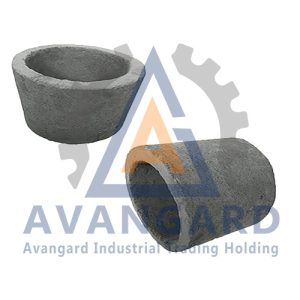
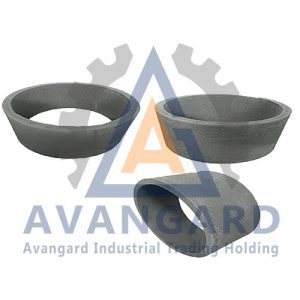
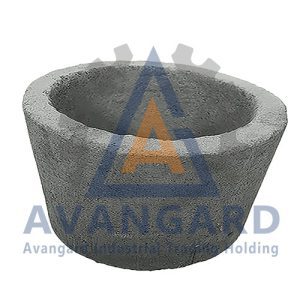
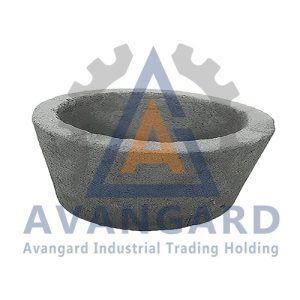
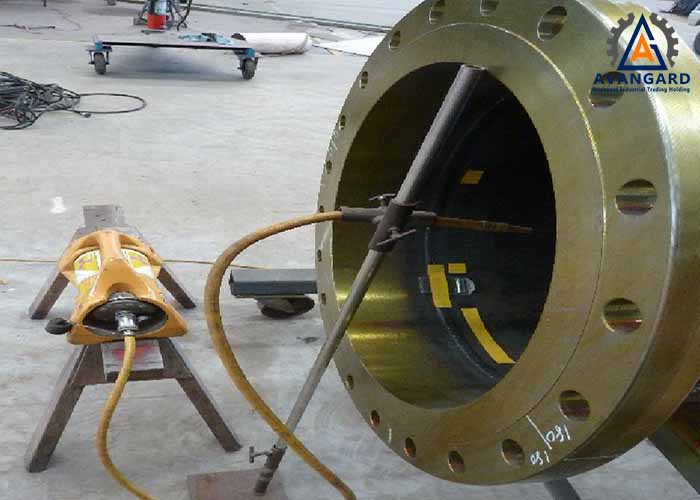
Hot tearing, also known as hot cracking, is one of the relatively common defects in the metal casting process. This type of crack mainly occurs in the casting of steel and stainless steel, and is generally caused by the temperature difference between the pouring temperature and the metal’s solidification point.
When the pouring temperature is lower than the required level, the metal begins to solidify too rapidly, resulting in a loss of cohesive strength between metallic grains. This reduction in bonding strength can facilitate the formation of hot tears when minor contractions occur during cooling.
In addition, the geometric design of the mold, including its angles and dimensions, can also contribute to hot tearing during the final stages of solidification, especially in steel castings.
Methods to Prevent Hot Tearing in Casting
To minimize the occurrence of hot tearing, it is crucial to follow several technical guidelines:
- Select an appropriate casting method and design based on the type of metal.
- Accurately control the mold coating thickness to ensure uniform heat dissipation.
- Optimize the mold geometry to reduce stress concentration zones.
- Measure and precisely control the pouring temperature according to the metal specifications.
For best results and to effectively prevent hot tearing, steel and stainless steel casting should be carried out by experienced professionals.
At Avangard Industrial Trading Holding, our casting specialists ensure the highest quality by precisely controlling thermal parameters and mold geometry, thereby eliminating the risk of hot tearing and guaranteeing superior casting performance.
Causes and Prevention Methods of Hot Tearing in Steel Casting
| Cause of Hot Tearing | Preventive Measures |
| Improper mold design | Introduce smooth transitions at thickness variations, maintain uniform wall thickness, and minimize complex cross-sections. |
| Inappropriate chemical composition of the metal | Use high-grade raw materials, purify the alloy, and add proper alloying elements to enhance ductility and solidification uniformity. |
| Improper casting methods | Control pouring speed precisely, adjust molten metal temperature, apply gradual cooling, and introduce external stresses at the right time to relieve internal strain. |
| Unsuitable mold condition | Use molds with suitable material and dimensions, ensure smooth and defect-free surfaces, preheat molds to the standard temperature, and coat internal and external surfaces with proper refractory materials. |
Causes of Hot Tearing (Hot Cracking) in Steel and Stainless Steel Casting
In the casting process of steel and stainless steel, the molten metal is typically poured at a very high temperature. However, in some cases, this pouring temperature may be lower than the metal’s solidification point. Under such conditions, the steel or stainless steel begins to solidify immediately after being poured into the mold, and in some instances, solidification occurs even before the cooling phase fully starts.
This premature solidification weakens or completely eliminates the cohesive strength of the mold cores. When this strength decreases, even minor metal contractions during solidification can lead to the formation of hot tears or hot cracks.
Some metallurgical experts believe that hot tearing occurs during the final stage of solidification, when the partially solidified zone is surrounded by molten metal and thermal contraction meets resistance from mold geometries such as corners or sharp angles.
Others suggest that hot tearing can also occur after complete solidification, particularly in cases involving micro-cracks or surface fissures that are not visible to the naked eye.
In summary, hot tearing is one of the most common casting defects, typically caused by improper pouring temperature or inadequate mold design and geometry. Identifying and preventing this defect is critically important, especially in high-volume production of steel and stainless steel castings.
Conditions That Increase the Likelihood of Hot Tearing in Casting
The occurrence of hot tearing (hot cracking) in casting is usually more common in areas of a casting that solidify later and are surrounded by molten metal. These regions experience higher contraction stresses due to their longer solidification time, making them critical zones for the initiation of hot tearing.
In general, the formation of hot tears depends primarily on two key factors:
- The solidification characteristics of the cast metal, and
- The type and geometry of the mold used.
Because these factors vary among different metals and mold designs, no universal rule can be applied to predict the exact occurrence of hot tearing.
For instance, a specific mold design may increase the risk of hot tearing for one type of alloy, yet perform flawlessly with another. Similarly, a certain core design may be fully effective under one condition but lead to cracking when used for steel castings in a different setup.
Therefore, conducting a detailed analysis of both metal and mold characteristics, as well as optimizing the casting parameters for each individual component, is crucial to prevent hot tearing defects.
Key Guidelines for Preventing Hot Tearing in Metal Casting
As mentioned earlier, there is no absolute or guaranteed formula to predict or eliminate hot tearing in all situations. However, following technical best practices throughout every stage of the casting process — including pattern modeling, mold design and manufacturing, alloy selection and preparation, casting, and mold shakeout — can significantly reduce the likelihood of hot tearing and other casting defects.
For a comprehensive understanding of the casting process and its key technical considerations, refer to our article: “What Is Metal Casting?”
Below are the most important recommendations for reducing the risk of hot tearing during steel and stainless steel casting:
1. Consider the Casting Structure and Method
Selecting the appropriate casting structure and method is the first and most critical step in preventing hot tearing. Factors such as core size and type, metal type, contraction coefficient, temperature, and molten metal flow behavior must be carefully analyzed.
Avoid non-uniform wall thicknesses, and ensure that the molten metal flows smoothly and continuously throughout the mold without interruptions.
2. Precisely Control Metal Coating Thickness
The thickness of the metal layer and the cooling intensity in each section of the mold must be accurately controlled. Deviations — whether thinner or thicker than optimal — can cause abnormal stress concentrations within the solidifying metal, significantly increasing the risk of hot tearing.
Accurate thermal management helps maintain uniform solidification and reduces contraction-induced stress.
3. Optimize Mold Geometry and Angles
The geometry and dimensional design of the mold play a major role in preventing hot tearing. Molds with poorly designed corners or uneven angles can restrict natural metal contraction during solidification, leading to hot cracking.
Proper mold design not only prevents cracking in steel and stainless steel castings but also helps avoid other common casting defects, such as cracking in cast iron alloys.
For further information, refer to our article: “Casting Defects in Cast Iron.”
4. Accurately Measure Pouring Temperature
The pouring temperature of the molten metal must be measured with high precision to minimize the risk of error. Selecting a temperature that is too low or too high can disrupt the solidification process, resulting in hot tearing or excessive thermal contraction stress.
Inaccurate temperature control can also reduce the final mechanical quality of the casting, making it prone to deformation or cracking.
Conclusion: The Importance of Expertise in Preventing Hot Tearing
In this article, we examined the causes and prevention methods of hot tearing (hot cracking) in metal casting. As demonstrated, preventing this defect requires a high level of technical knowledge and hands-on experience.
Accurate measurement and control of critical casting parameters — including molten metal temperature, cooling rate, mold geometry and dimensions, core material, and other sensitive variables — demand specialized skills that only trained and experienced professionals can ensure.
Strict adherence to these parameters is the key to producing high-quality cast components and preventing hot tearing during the casting process.
🏢 Avangard Industrial Trading Holding Company – A pioneer in supplying and manufacturing casting parts in the Middle East 🌍
📞 Phone: +98 912 022 8576
🌐 Website: En.Avangardholding.com