فارسی
فارسی  العربية
  Русский
  Azərbaycan


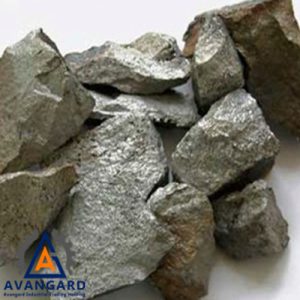
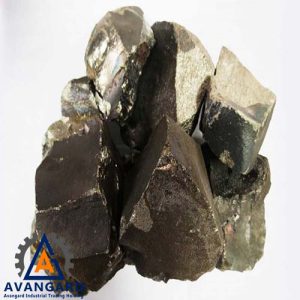
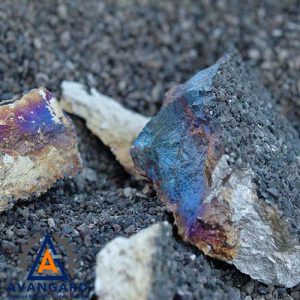
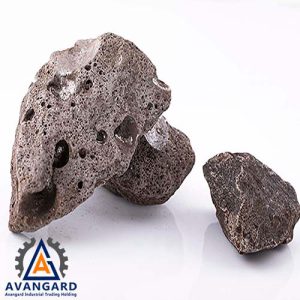
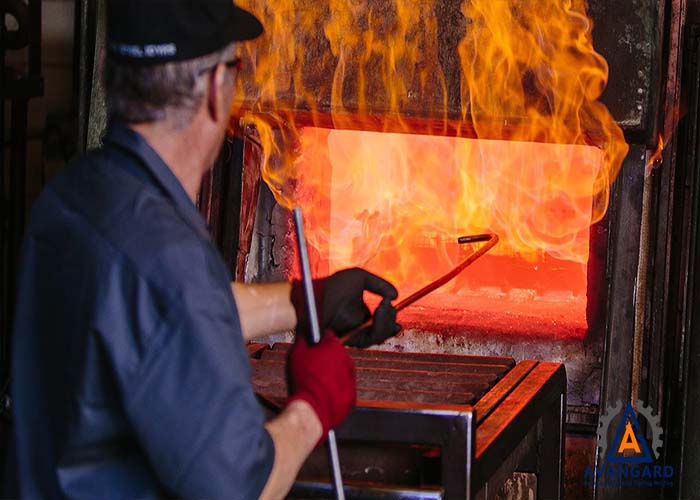
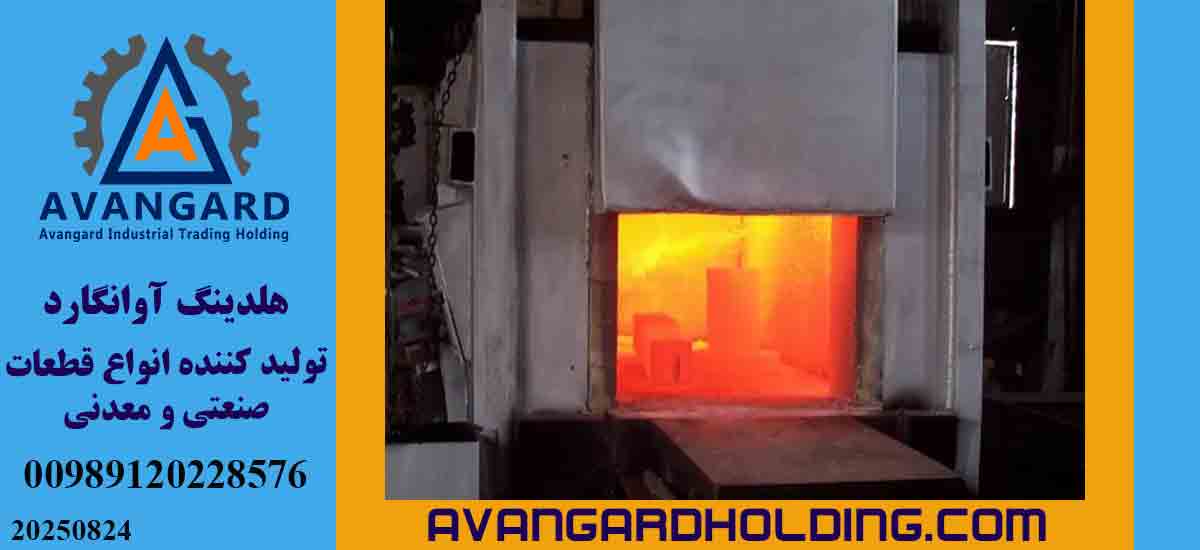
Heat treatment of stainless steel is a critical step in preparing and optimizing this corrosion-resistant metal. Through this process, the microscopic structure of the steel is altered, enhancing its mechanical properties such as hardness, strength, and toughness. Additionally, heat treatment can improve the ductility, machinability, and durability of components, making them suitable for a wide range of industrial applications.
Due to its unique chemical composition and high corrosion resistance, stainless steel is extensively used in medical industries, automotive manufacturing, industrial equipment, and other sectors. In the production of cast components, structural and microstructural issues in the steel are often resolved through proper heat treatment. To ensure high-quality results, it is recommended to collaborate with reputable foundries, and Avangard, with over 25 years of experience in stainless steel casting, delivers the finest components in this field.
Stainless Steel and Its Characteristics
Stainless steels are alloys composed of iron, chromium, nickel, and other alloying elements that provide exceptional corrosion resistance. The minimum 10.5% chromium content in these alloys forms a protective oxide layer on the metal surface, which is self-healing and enhances the steel’s durability under various environmental conditions.
The Main Types of Stainless Steel Include:
- Austenitic: High in chromium and nickel, corrosion-resistant, and non-magnetic.
- Ferritic: High chromium, low carbon, corrosion-resistant but with lower hardness.
- Martensitic: High carbon, medium chromium, hard, and suitable for tools.
- Duplex: A combination of austenitic and ferritic structures, offering the advantages of both types.
- Precipitation-Hardening: With specific heat treatment, it achieves high hardness and strength.
Objectives of Heat Treatment for Stainless Steel
Heat treatment involves heating the steel to a specific temperature, holding it at that temperature, and then controlled cooling. The main objectives of this process include:
- Increasing hardness and strength
- Enhancing corrosion resistance
- Stabilizing the metallurgical structure and reducing internal stresses
- Improving machinability
- Extending the durability and service life of components
Table of Stainless Steel Types, Their Characteristics, and Industrial Applications
| Type of Stainless Steel | Composition / Main Structure | Characteristics | Industrial Applications |
| Austenitic | Chromium 16–26%, Nickel 6–22% | Excellent corrosion resistance, non-magnetic, excellent ductility | Food and pharmaceutical industries, chemical equipment, tanks, and pipelines |
| Ferritic | Chromium 10–18%, little or no Nickel | Good corrosion resistance, magnetic, more economical | Automotive parts, household appliances, architectural applications |
| Martensitic | Chromium 11–18%, high Carbon | High hardness and strength, moderate corrosion resistance | Blades, surgical instruments, mechanical components |
| Duplex | Austenitic + Ferritic combination | High strength, excellent stress corrosion cracking resistance, high corrosion resistance | Oil, gas, and petrochemical industries, marine structures |
| Precipitation-Hardening (PH) | Nickel + Copper + Aluminum + Niobium | Heat-treatable, high strength with corrosion resistance | Aerospace, defense industries, high-precision components |
10 Common Heat Treatment Methods for Stainless Steel
- Aging Uniformly dispersing particles within the grain structure improves the steel’s properties and increases ductility. This process is typically performed at temperatures between 480°C and 620°C.
- Hardening By heating and rapid quenching, the hardness of the steel increases; however, brittleness may also rise, necessitating subsequent tempering.
- Tempering After hardening, the steel is heated to a temperature below its critical point and then cooled to reduce brittleness and relieve internal stresses.
- Annealing The steel becomes softer, ductility improves, and internal stresses are reduced. Austenitic stainless steels are typically annealed at 1040°C to 1120°C.
- Case Hardening The surface of the metal is hardened and strengthened while the core remains soft and ductile.
- Carburization Carbon is absorbed into the surface layer of the steel, increasing hardness while keeping the core soft.
- Carbonitriding Both carbon and nitrogen are introduced to the steel surface, enhancing wear resistance and corrosion resistance.
- Stress Relieving The steel is heated to a temperature below its critical point to reduce internal stresses and prevent cracking.
- Normalization Ductility and hardness are increased, and internal stresses resulting from previous processes are eliminated.
- Passivation A protective oxide layer is formed on the steel surface, improving its corrosion resistance.
Impact of Heat Treatment on Stainless Steel Properties
- Enhanced Corrosion Resistance: Annealing and passivation strengthen the protective oxide layer on the steel surface.
- Improved Hardness and Strength: Quenching and tempering increase the steel’s hardness and mechanical strength.
- Reduced Stress-Induced Cracks: Stress relieving lowers internal stresses and prevents cracking.
- Increased Ductility: Annealing softens the steel, enhancing its ductility and formability.
- Improved Thermal Stability: Heat treatment enhances resistance to temperature fluctuations.
Key Points in Heat Treatment
- Selecting the appropriate temperature according to the type of steel
- Precise control of heating and cooling times
- Utilizing advanced and accurate equipment
- Understanding the characteristics of each type of stainless steel
Conclusion
Heat treatment of stainless steel is a fundamental step in producing high-quality components, enhancing both mechanical properties and corrosion resistance. By employing modern equipment and advanced stainless steel casting techniques at Avangard, durable, high-precision, and flawlessly performing steel components are manufactured.
🏢 Avangard Industrial Trading Holding – A Leader in Casting Parts Supply and Production in the Middle East 🌍 📞 Phone: +98 912 022 8576 🌐 Website: En.Avangardholding.com