 فارسی
فارسی  العربية
  Русский
  Azərbaycan

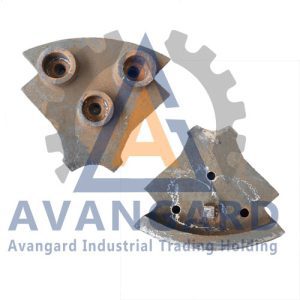
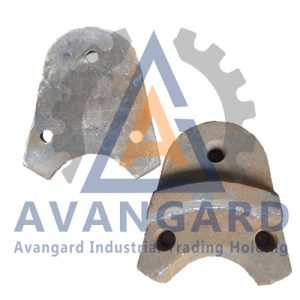
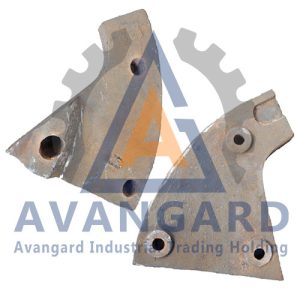
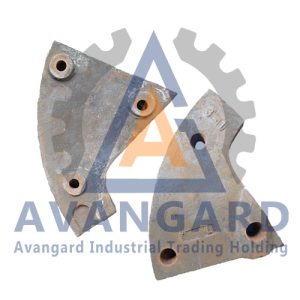
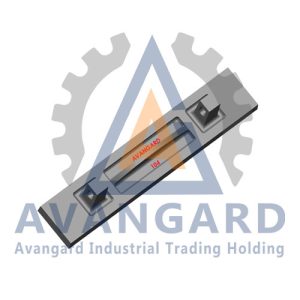
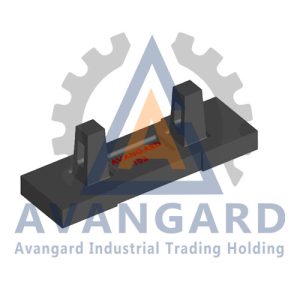
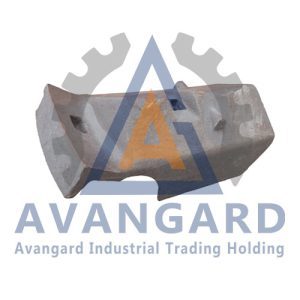
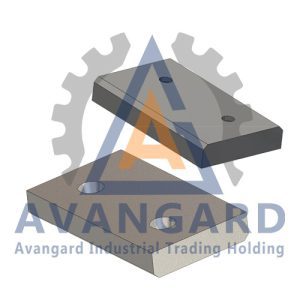
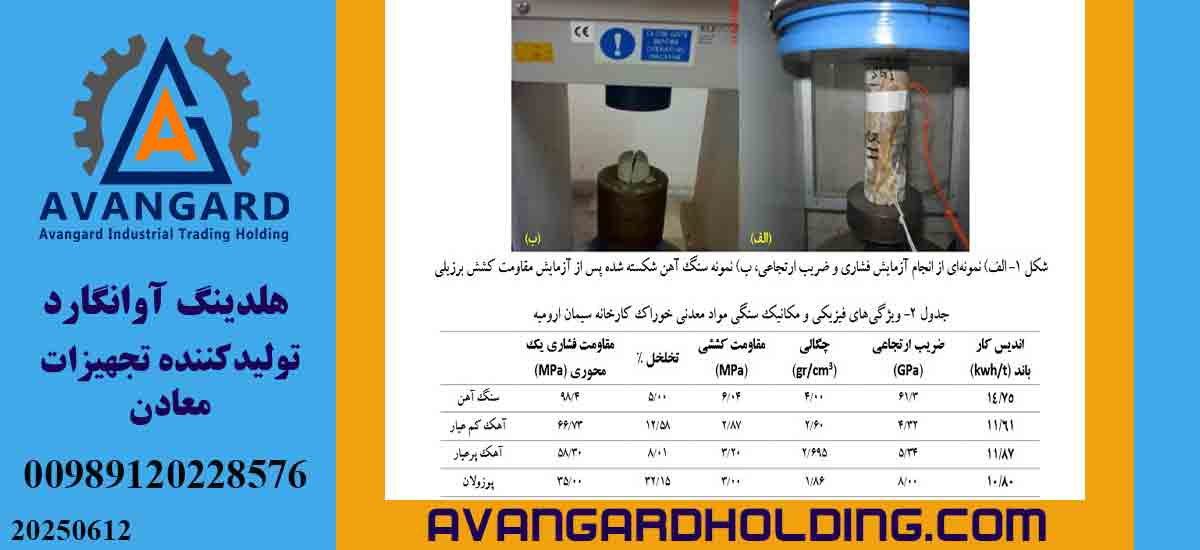
The Bond Work Index (BWI) is one of the most important concepts in the mining and mineral processing industries—particularly in the design and evaluation of crushing and grinding systems. This index serves as a key measure for assessing the relative hardness of mineral materials and the amount of energy required to reduce their particle size. Essentially, it helps calculate and predict the energy needed to break rocks down to a specified size.
Scientific studies and field tests have shown a direct correlation between the Bond Work Index and various physical and mechanical properties of rocks, such as density, compressive strength, tensile strength, and porosity.
Avangard Industrial and Commercial Holding, as a leading player in the supply and production of crusher components, crushing equipment, undercarriage parts for construction machinery, and specialized casting in alloyed steel and cast iron, as well as reverse engineering and industrial modeling, fully understands the importance of incorporating scientific indicators like the BWI into its design and manufacturing processes. In the following sections of this article, we will delve deeper into the Bond Work Index and its role in optimizing industrial systems.
How is the Bond Work Index Calculated?
The Bond Work Index (BWI) is calculated through standardized laboratory tests in which a rock sample is crushed to a specified particle size under controlled conditions, and the energy consumed during the process is measured. The index is expressed in kilowatt-hours per ton (kWh/t) and represents the amount of energy required to reduce one ton of mineral material to a defined size.
Key Considerations in Calculating the Bond Work Index:
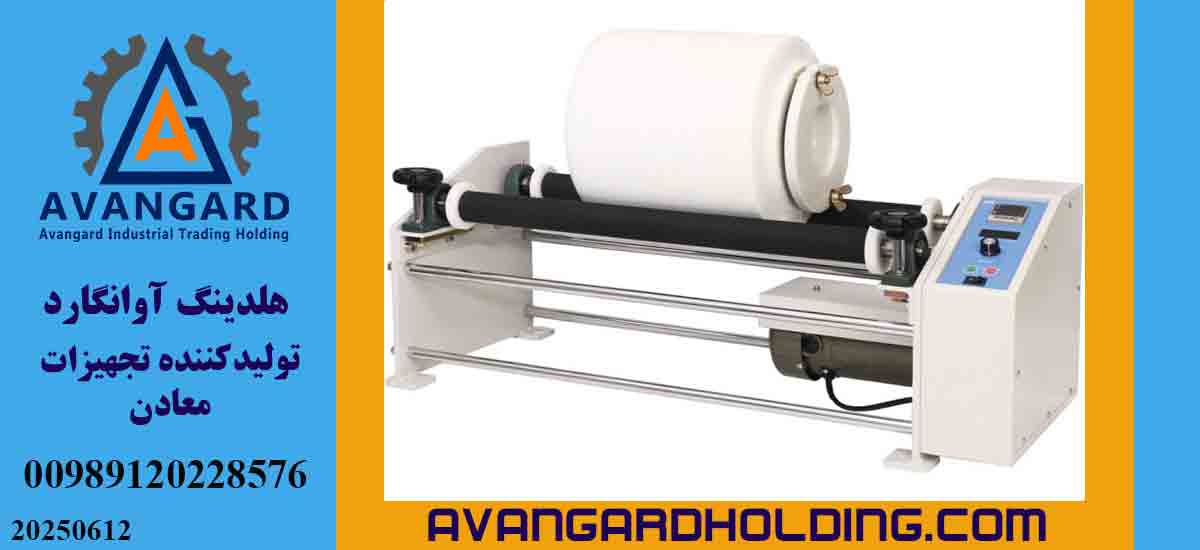
- Use of a standard laboratory Bond Ball Mill
- Constant initial feed conditions and controlled ball wear rate
- Accurate data collection for initial and final particle sizes
- Calculation of specific energy consumption
General Formula Used for Calculation:
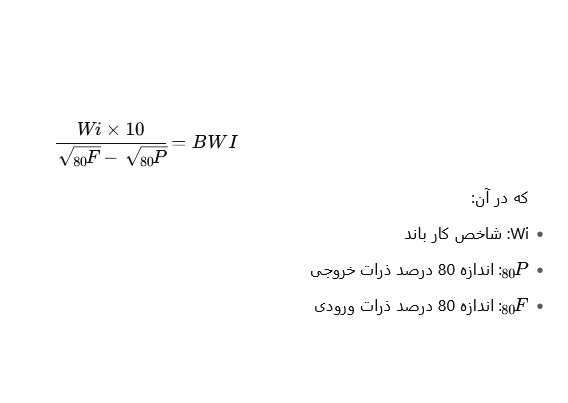
The following table presents sample BWI test results for various materials:
| Material | Bond Work Index (kWh/t) |
| Iron Ore | 14.75 |
| Low-Grade Limestone | 11.61 |
| High-Grade Limestone | 11.87 |
| Pozzolan | 10.8 |
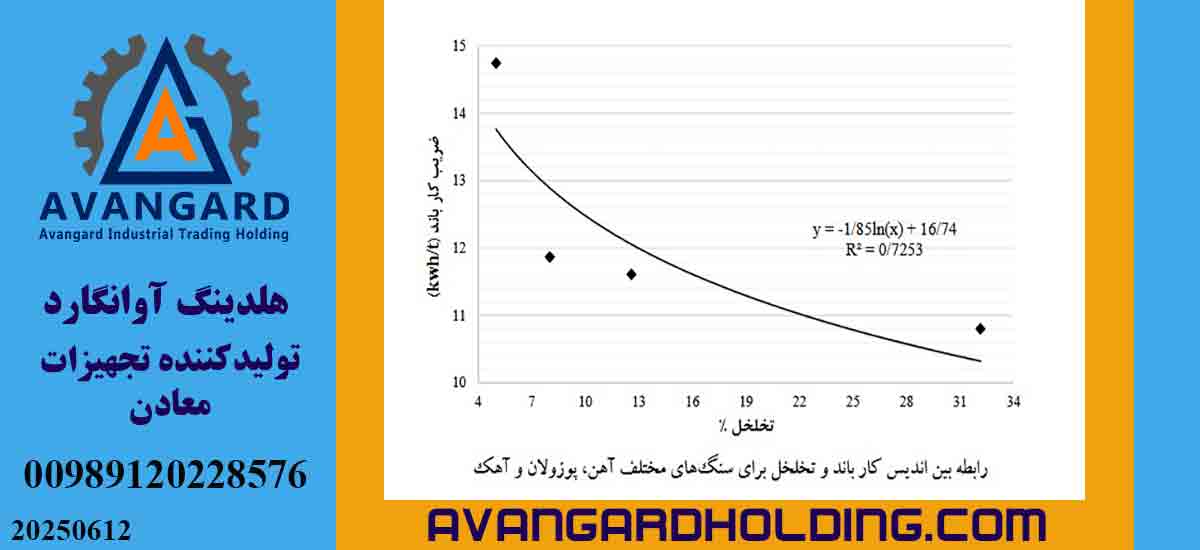
Relationship Between Bond Work Index and the Physical and Mechanical Properties of Rocks
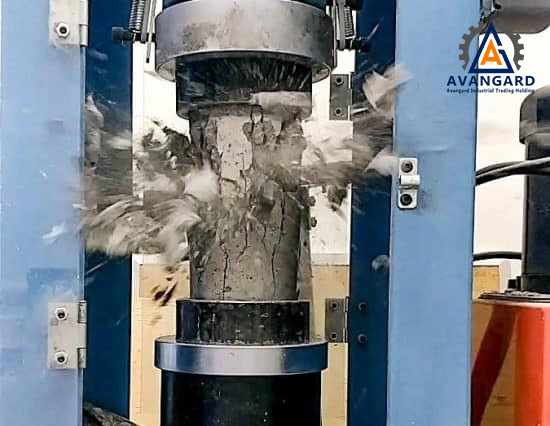
Research conducted at cement plants has shown that the Bond Work Index (BWI) has a strong correlation with the mechanical properties of rocks, such as Uniaxial Compressive Strength (UCS), Tensile Strength, and Elastic Modulus. Additionally, an inverse relationship has been observed between BWI and rock porosity.
Key Points:
- An increase in compressive and tensile strength results in a higher BWI.
- Higher material density is also associated with an increased BWI.
- Greater porosity leads to a lower BWI.
Statistical regression analysis charts have demonstrated a correlation coefficient of approximately 0.93 between BWI and tensile strength, indicating a high level of accuracy in predicting rock hardness based on this parameter.
As a sample:
| Feature | Relationship with BWI |
| Compressive Strength (MPa) | Direct (ln function) |
| Porosity (%) | Inverse (ln function) |
| Density (g/cm³) | Direct (logarithmic) |
Industrial Applications of the Bond Work Index in Crushing Equipment Design
In the mining industry, the correct selection of crushers and mills based on the Bond Work Index plays a vital role in reducing energy consumption and increasing efficiency. Process designers and engineers can use this index with greater confidence to:
- More accurately select the type and capacity of equipment, such as Ball Mills, Jaw Crushers, Hydrocone Crushers, and others.
- Reduce operational costs by appropriately adjusting motor power.
- Optimize the sequence of crushing stages in closed or open circuits.
Companies like Avangard play a crucial role in this field, as producing high-quality and durable parts and equipment tailored to process requirements demands a precise understanding of rock characteristics and their behavior during crushing. Therefore, utilizing Bond Work Index data in designing components such as hammers, rolls, jaws, and liners is of great importance.
Conclusion
In conclusion, the Bond Work Index, as a reliable scientific tool, effectively measures the hardness and the energy required for the comminution of mineral materials. Test results conducted on limestone, iron ore, and pozzolan in cement plants confirm the accuracy and validity of this index. Avangard Holding, relying on its expertise in manufacturing, specialized casting, reverse engineering, and modeling of crusher parts, road construction equipment, and mining machinery, can provide higher-quality services in purchasing, selling, production, and supply of parts by precisely analyzing BWI indicators during the design process.
Therefore, understanding and utilizing the Bond Work Index is not only essential but also (Crushing Equipment)economically and engineering-wise sound for selecting the right equipment, calculating energy consumption, and extending the lifespan of components.
🏢 Avangard Industrial Trading Holding – A Leading Supplier and Manufacturer of Mining Equipment in the Middle East
📞 Phone: +98 912 022 8576
🌐 Website: En.Avangardholding.com


