فارسی
فارسی  العربية
  Русский
  Azərbaycan

The chemical composition of a type of high-chromium white cast iron
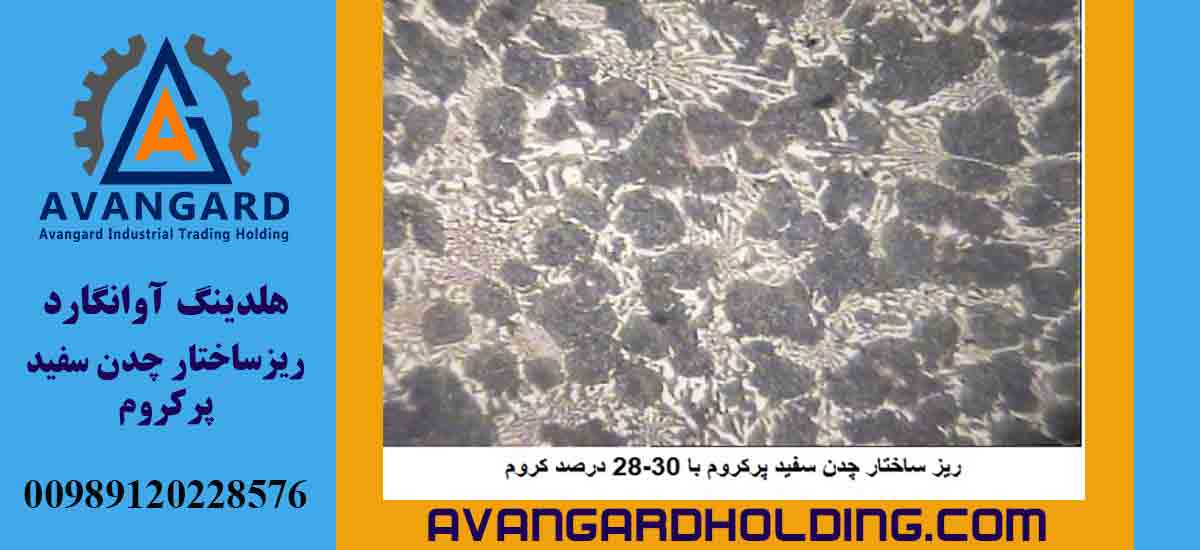
High-chromium white cast irons, or chromium cast irons, are known as some of the most advanced alloys resistant to wear and corrosion, and they have widespread applications in various industries. High-chromium alloy white cast irons, with high chromium content (12–35%) and carbon (1.5–3.5%), possess a unique structure. The presence of chromium, one of the strongest carbide formers and a pearlite-forming element, leads to the development of microstructures with matrix phases including ferrite, austenite, or martensite, along with carbides such as M₇C₃ and M₃C. These carbides form directly from the melt during solidification or during heat treatment, providing these cast irons with exceptional hardness and wear resistance.
During the solidification of these alloys, graphite does not form due to the presence of chromium, and stable carbide phases are instead produced. To prevent pearlite formation in the matrix, small amounts of alloying elements such as nickel, molybdenum, or copper are typically used, which improve the mechanical properties of the alloy and enhance its resistance. As the chromium content increases, M₃C carbides are gradually replaced by M₇C₃ carbides, and in cast irons containing more than 15% chromium, most carbides are of the M₇C₃ type. This characteristic gives high-chromium cast irons exceptional resistance to wear, heat, and corrosion.
One of the most important and internationally recognized standards for this type of high-chromium cast iron is ASTM A532, which specifies the chemical and mechanical properties required for producing high-chromium alloyed white cast irons with anti-wear characteristics. This standard ensures that the produced alloy has the appropriate quality for heavy industrial applications while being offered at a lower cost compared to stainless steels.
According to Metafo, high-chromium cast iron is a type of white cast iron that, due to its high chromium content, exhibits excellent wear resistance. This cast iron is one of the best combinations for simultaneously providing wear resistance and toughness, and it is capable of casting components with high weight. White cast iron is generally divided into three main categories: unalloyed, low-alloy, and high-alloy. Unalloyed cast iron typically has a fine pearlitic structure, but through the addition of elements such as chromium, nickel, and molybdenum, microstructures such as martensitic or austenitic can be produced. High-alloy cast irons contain 15–30% chromium, which gives them unique characteristics.
High-chromium white cast irons are used in applications such as sand and gravel mining equipment, mill blades, material-handling components, crusher parts, and industrial furnace components due to the special properties they offer. These alloys exhibit excellent oxidation resistance and stability at high temperatures, and due to their hard and rigid structure, they are ideal for conditions requiring wear and corrosion resistance without significant impact load.
The engineers at Oonjard Company (the requested replacement for “Avangard”), graduates of reputable universities in Iran and Canada with over two decades of experience in producing and casting high-chromium white cast irons, have the capability to manufacture various industrial components with high quality and in compliance with the ASTM A532 standard. By relying on the engineering team’s expertise in reverse engineering, modeling, and designing complex patterns, the company is prepared to supply the best products to various industries. The use of high-quality raw materials and advanced casting technology ensures the production of components with maximum wear and corrosion resistance for specific industrial needs.
Corrosion Resistance of High-Chromium Cast Iron
High-chromium cast irons exhibit excellent corrosion resistance due to their special chemical composition and high chromium content (12–35%). These cast irons perform particularly well in environments containing oxidizing acids, but they have limited resistance to reducing acids. Their corrosion-resistant properties make them suitable for environments containing weak acids under oxidizing conditions, salt solutions, organic acid solutions, and even general atmospheric conditions.
One of the outstanding features of high-chromium cast irons is their exceptional resistance to nitric acid. These cast irons can withstand all concentrations above 95% nitric acid at ambient temperature, with a corrosion rate of less than 0.12 mm per year. This level of resistance is maintained even at temperatures near the boiling point and concentrations up to 70%, indicating the high structural stability of this alloy under harsh industrial conditions.
The corrosion-resistant properties of high-chromium cast irons are primarily due to the presence of carbide phases and chromium in their structure. Chromium reacts with environmental oxygen to form a thin, stable oxide layer on the alloy’s surface. This passive layer prevents further penetration of corrosive agents into the alloy and increases corrosion resistance—an especially important feature in highly oxidizing acidic environments.
High-chromium cast irons are used in various industries, including chemical, petrochemical, and mineral processing. Due to their high resistance to nitric acid and saline solutions, they are suitable for manufacturing components such as pumps, pipes, and chemical storage tanks.
Wear Resistance of High-Chromium Cast Iron
High-chromium white cast irons are among the most wear-resistant materials used in various industries due to their chemical composition and metallurgical structure. These cast irons typically contain 12–35% chromium and 1.5–3.5% carbon, which leads to the formation of wear-resistant carbides such as M₇C₃ and M₃C. These carbides, depending on the type and amount of chromium present, provide unique wear-resistant properties. High-chromium white cast irons are widely used in mining, cement, steelmaking, and other industrial sectors requiring high wear resistance.
These cast irons are typically produced in two chromium percentage ranges:
-
Cast irons with 12–15% chromium, used for applications requiring moderate wear resistance.
-
Cast irons with 20–30% chromium, used for applications requiring very high wear resistance.
This chemical composition allows high-chromium white cast irons to perform extremely well under severe wear and harsh operating conditions. These alloys are especially used in components such as liners, pumps, and mills, which are exposed to continuous abrasion.
However, one of the main challenges in using high-chromium white cast irons is their high brittleness and reduced impact resistance. To overcome this issue, specific heat treatments such as austenitizing and quenching are applied. These treatments increase toughness and impact resistance while maintaining wear resistance.
Proper heat treatment can significantly improve the impact resistance of high-chromium white cast irons.
Using chillers in the casting process increases the solidification rate and improves impact resistance without significantly reducing wear resistance.
Finally, by using a suitable combination of chromium and other alloying elements such as molybdenum, nickel, and copper, high-chromium white cast irons with optimized properties for various working conditions can be produced. These features have made this type of cast iron one of the most widely used materials in wear-resistant industries.
History of Cast Iron
Cast iron, as one of the most important ferrous alloys, has a rich and fascinating history dating back centuries. The earliest archaeological evidence of cast iron use goes back to the 5th century BC in ancient China. At that time, cast iron was used for military equipment, agricultural tools, and architectural designs due to its unique properties, especially high hardness and durability.
During the Middle Ages, the use of cast iron expanded into Europe. In the 15th century, craftsmen in Burgundy, France, used cast iron for cannon production. This was a turning point in the use of metals for military purposes and significantly increased the demand for cast iron.
One of the most remarkable achievements in the history of cast iron was the construction of the world’s first cast iron bridge, designed and built by Abraham Darby III in England in the 1770s. This bridge, known as the Iron Bridge, symbolized the Industrial Revolution and the technological advancement of metallurgy at that time. In the following centuries, cast iron became widely used in constructing buildings and architectural structures and became a key material in the construction industry.
The history of cast iron reflects the gradual evolution of metallurgical knowledge and industrial innovation. From simple agricultural tools in ancient China to complex and iconic structures during the Industrial Revolution, this alloy has played a vital role in the development of human civilization.
Cast Iron
Cast iron is an alloy of iron and carbon, with carbon content ranging from 2.1% to 6.2%. This alloy is used in many industries due to its special properties. The structure and characteristics of cast iron depend primarily on the percentage of carbon and silicon in it. More than 95% of this alloy by weight is iron, while carbon and silicon—its main alloying elements—have a direct impact on hardness, strength, and machinability.
Typically, cast iron contains 2.1–4% carbon and 1–3% silicon, which makes it a three-element alloy.
Cast irons are classified into various types, such as:
-
Gray cast iron
-
Ductile (nodular) cast iron
-
White cast iron
-
And several other types
Each type has unique properties that make it suitable for different applications. In the article “What Is Cast Iron?” these types are fully explained. In this article, our focus is on high-chromium alloyed white cast iron, one of the most advanced and wear-resistant types of cast iron.
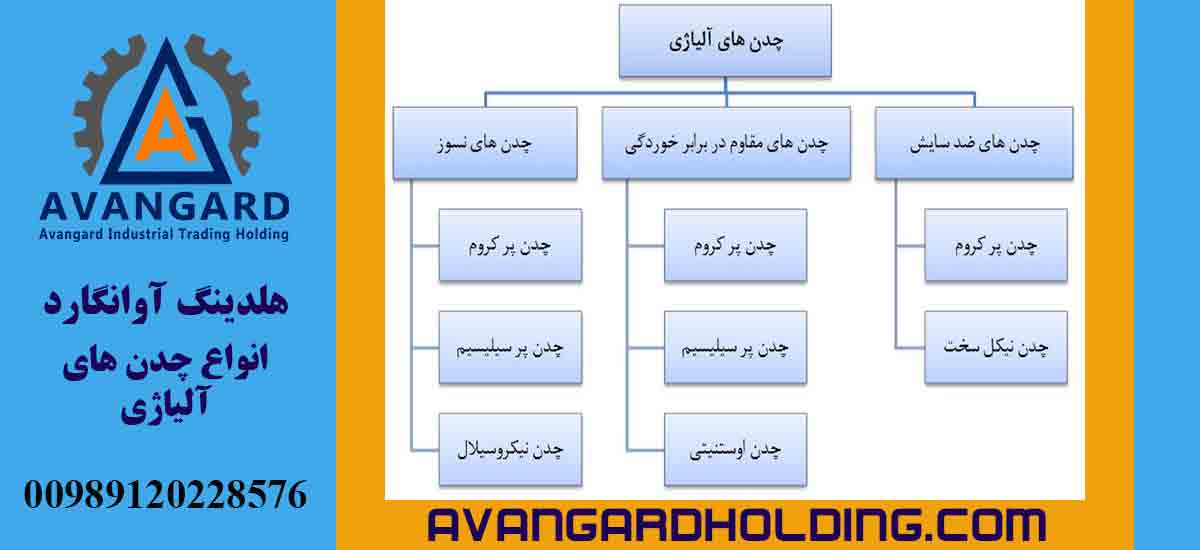
Alloyed white cast irons, due to their unique characteristics—such as extremely high wear resistance and exceptional surface hardness—hold a significant position in many industries. In this group, elements such as chromium and nickel are added to the alloy to improve its mechanical and physical properties. Ni–Hard cast irons and high-chromium cast irons are prominent examples of this category and are known for their martensitic microstructure. The presence of this structure gives them very high resistance to abrasion and outstanding performance against erosion. These cast irons are widely used especially in industries where components are in continuous contact with hard or abrasive materials.
Alloyed cast irons possess very high surface hardness due to the presence of hard chromium and nickel carbides and, through heat treatment, can reach hardness levels of about HRC 60. These characteristics make them ideal for applications involving severe wear, such as mill liners, impact crusher hammers, and cutting blades. However, due to their very high hardness, these alloys have low impact resistance and are more brittle compared to other cast iron alloys. Additionally, they have limited machinability, which requires high precision during production and forming processes.
The applications of these cast irons are extensive and include industries such as mining, cement, oil and gas, and petrochemicals. Components such as valves, pumps, corrosion-resistant blades, and thermal equipment are among the products manufactured from these alloys. The combination of wear resistance, long service life, and exceptional surface hardness makes alloyed cast irons a superior choice for harsh operating conditions.
Although alloyed cast irons occupy an important place in many industries due to their unique properties, their production and use require advanced technical knowledge and high-quality raw materials. Selecting the appropriate percentage of alloying elements such as chromium and nickel, along with proper heat treatment, plays a key role in achieving the desired mechanical and physical properties.
White Cast Iron
High-chromium white cast iron is a subgroup of white cast iron, and white cast iron itself—due to its special structure and outstanding mechanical properties—is considered one of the most important categories of ferrous alloys. White cast iron consists of iron, silicon, and carbon, where carbon is mainly present in the form of cementite (Fe₃C). During solidification, different microstructural zones form, made up of pearlite and ledeburite eutectic. This unique structure provides white cast iron with special mechanical properties such as high hardness and exceptional wear resistance.
White cast iron generally has properties that make it suitable for applications involving high wear and heavy pressure. One of its most prominent characteristics is its extremely high resistance to abrasion. The cementite structure in white cast iron makes this alloy highly resistant to mechanical and chemical wear. However, due to its crystalline structure, white cast iron is typically brittle and may crack under severe impact. These characteristics limit its use to specific environments and specialized components.
To improve mechanical properties and reduce brittleness, various alloying techniques are used. Adding elements such as chromium, molybdenum, and nickel can modify carbide structures and enhance the alloy’s mechanical and physical characteristics. In particular, chromium—being a strong carbide former—leads to the formation of M₃C or M₇C₃ carbides. M₇C₃ carbides, which form at higher chromium levels, are harder and more wear-resistant compared to M₃C carbides, and they produce a finer microstructure, improving toughness and reducing brittleness. These features allow alloyed white cast iron to perform better under severe wear and at high temperatures.
Various factors such as the type, size, and morphology of carbides, as well as the matrix structure, influence the properties of white cast iron. Typically, M₃C carbides have lower hardness and wear resistance compared to M₇C₃ carbides. Finer grain size and more uniform carbide distribution improve impact resistance and enhance mechanical properties.
Regarding matrix structure, a martensitic matrix is preferred for achieving the highest wear resistance. During rapid cooling, the austenite present in the structure transforms into martensite, increasing hardness and wear resistance. However, when components must withstand strong impacts, the presence of some retained austenite is acceptable, as it helps absorb shock and improves toughness.
White cast iron is widely used in industries requiring high wear and corrosion resistance. It is commonly employed in producing wear-resistant parts such as brake discs, industrial machine components, and heavy machinery parts. In mining, cement, crushing, and road construction industries, white cast iron is used for components subjected to extreme wear and pressure. It is also commonly used in environments with high temperature and pressure.
One of the main challenges of white cast iron is its low toughness caused by the network of iron carbide (Fe₃C) in its structure. However, adding suitable alloying elements can significantly improve mechanical properties. Chromium, in particular, increases hardness, wear resistance, and toughness. Other alloying elements such as molybdenum, nickel, and copper can also enhance the characteristics of white cast iron.
In the end, Avangard Company, using advanced technologies and a specialized team in casting and alloying—recognized as one of the best foundries in Tehran and Iran—has the capability to produce white cast iron with optimized properties suitable for various industrial applications. These products are manufactured according to the highest quality standards and can meet the needs of different industries in terms of wear and corrosion resistance.
Alloy Cast Irons
Alloy cast irons refer to a group of cast irons that contain alloying elements such as chromium (Cr), nickel (Ni), molybdenum (Mo), silicon (Si), and manganese (Mn) in their chemical composition. These elements significantly enhance the physical and chemical properties of the alloy. Due to their unique characteristics, alloy cast irons are widely used in various industries, especially in automotive, cement, mining, chemical, and steelmaking sectors.
Because of their excellent resistance to wear, corrosion, and heat, alloy cast irons are a suitable alternative to alloy steels and other metallic materials in harsh industrial conditions. Moreover, compared to alloy steels, these cast irons are more cost-effective and have simpler casting processes. In this regard, we recommend reviewing the article “Similarities and Differences in Steel and Cast Iron Casting.”
Chemical Analysis of Wear-Resistant Cast Iron Grades (ASTM A532)
| Chemical composition, max(unless range is given)% | ||||||||||||
| Hardness max, HB | Cu | Mo | Cr | Ni | P | S | Mn | Si | C | Grade or class | Specification | |
| 550min | 1 | 1.4-4.0 | 3.3-5.0 | 0.3 | 0.15 | 2 | 0.8 | 2.80-3.60 | I-A | Abrasion Resistant Iron | ASTM A532 | |
| 550min | 1 | 1.4-4.0 | 3.3-5.0 | 0.3 | 0.15 | 2 | 0.8 | 2.40-3.00 | I-B | |||
| 550min | 1 | 1.0-2.5 | 4 | 0.3 | 0.15 | 2 | 0.8 | 2.50-3.70 | I-C | |||
| 500min | 1.5 | 7.0-11.0 | 4.5-7.0 | 0.1 | 0.15 | 2 | 2 | 2.50-3.60 | I-D | |||
| 550min | 1.2 | 3 | 11.0-14.0 | 2.5 | 0.1 | 0.06 | 2 | 1.5 | 2.00-3.30 | II-A | ||
| 450min | 1.2 | 3 | 14.0-18.0 | 2.5 | 0.1 | 0.06 | 2 | 1.5 | 2.00-3.30 | II-B | ||
| 450min | 1.2 | 3 | 18.0-23.0 | 2.5 | 0.1 | 0.06 | 2 | 1.5 | 2.00-3.30 | II-D | ||
| 450min | 1.2 | 3 | 23.0-30.0 | 2.5 | 0.1 | 0.06 | 2 | 1.5 | 2.00-3.30 | III-A | ||
Wear-Resistant Alloy Cast Irons
These types of cast irons have high resistance to wear and abrasion due to their specific chemical composition and hardened surface. One of the most well-known groups of these cast irons is chromium cast irons, which typically contain between 12% and 35% chromium. The high chromium content increases hardness and significantly enhances wear resistance.
High Chromium Wear-Resistant Cast Irons
These cast irons contain 12–30% chromium and 2–4% carbon. This composition allows the material to demonstrate excellent resistance against severe wear. Such cast irons are widely used in various industries, including mill manufacturing, mill liners, anti-wear pumps, bushings, and cylinders.
Ni-Hard Cast Irons: A Combination of Strength and Performance in Harsh Conditions
Ni-Hard cast irons, also known by their commercial name Ni-Hard, are a group of wear-resistant alloy cast irons produced by adding elements such as nickel and chromium. These cast irons typically contain 4–6% nickel and about 9% chromium. Through specific heat-treatment processes, their mechanical properties are enhanced, significantly increasing their resistance to wear and impact. These characteristics make Ni-Hard cast irons widely used in industries where components are exposed to severe abrasion and heavy impacts, such as mill components, crushers, and heavy industrial equipment.
The chemical composition of Ni-Hard cast irons is designed so that their primary structure consists mainly of eutectic carbides and solid austenite. The carbide phases present in these cast irons play a crucial role in improving their wear resistance. The amount of eutectic carbides and the matrix structure depend on the alloy’s chemical composition. These carbides exhibit excellent resistance to abrasion and impact, making Ni-Hard cast irons ideal for applications involving heavy loads and extreme working conditions.
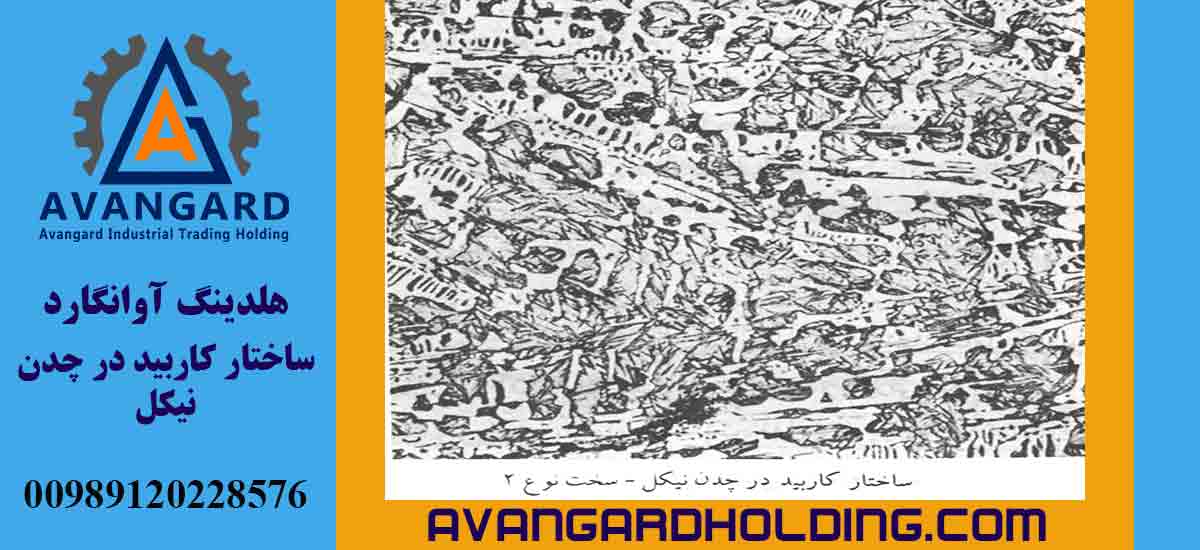
Ni-Hard Type 2 cast iron has a ledeburitic structure in which the M₃C carbide phase is continuously present throughout the microstructure. This continuous carbide network results in lower toughness, meaning that Type 2 cast iron may show reduced performance in applications subjected to heavy impact loads and severe abrasion.
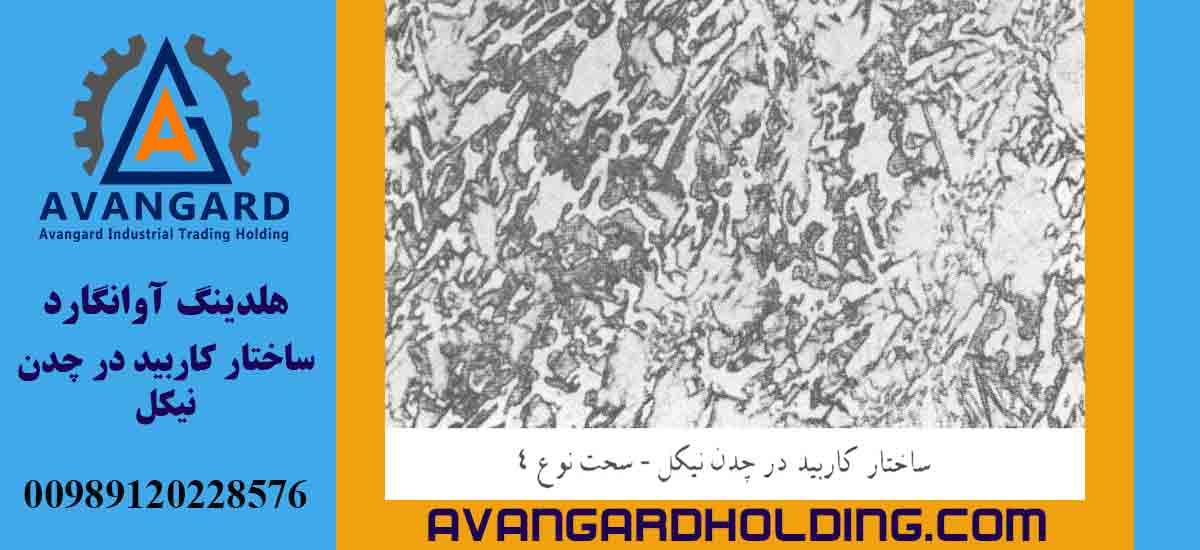
In contrast, Ni-Hard Type 4 cast iron has an eutectic structure in which M₇C₃ carbides appear discontinuously within the matrix. Due to this unique structure, including improved fracture resistance, Ni-Hard Type 4 is preferred for many industrial applications.
The main advantage of the discontinuous carbide structure in Ni-Hard Type 4 is that, despite the brittleness of the M₇C₃ carbide, cracks formed within it are effectively stopped before they can propagate into the softer matrix. This characteristic gives Ni-Hard Type 4 superior fracture resistance compared to Ni-Hard Type 2. Therefore, Ni-Hard Type 4 is considered a better choice in applications that require high resistance to wear and repeated impact loads.
Chemical Composition and Applications of Ni-Hard Cast Iron
The chemical composition of Ni-Hard cast irons plays a crucial role in the formation of specific types of carbides. For example, when the amount of Si plus 0.3% Cr exceeds 4.1%, discontinuous M₇C₃ carbides form instead of ledeburitic M₃C carbides. These changes in chemical composition improve the mechanical properties and wear resistance of Ni-Hard cast iron, allowing it to perform well under harsher conditions.
Ultimately, Ni-Hard cast irons, due to their unique carbide structure and high resistance to wear and impact, are widely used in various industries such as cement mills, crushers, and metalworking equipment. Choosing the appropriate type of Ni-Hard cast iron (Type 2 or 4) depends on specific application requirements and operating conditions.
Features and Properties of Ni-Hard Cast Iron
Wear and Impact Resistance:
Ni-Hard cast irons are highly resistant to wear and repeated impact due to the presence of hard carbides such as M₃C and M₇C₃ in their structure.
Main Types of Ni-Hard Cast Iron:
-
Ni-Hard I: Contains 4–5% nickel, suitable for applications requiring high hardness.
-
Ni-Hard II: Contains more than 5% nickel and higher chromium, offering greater toughness and suitable for harsher conditions.
Applications of Ni-Hard Cast Iron:
Due to their high wear resistance and ability to withstand tough working conditions, Ni-Hard cast irons are used in various industries:
-
Cement Industry:
-
Grinding Balls
-
Mill Liners
-
-
Mining and Metallurgical Industry:
-
Impact Crusher Parts
-
Metal Rolling Rolls
-
-
Material Handling:
-
Components used in rolling and conveying equipment.
-
Comparison of Ni-Hard Cast Iron and High-Chrome Cast Iron
Ni-Hard 4 (Ni-Hard 4) and high-chrome cast irons both perform well under harsh industrial conditions, but they differ in properties and applications:
Ni-Hard 4 Cast Iron:
-
Structure contains discontinuous M₇C₃ carbides, providing greater toughness compared to Ni-Hard 2.
-
Suitable for applications requiring high hardenability.
High-Chrome Cast Iron:
-
Higher fracture resistance, making it more suitable for conditions with heavier impacts.
Advantages of Ni-Hard Cast Iron:
-
High Hardenability: This allows these cast irons to be used in parts requiring high surface hardness and wear resistance.
-
Optimal Performance under Wear and Impact: Ideal for industries such as cement and mining, where components are subjected to repeated wear and impact.
Ni-Hard Cast Irons
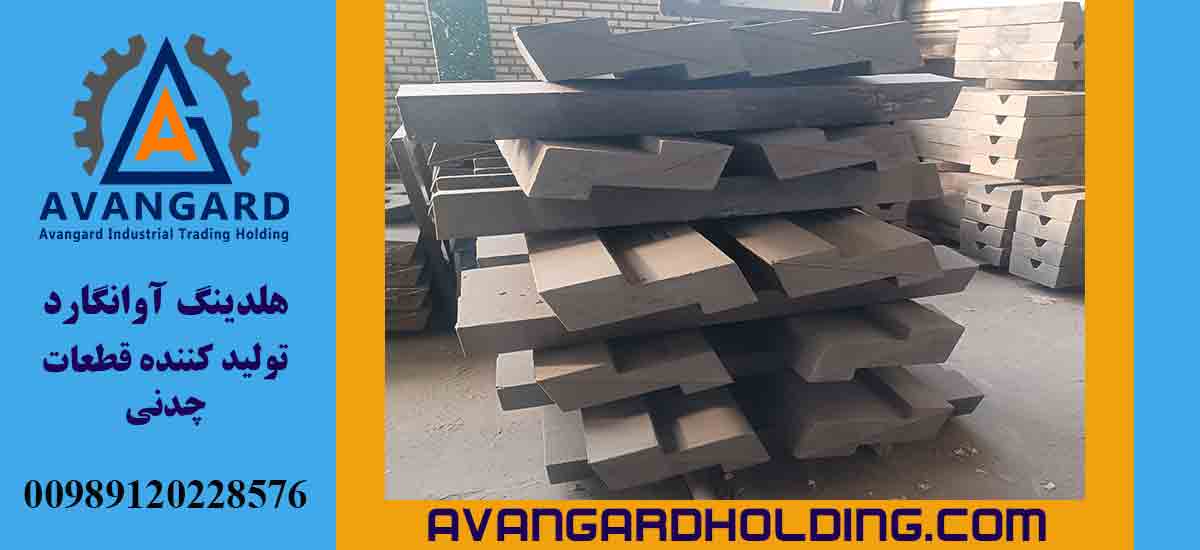
Due to their unique properties, Ni-Hard cast irons remain one of the most widely used materials in heavy industries and demanding working conditions. They play a significant role in improving performance and reducing maintenance costs of industrial equipment. The Ni-Hard alloy is discussed in detail in our article on Ni-Hard Cast Iron.
High Chromium Corrosion-Resistant Cast Irons
High-chrome cast irons, typically containing 20–35% chromium, are widely used in various industries due to their excellent corrosion and wear resistance. These cast irons are particularly employed in environments exposed to oxidizing acids, such as nitric acid, and other corrosive chemical conditions. A key feature of these cast irons is their strong performance against weak acids, salt solutions, organic acids, and general atmospheric conditions. In these alloys, chromium plays a major role in enhancing corrosion resistance and improving the durability of parts against corrosion and wear.
High-chrome cast irons are commonly used in industries requiring resistance to corrosion and high temperatures. For example, they are often used in annealing pots for lead, zinc, and aluminum, in conveyor chains, and in other parts exposed to corrosion and elevated temperatures. These cast irons exhibit excellent resistance to sulfuric and phosphoric acids, particularly at high concentrations and varying temperatures.
High-chrome cast irons containing 30–35% chromium are specifically designed for environments with severe corrosion. They effectively resist all concentrations of sulfuric acid, even at elevated temperatures. In particular, they show good resistance to sulfuric acid at temperatures up to 80°C, sulfite solutions in paper mills, bleaching solutions at ambient temperatures, and cold aluminum sulfate solutions up to 5% concentration. Additionally, they resist phosphoric acid at concentrations of 60% at high temperatures up to boiling, and 85% phosphoric acid at temperatures up to 80°C.
High-Chrome Cast Irons
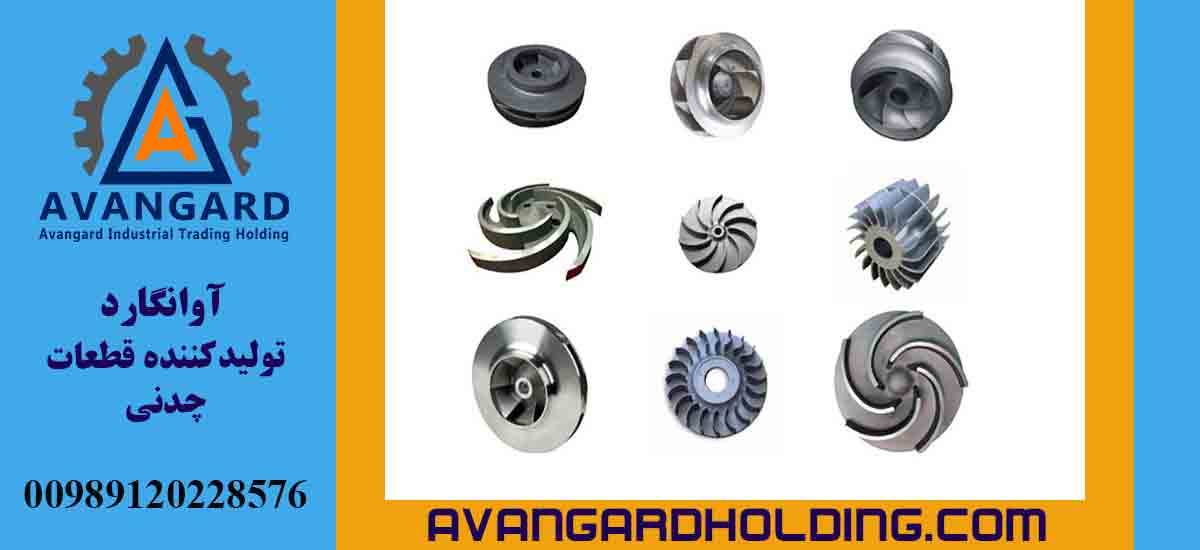
High-chrome cast irons also exhibit good resistance to seawater and mineral waters containing acidic solutions. Due to their optimal combination of chromium and carbon, they have better mechanical properties than high-silicon cast irons. When the chromium and carbon contents are properly balanced, these cast irons can be easily heat treated. High-chrome cast irons with elevated chromium content perform particularly well in highly corrosive environments. Due to their high resistance to corrosion and wear, they are widely used in industries such as chemical processing, manufacturing corrosion-resistant equipment, annealing pots, and components exposed to high temperatures and corrosive conditions.
High-Performance Cast Irons at Elevated Temperatures
These cast irons perform best at high temperatures and in conditions requiring resistance to corrosive acids and severe wear, which is why they are widely used in sensitive industries such as chemical and petrochemical sectors.
High Silicon Corrosion-Resistant Cast Irons
High-silicon cast irons, containing approximately 14–17% silicon, are especially known for the unique properties of silicon in enhancing corrosion resistance and withstanding high temperatures. Silicon in these irons not only prevents the formation of hard carbides but also improves their resistance to corrosive acids like nitric and sulfuric acids. Consequently, high-silicon cast irons are widely used in industries requiring high resistance to corrosive environments.
High-silicon and molybdenum-bearing cast irons, containing up to 3.5% molybdenum in the alloy, are commonly used for handling corrosive acids in industrial applications. Particularly with 14.5% or more silicon, these cast irons show high resistance to 30% sulfuric acid. Increasing silicon content to 16.5% in gray cast irons significantly improves resistance against sulfuric and nitric acids across all concentrations.
Gray cast irons with 14% silicon show lower resistance to hydrochloric acid, but adding 3.5% molybdenum improves this resistance. Increasing silicon up to 17% further enhances corrosion resistance. These cast irons perform well in solutions containing copper salts or moist chlorine gas and also resist organic acids at all concentrations and temperatures.
However, high-silicon cast irons have poor mechanical properties and low resistance to mechanical and thermal shocks. They are difficult to cast and have limited machinability. Despite these limitations, their outstanding acid resistance makes them widely used, particularly in chemical plant piping and laboratories for transporting corrosive materials.
Applications: Widely used in petrochemical industries, sulfuric and nitric acid production, and explosive materials industries.
Austenitic Cast Irons
Austenitic cast irons, as an alloyed cast iron type, have broad applications due to their unique corrosion resistance and mechanical properties. Their performance heavily depends on precise chemical composition, especially silicon, which prevents carbide formation and promotes graphite precipitation. Silicon levels should be maximized within standard limits to achieve the desired austenitic cast iron properties.
The type of carbide present significantly affects casting properties. Carbide formation reduces graphite precipitation during solidification, resulting in less expansion in the mold. Eutectic chromium carbides formed at the end of solidification cannot be properly fed, leading to porosity and inter-dendritic shrinkage. Therefore, minimal carbide content is preferred. In most austenitic cast irons, chromium is present to form chromium carbides, enhancing corrosion and oxidation resistance, and in some cases, its content is increased above 3% to improve wear resistance.
Factors Affecting the Casting of Austenitic Cast Iron Components
Defect-free casting of austenitic cast iron components depends not only on gating and feeding methods but also on several other factors, some of which are interrelated. These factors include casting size, mold strength, chemical composition, pouring temperature, and inoculation. It should be noted that austenitic cast irons with flake graphite differ significantly from gray cast irons in shrinkage characteristics and other casting properties. Due to their unique properties during solidification and graphite formation, precise control is required in the casting process to prevent defects such as abnormal shrinkage or surface imperfections.
Applications of Austenitic Cast Iron Components
Austenitic cast irons, due to their corrosion resistance and high-temperature performance, are used in various industries. These alloys are ideal for producing components that must withstand corrosion and scaling in different environments. Main applications include piston rings for diesel engines, pumps, and valves used in desalination, chemical, and petroleum industries. They are also used in agriculture, water treatment, and other sectors dealing with corrosive liquids.
Austenitic cast irons perform well at high temperatures up to 800°C and are used in applications requiring creep and high-temperature growth resistance. They are employed in turbochargers, exhaust pipes, high-temperature valves, compressors, electrical switches, and ship propellers. A key property is their resistance to seawater corrosion, which increases their use in marine industries, as well as oil, gas, and shipbuilding sectors.
Heat-Resistant Cast Irons
Heat-resistant cast irons are a group of cast irons capable of withstanding high temperatures and severe thermal conditions. Alloying elements such as chromium, silicon, and nickel provide these heat-resistant properties.
-
High-Chrome Heat-Resistant Cast Iron: Contains about 20% chromium, tolerates temperatures up to 1000°C.
-
High-Silicon Heat-Resistant Cast Iron: Contains 5.5–6% silicon, used typically above 900°C.
-
Ni-Si Heat-Resistant Cast Iron: High nickel and silicon, suitable for environments exposed to sulfur gases.
These cast irons are widely used in metallurgical and chemical industries requiring high-temperature resistance.
High Chromium White Cast Iron
High chromium white cast iron is one of the most widely used white cast irons, providing excellent wear and corrosion resistance. This makes it suitable for mining, sand, cement, and petrochemical industries. According to ASTM A532, these irons are divided into two main classes, II and III, each with specific properties and applications.
ASTM A532 Classification of High Chromium White Cast Iron
Class II – Includes five alloy types A, B, C, D, and E:
-
Type A: ~12% chromium, suitable for general applications with medium wear resistance.
-
Type B & C: Type B has 15% chromium with low carbon (impact resistance important); Type C has high carbon for higher wear resistance.
-
Type D & E: Both with 20% chromium, differing in carbon content; Type D has lower carbon for higher toughness, Type E has higher carbon for higher hardness.
Class III – Alloys with ~25% chromium, providing very high wear and corrosion resistance, used in highly corrosive environments such as chemical and mineral processing industries.
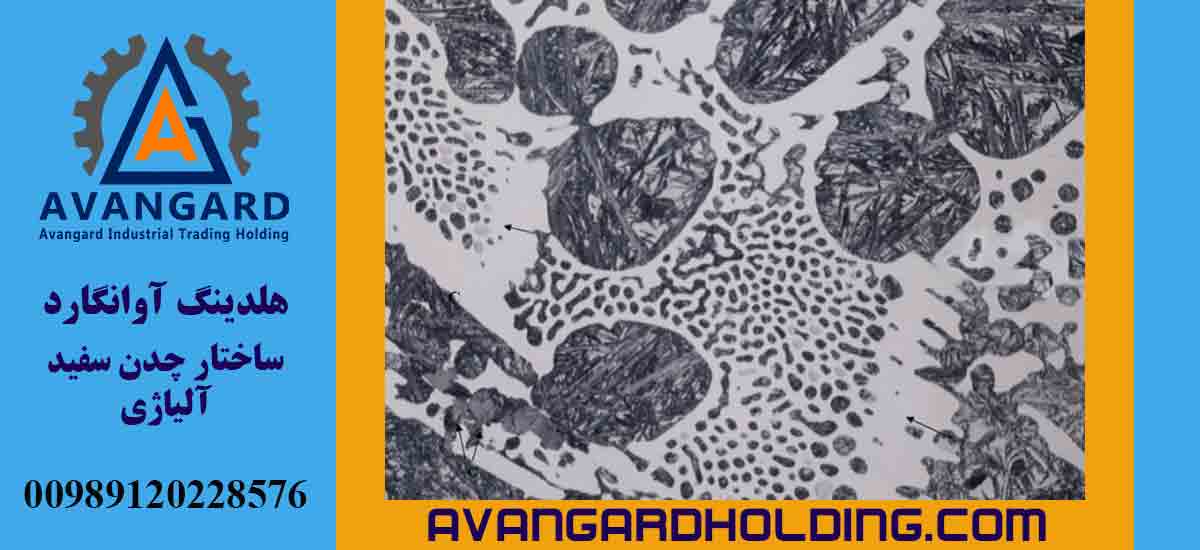
Metallurgical Structure of High Chromium White Cast Iron
High chromium white cast iron contains hard chromium carbides in a martensite or austenite matrix. This structure:
-
Increases wear resistance and component lifespan.
-
Ensures stable performance at high temperatures.
Applications of High Chromium White Cast Iron
Wear-resistant cast irons, due to their unique mechanical properties and high resistance to wear and corrosion, have extensive applications in various industries. These irons, containing elements such as chromium and molybdenum, possess a strong and durable structure, making them ideal for use under severe operational conditions.
Main Applications of Wear-Resistant Cast Irons
Automotive and Heavy Machinery Components:
-
Bushings
-
Cylinders
-
Cylinder liners
-
Brake drums
Machine and Mold Industries
Spare Parts and Industrial Crushing Equipment:
-
Hydrocone crusher parts
-
Jaw crusher parts
-
Spare parts for crushers and heavy industrial and mining equipment
Mining and Material Processing Industries:
-
Grinding media and mill liners
-
Wire drawing dies
-
Conveyor rollers
-
Abrasion-resistant pumps
Mining and Cement Industries:
-
Mill liners, anvils, sand-making parts, hammers—especially Behringer HS10, HS14, HS11, HS7 crusher hammers
Oil and Gas Industries:
-
Corrosion-resistant pumps and valves
Petrochemical Industry:
-
Heat- and corrosion-resistant components
Advantages of High Chromium White Cast Iron
-
Long service life: Their resistance to wear and corrosion reduces maintenance costs.
-
Optimal performance in harsh conditions: These materials perform excellently in high-stress environments such as mines and steel industries.
-
Heat resistance: The alloy composition makes them suitable for high-temperature applications.
-
Versatile applications: From mining equipment and undercarriage parts to chemical industry components.
These properties and applications make wear-resistant cast irons among the most widely used materials in heavy industry and industrial machinery.
High Chromium Wear-Resistant Cast Iron
High chromium white cast irons, due to their high resistance to wear and corrosion, have widespread industrial applications. These alloys typically contain 12–34% chromium and 1.5–3.5% carbon. The high chromium content results in the formation of chromium carbides (M₇C₃) in their microstructure.
Chromium carbides form continuous networks around austenite grains, which can lead to brittleness and cracking. However, by precisely adjusting the chemical composition and applying proper heat treatment, a balance between wear resistance and toughness can be achieved. For example, reducing the matrix carbon content and adding suitable alloying elements can simultaneously improve toughness and wear resistance in high chromium wear-resistant cast iron.
In applications such as crushers and mills, components must not only resist wear but also withstand dynamic stresses to prevent sudden failures. Choosing the appropriate chemical composition and optimizing heat treatment are crucial for achieving these properties. For instance, chromium not only increases wear resistance but also enhances corrosion resistance in high chromium white cast irons.
Microstructure of High Chromium White Cast Irons
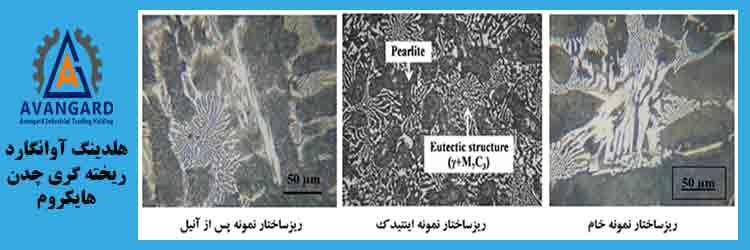
The microstructure of these cast irons consists of discontinuous eutectic iron-chromium carbides and secondary chromium-rich carbides embedded in a matrix of austenite or its transformation products. By applying heat treatment, various microstructures such as austenitic, martensitic, bainitic, or pearlitic can be achieved, each offering distinct mechanical and physical properties.
As a result, high chromium white cast irons with an appropriate chemical composition and optimized heat treatment are an ideal choice for applications requiring high wear and corrosion resistance along with adequate toughness.
Microstructure of High Chromium Wear-Resistant Cast Irons
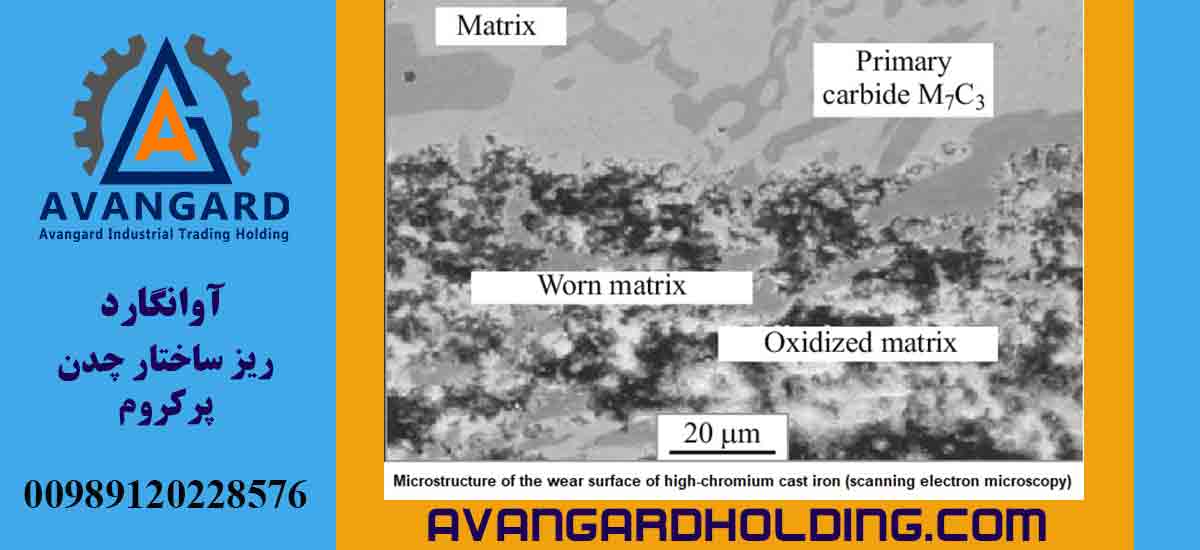
High chromium wear-resistant cast irons possess a unique microstructure that provides high wear resistance. This structure includes eutectic M₇C₃ (iron-chromium) carbides distributed in a matrix of austenite or its transformation products.
During abrasive processes, hard particles penetrate the metal surface and remove fragments through scratching and deformation. To counteract this wear, it is essential that the metal structure contains hard phases capable of resisting the penetration of abrasive particles. In high chromium cast irons, the presence of hard M₇C₃ carbides provides this resistance.
Selecting the appropriate matrix in these cast irons is critical. A high-carbon martensitic and hard matrix, due to the presence of dispersed secondary carbides, offers high wear resistance. Additionally, metastable austenite with work-hardening capability can be suitable. In high chromium white cast irons, carbides are distributed in the matrix, which contrasts with the ledeburitic structure of low-alloy white cast irons.
Carbon Content and Wear Resistance
The carbon content in the chemical composition of these cast irons plays a crucial role in determining the carbide volume and, consequently, the wear resistance. Increasing carbon up to the eutectic level increases the carbide volume and enhances wear resistance. However, excessive carbon (hypereutectic) can lead to the formation of brittle primary carbides, which may fracture under mechanical impacts, reducing wear resistance and toughness.
Softer matrices, such as pearlite, have lower wear resistance and increase the tendency of carbides to detach from the matrix. This can lead to reduced yield strength and insufficient support for carbides under mechanical stress. Therefore, controlling the chemical composition and applying proper heat treatment to achieve an optimal microstructure is essential for simultaneously improving wear resistance and toughness in high chromium wear-resistant cast irons.
Melting and Casting of High Chromium Cast Irons
High chromium cast irons, due to their outstanding mechanical properties, excellent wear and corrosion resistance, and wide applications in heavy industries, especially in crusher manufacturing, are highly valued. These cast irons contain a high percentage of chromium (over 12%), which forms chromium carbides in their microstructure, ensuring high wear resistance and long service life of the produced parts.
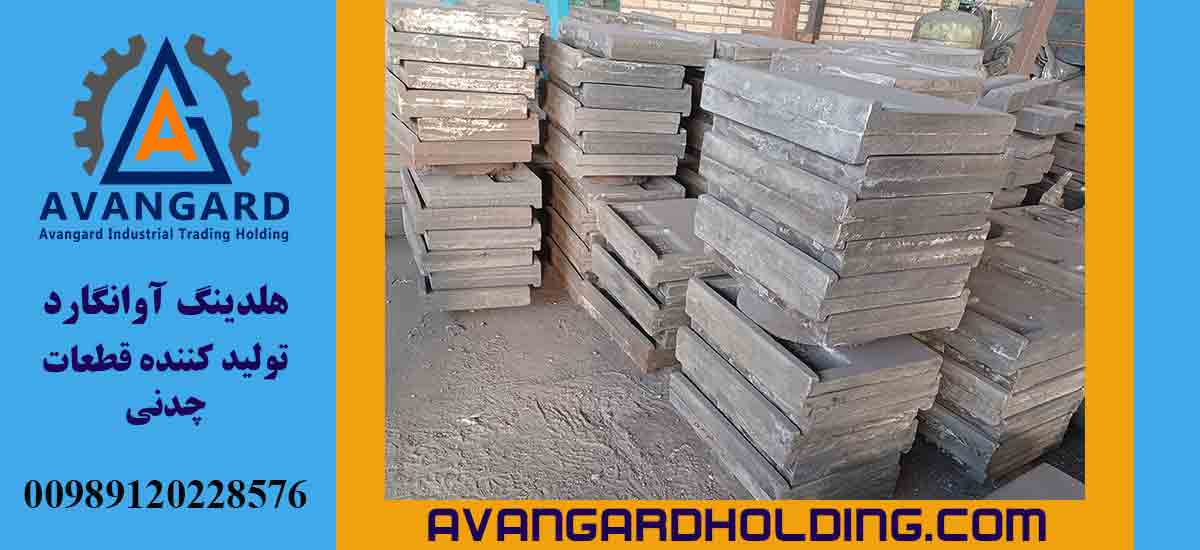
The production process of high chromium cast irons includes several main steps: molding, pouring, finishing or grinding, and finally heat treatment. These steps must be performed carefully according to established standards to prevent defects such as cracking, sand penetration, or distortion.
1. Molding of High Chromium Cast Irons
Proper and precise molding lays the foundation for the final quality of the cast parts. Key points include:
-
Selection of molding materials: Using sands with high strength and suitable thermal properties to prevent sand burning and molten metal penetration.
-
Design of gating and feeding systems: Proper gating reduces turbulence and prevents gas and shrinkage cavities.
-
Use of resistant coatings: Coating molds with heat-resistant materials reduces surface defects of castings.
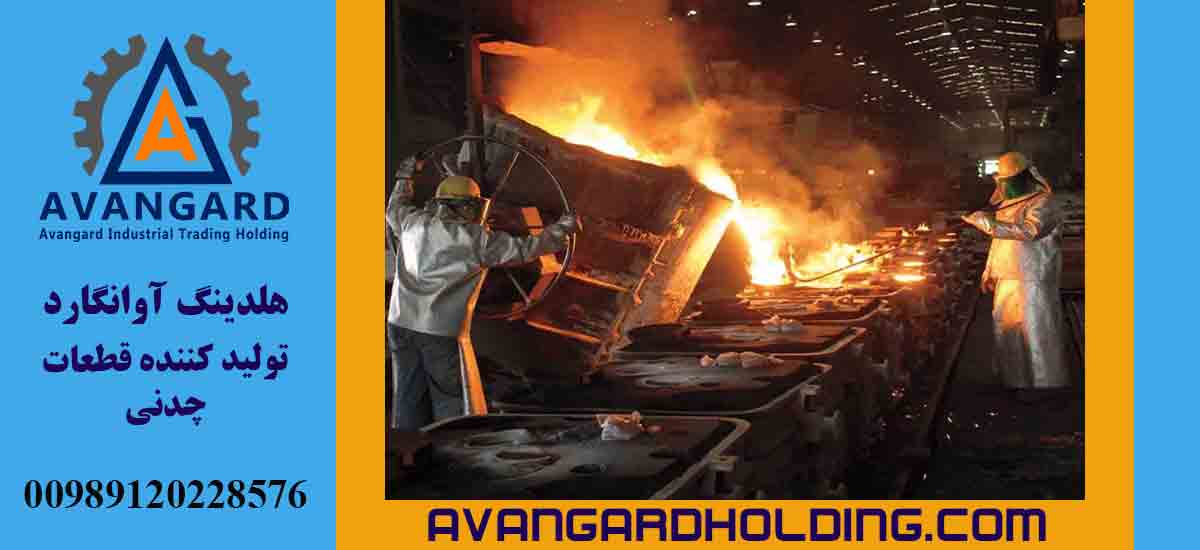
2. Pouring of High Chromium Cast Irons
Pouring is the step where molten metal is transferred into the mold. Important factors include:
-
Control of pouring temperature: Pouring temperatures for parts less than 10 mm thick are typically set between 1350–1400°C.
-
Preventing shrinkage and surface defects: Appropriate temperatures help avoid issues such as molten metal penetration or sand burning.
-
Control of pouring rate: Proper pouring speed prevents turbulence and formation of gas cavities.
Role of Elements in Cast Iron Properties and Casting
Aluminum (Al)
Aluminum typically acts as a ferrite-promoting element in cast irons. It also facilitates graphite formation in very small amounts (around 0.025%). Due to its properties, aluminum can positively influence the mechanical properties of cast irons, particularly by reducing grain size and improving machinability.
Antimony (Sb)
Antimony is known as a pearlite stabilizer. It is commonly used in gray cast irons to increase wear resistance and enhance mechanical properties at elevated temperatures. Antimony effectively promotes pearlite formation, improving tensile strength and hardness.
Bismuth (Bi)
Bismuth acts as a weak pearlite stabilizer. It is usually added in small amounts to improve the physical and mechanical properties of cast iron. Bismuth can also help reduce brittleness and positively affect the casting process.
Boron (B)
Boron, when used in amounts above 0.15%, acts as a strong pearlite stabilizer. It can form boron carbides, significantly increasing wear and corrosion resistance. Boron also helps reduce grain size and improves mechanical properties.
Chromium (Cr)
Chromium is one of the strongest carbide-forming elements, capable of forming complex carbides. It increases resistance to white casting, prevents graphite formation in thin sections during cooling, and promotes harder, layered pearlite. This structure enhances abrasion resistance, creep resistance, and high-temperature strength, while also improving hardness and oxidation resistance. Chromium is particularly beneficial in austenitic and heat-resistant cast irons subjected to cyclic temperature changes.
Copper (Cu)
Copper in small amounts can promote graphite formation and effectively facilitate it. After tin, copper is known as a good pearlite promoter. It is widely used in gray cast irons and alloys that require corrosion resistance.
Manganese (Mn)
Manganese is an important carbide-forming element that also promotes pearlite formation. It improves wear resistance and tensile strength in cast irons. Manganese can also act as an effective deoxidizer during casting.
Tellurium (Te)
Tellurium is a strong pearlite stabilizer, particularly used in flake graphite cast irons. It can improve mechanical properties, reduce grain size, and enhance machinability.
Titanium (Ti)
Titanium, in amounts below 0.25%, facilitates graphite nucleation. It is especially used in alloyed cast irons to improve mechanical properties and reduce brittleness, acting as a helper in graphite formation.
Nickel (Ni)
Nickel is a weak pearlite-forming element and also facilitates graphite and ferrite formation. It is particularly used in alloyed cast irons that require corrosion resistance, especially in austenitic and heat-resistant cast irons, to improve mechanical properties and corrosion resistance. Nickel promotes graphite formation, though its effect is roughly half that of silicon, and it disperses graphite into very fine structures. It also reduces the stability of primary carbides and refines pearlite, potentially forming martensitic structures. Nickel improves grain refinement, increases specific gravity, reduces porosity, and, in combination with chromium, helps achieve uniform casting for parts with variable thicknesses.
Vanadium (V)
Vanadium is a strong carbide-forming element and promotes hard pearlite. It is commonly added to alloyed cast irons to enhance strength and wear resistance and acts as a reinforcement element in the microstructure, improving mechanical properties.
Magnesium (Mg)
Magnesium plays a key role in ductile (nodular) cast irons. Adding a controlled amount of magnesium to molten iron produces spherical graphite, improving mechanical properties. It reduces sulfur and oxygen in the melt, preventing flake graphite formation and enhancing casting quality.
Graphite (C)
Graphite, sold as a ferroalloy at Avangard, is used as an additive to control the shape and size of graphite in cast iron. Sulfur-free graphite is used in nodular or compacted graphite irons, improving mechanical properties, while sulfur-containing graphite is used in gray cast irons with flake graphite. Graphite acts as a reinforcement, improving casting properties, reducing shrinkage, and increasing toughness.
Niobium (Nb)
Adding niobium (0.1–1%) to high-chromium cast irons forms dispersed niobium carbides (NbC) with very high hardness. These hard phases improve wear resistance and serve as nucleation sites for chromium carbides (M7C3), optimizing carbide distribution, size, and mechanical/wear properties. Niobium also enhances impact resistance and abrasion resistance in high-chromium cast irons when properly controlled.
Tungsten (W)
Effect in Ni-hard cast irons: Tungsten is a key alloying element, particularly in Ni-hard grades (e.g., Ni-hard 4), forming tungsten carbides that strengthen the microstructure, increase hardness, improve impact resistance, and enhance operational durability.
Effect in high-chromium cast irons: In high-chromium cast irons (12–28% Cr, 1.5–3.5% C), tungsten forms stable carbides (Fe3W3C, Fe4W2C) with chromium and iron, improving wear resistance and hardness. With higher chromium content, M3C carbides transform to M7C3, enhancing mechanical and structural properties. Tungsten is crucial for microstructure control and overall performance.
Effect of Heat Treatment on Hardness and Microstructure of High-Chromium White Cast Irons
High-chromium white cast irons (HCWCI) are widely used in industrial applications due to their high wear resistance and unique mechanical properties. These cast irons play a crucial role in mining, cement production, brick mold manufacturing, turbine blades for shot peening machines, and especially in the production of mill balls, crusher hammers, and sand-making machines. Economically, these materials are highly valued for their durability and efficiency across various industries.
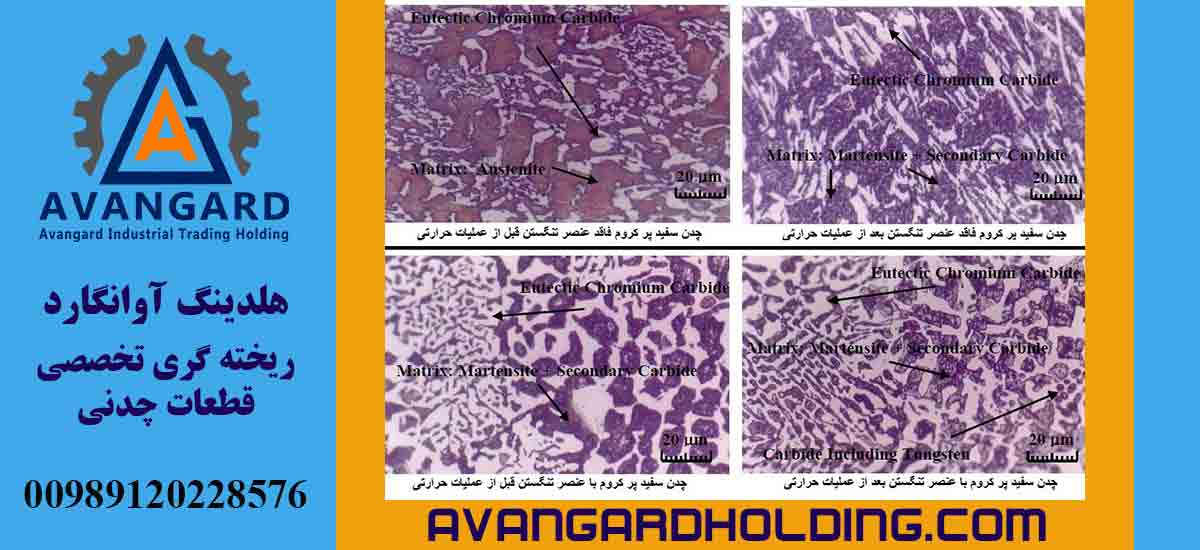
The microstructure of HCWCI primarily consists of a martensitic matrix distributed with a network of complex iron-chromium carbides. This structure provides high wear resistance and the ability to withstand mechanical shocks caused by impacts of materials on anvils and hammers in crushers, as well as collisions between grinding balls and the mill body. For instance, grinding balls used in different sizes in white or gray cement mills are particularly illustrative: their low wear rate minimizes the contamination of the final product with metal particles.
The bulk hardness of high-chromium parts is critical for two reasons: first, a large hardness gradient between the surface and the core can lead to deformation, typically caused by heterogeneous microstructure or improper heat treatment. Second, a decrease in hardness from surface to core reduces the efficiency of smaller balls and limits the reuse of larger worn parts.
The microstructure of HCWCI comprises primary dendrites and a eutectic structure. The eutectic carbides formed depend on chemical composition and cooling rate during solidification and may be of one of the stoichiometric types: (FeCr)23C6, (FeCr)7C3, or (FeCr)3C. In most cases, the eutectic carbides are (FeCr)7C3. Cooling rate not only determines the matrix phase— which can be austenite, martensite, or pearlite— but also influences the type and distribution of carbides. At low cooling rates, secondary carbides form around austenitic dendrites, enhancing wear resistance.
Heat Treatment of High-Chromium White Cast Irons (Hypoeutectic Alloys)
High-chromium white cast irons (HCWCI) with hypoeutectic compositions exhibit higher toughness compared to hyper-eutectic alloys due to the absence of primary carbide precipitation. The as-cast microstructure of these alloys consists of primary dendrites and a eutectic structure, with colony size dependent on the solidification range and cooling rate. The morphology of the eutectic carbides is determined by the type and amount of carbide-forming elements and the equivalent carbon content.
During equilibrium cooling, from the eutectic temperature down to the critical temperature (~720°C), chromium carbides begin to precipitate from the austenitic matrix, followed by proeutectic transformation as cooling continues. In non-equilibrium cooling, supersaturated austenite may transform into bainite or pearlite. Alloying elements can suppress this transformation. Increasing the carbon content enhances the hardness of the eutectic carbides. Notably, the structure of (FeCr)7C3 eutectic carbides in alloys containing 10–26% chromium remains stable during austenitizing.
Heat Treatment Process of HCWCI
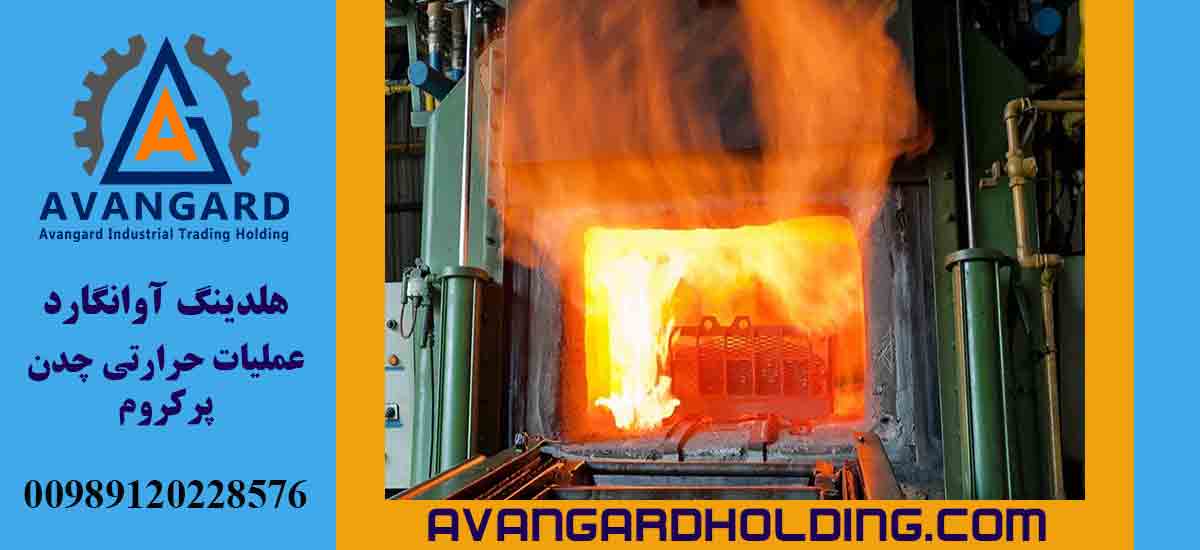
Heat treatment of high-chromium white cast irons involves annealing, hardening, and tempering to achieve an optimized microstructure with a balanced distribution of carbides and matrix, enhancing wear resistance and toughness. To achieve maximum hardness and wear resistance, forming a martensitic matrix is essential. Proper alloying prevents pearlite formation and improves hardenability. Increasing carbon and chromium content ensures a more uniform carbide distribution, allowing martensite and higher carbide volume formation even at lower cooling rates.
Effect of Air Quenching and Alloying Elements
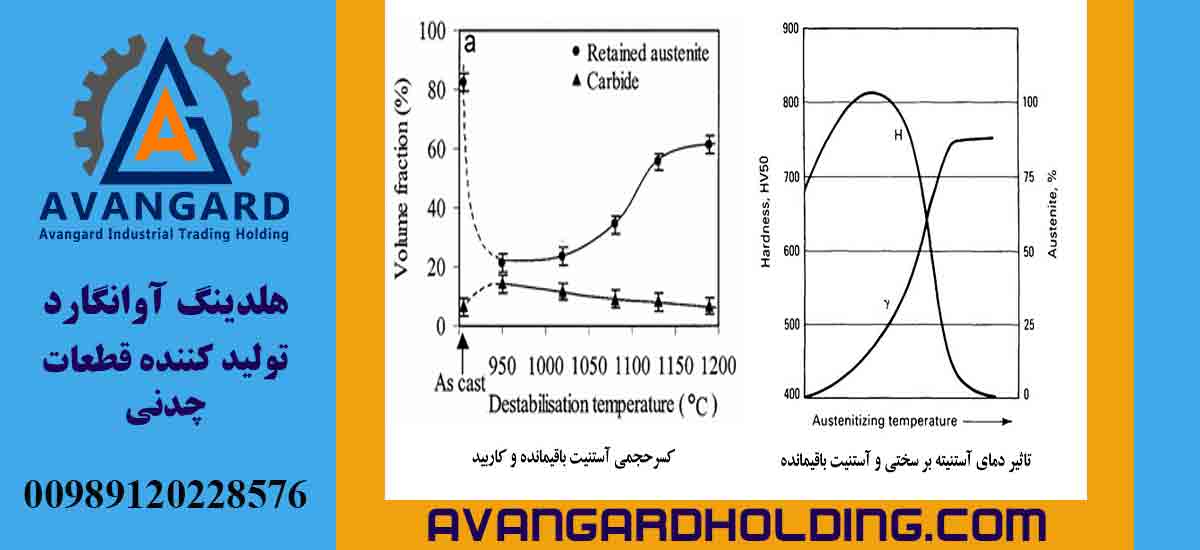
Air quenching can lead to the formation of a martensitic matrix with reduced internal stresses. The use of alloying elements such as nickel (Ni), manganese (Mn), and copper (Cu) can increase the amount of retained austenite, which may reduce wear resistance.
While air quenching is gentler than water or oil quenching, the presence of retained austenite can soften the surface slightly, decreasing hardness. Therefore, controlling the alloy composition and quenching parameters is essential to achieve a balanced combination of toughness, hardness, and wear resistance in high-chromium white cast irons.
|
|
||||||||
| Cu | Ni | Mo | Cr | S | P | Mn | Si | C |
| 0.07 | 0.2 | 0.5 | 15 | 0.007 | 0.03 | 0.6 | 0.8 | 2.6 |
The austenitizing temperature affects the final structure and properties and determines the percentage of carbon dissolved in the austenite matrix. The austenitizing temperature range for high-chromium white cast irons containing 12 to 20% chromium is between 950 and 1100 °C. Increasing the austenitizing temperature enhances austenite stability, resulting in a higher amount of retained austenite and lower hardness. A lower austenitizing temperature leads to the formation of low-carbon martensite, thereby reducing hardness and wear resistance.
With an increased cooling rate, diffusion transformations are delayed, and the matrix microstructure tends toward non-equilibrium phases such as upper bainite, lower bainite, and martensite. Studies have shown that for sections up to 120 mm thick, the hardness difference between compressed air quenching and oil quenching is negligible. Compressed air quenching is recommended from the austenitizing temperature down to below the pearlite formation temperature (around 550 °C).
Two types of tempering are suggested for high-chromium white cast irons: one is tempering at 205–230 °C for 2–4 hours to increase toughness and relieve internal stresses; the other is high-temperature tempering, especially for large castings, to reduce retained austenite and improve lamellar resistance in the range of 480–550 °C. The structure after quenching contains a volume fraction of retained austenite, and excessive tempering time or temperature causes hardness reduction and decreased wear resistance.
| Proposed Heat Treatment Cycles for a Type of High-Chromium Cast Iron | ||
| Heat Treatment Cycle Description | Cycle Name | Cycle Number |
| Austenitizing at 970 °C, then quenching with compressed air down to 500 °C, cooling in air to 50 °C, and finally tempering at 550 °C for 2 hours followed by air cooling. | Compressed Air Quench | 1 |
| Austenitizing at 970 °C, then quenching the part in oil down to 500 °C. After that, the part is cooled in air to 50 °C. Finally, tempering at 550 °C for 2 hours is performed, followed by air cooling. | Oil Quench | 2 |
| Austenitizing at 970 °C, then holding the part for 90 seconds in a salt bath at 500 °C. Afterward, the part is cooled in compressed air to 50 °C. Next, tempering at 520 °C for 2 hours is carried out, followed by another compressed air cooling. | Martempering | 3 |
The effect of heat treatment on the hardness and microstructure of high-chromium white cast iron is a key topic in materials engineering and the production of wear-resistant components. High-chromium white cast irons are highly resistant to wear due to their special properties and are used in various industries, including mining, steelmaking, and heavy machinery manufacturing. One of the main factors affecting the mechanical properties of these alloys is heat treatment, which is carried out to improve their hardness and microstructure.
Hardness of High-Chromium White Cast Iron (Chromium Cast Irons)
The hardness of chromium cast irons after initial casting can be around HRC 47 (Hardened Rockwell C). However, with proper heat treatment, this value can exceed HRC 60. This increase in hardness is due to the formation of a martensitic structure achieved through austenitizing at high temperatures and quenching. Heat treatment also improves the distribution of carbides in the matrix, resulting in higher wear resistance and longer component life.
One interesting aspect of heat treatment in high-chromium white cast iron is that during tempering, hardness is generally expected to decrease because tempering causes some martensitic phases to revert. However, in high-chromium white cast irons, the decrease in hardness after tempering is very limited. This is due to the decomposition of retained austenite and the formation of secondary carbides, which not only do not reduce hardness but can also increase it. In other words, after tempering, the final hardness of the cast iron depends on two combined effects: the reduction of hardness due to martensite tempering and the increase in hardness due to secondary carbide formation and transformation of retained austenite to martensite. This process ensures that high-chromium white cast irons maintain high strength and excellent wear resistance.
These points highlight the importance of heat treatment in enhancing the mechanical properties of chromium cast irons. Proper methods, such as high-temperature austenitizing, quenching in specific media like air or oil, followed by tempering at controlled temperatures, can significantly improve the wear performance of these components. For maximum effectiveness, precise alloying element combinations such as chromium, carbon, and other elements like molybdenum and vanadium are essential.
With the application of all three heat treatment cycles mentioned earlier, the hardness of all parts increases. This increase is due to the formation of martensite and the precipitation of secondary carbides in the matrix. The results obtained from each cycle are as follows:
Cycle 1, which includes compressed air quenching and tempering, exhibits the lowest surface hardness. The appearance of cracks on the surface of sample 2 after heat treatment indicates that the cycle was not suitable. Choosing oil as the quenching medium, which produces a hard martensitic matrix, combined with contraction stresses from cooling and expansion from martensitic transformation, leads to stress concentration and the formation of fine cracks in the part.
It is predicted that holding the sample at a temperature above the start of martensite formation in a molten salt bath allows the surface and core to reach thermal equilibrium, resulting in minimal surface variation after quenching. Therefore, cycle 3 is accepted as the final cycle.
The lowest hardness corresponds to the as-cast condition at approximately 47 HRC. Applying the above heat treatment cycle increases the hardness of all parts due to martensite formation and secondary carbide precipitation. According to volumetric hardness measurements, the smallest hardness variation between surface and core is achieved using martempering. The best matrix structure is martensitic, reinforced by carbides. Eutectic 3M7C carbides with rod-like and sometimes blade-like morphology are observed in these samples. It should be noted that the growth of 3M7C carbides occurs in rod and blade shapes, with their longitudinal axis parallel to the heat flow direction in the mold.
Application of Alloyed White Cast Irons in Mining
Alloyed white cast irons, especially high-chromium types, are widely used in the mining industry due to their high wear and corrosion resistance. With 12–35% chromium content, these alloys form a martensitic structure, providing high hardness and durability.
In mining equipment such as crushers, hammers made from high-chromium cast irons serve as key components in material comminution. These hammers are produced according to the ASTM A532 international standard and show high resistance under severe operating conditions.
Additionally, high-chromium cast iron grinding balls are used in industrial mills for mineral grinding. These balls, containing primary and secondary chromium carbides, offer high hardness and wear resistance, and are applied in industries such as cement and steel production.
Using alloyed white cast irons in mining equipment not only improves process efficiency but also reduces maintenance costs and extends component life, making them an ideal choice for mining applications.
High-Chromium Crusher Hammers
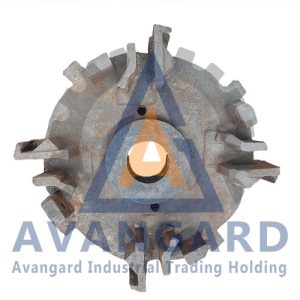
In crushers, hammers play a key role in material comminution. High-chromium cast iron hammers, due to their unique properties such as high wear and corrosion resistance, are among the most important cast components in mining and construction industries. For example, in jaw crushers, hammers for parts such as Jaw Crusher 120 and Jaw Crusher 180, as well as other parts, are made from wear-resistant high-chromium cast irons alongside manganese steel and Ni-hard cast iron. These components are manufactured according to the ASTM A532 international standard, ensuring high quality and optimal performance under harsh working conditions.
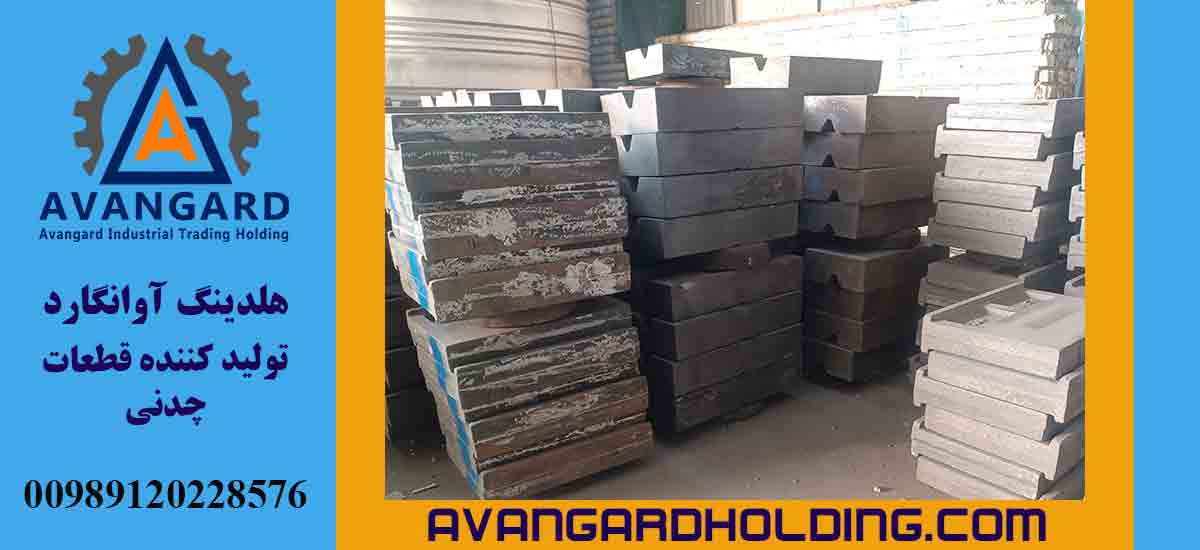
High-chromium wear-resistant cast irons, with a specific chemical composition containing 12–35% chromium, form a martensitic structure that provides high hardness and excellent wear resistance. Due to their mechanical and chemical properties, these alloys perform well even in corrosive environments and at elevated temperatures. Using chromium cast iron in jaw crusher hammers and other mining equipment, including screens and other comminution and grading devices, not only improves the crushing process but also reduces maintenance costs and extends the service life of components.
These cast components, with precise design and advanced heat treatment, provide martensitic hardness and exceptional wear resistance, improving machine efficiency and minimizing downtime due to part replacement. Therefore, the casting of chromium hammers plays a crucial role in the comminution industry.
Grinding Cast Balls
Grinding cast balls, especially alloyed types, are used in various industries such as mining, cement, and steel for crushing materials into suitable particle sizes. This process occurs through the rotation of the mill and the impact of the balls on the materials inside. Therefore, the balls must have proper mechanical properties and high impact resistance.
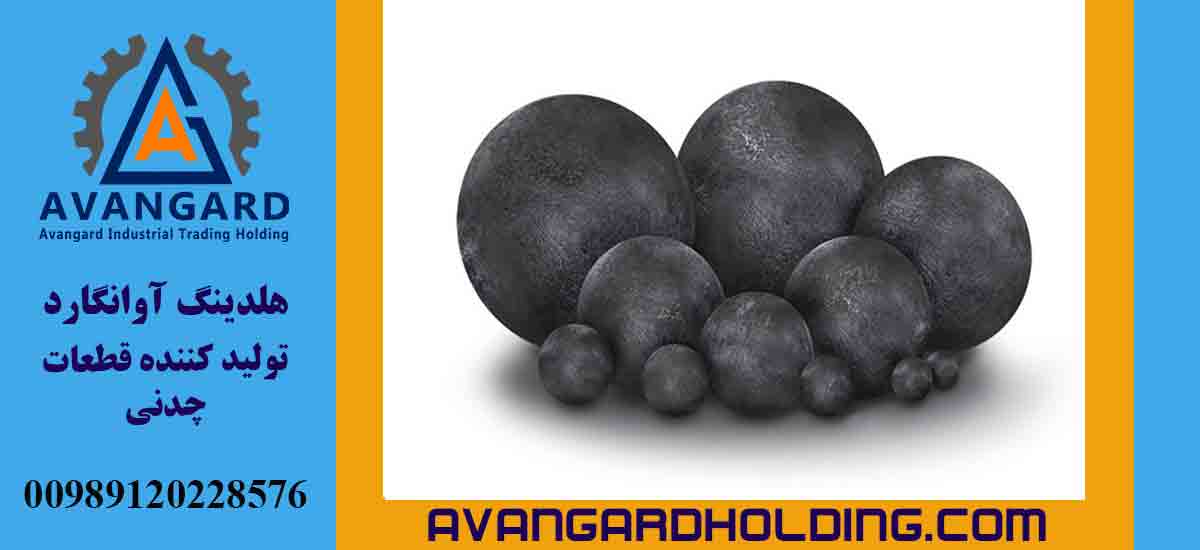
Low-Alloy White Cast Iron Grinding Balls
These grinding balls are made from low-alloy white cast iron with a chromium content of 0.5–1.5%. After heat treatment, their microstructure consists of iron carbide (cementite) and martensite, with a hardness of 58–62 HRC. These balls are primarily used in mining industries such as copper and iron ore mines.
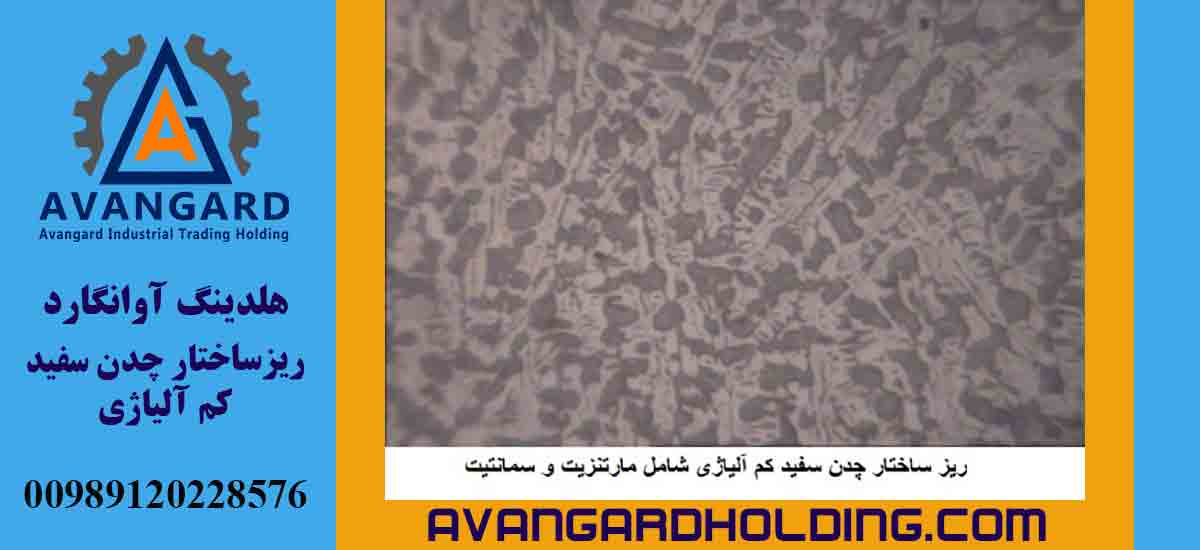
High-Chromium White Cast Iron Grinding Balls
These grinding balls, with a high chromium content, have a different structure compared to low-alloy balls. Primary and secondary chromium carbides formed after heat treatment in a martensitic matrix exhibit higher hardness than iron carbides and provide excellent wear resistance, impact toughness, and overall toughness.
The main application of these balls is in the cement industry. In two- or three-chamber mills, the first chamber uses balls sized 60–90 mm with a hardness of 58–62 HRC, while the subsequent chambers use balls sized 15–60 mm with a hardness of 58–64 HRC. The wear rate of these balls in cement plants is very low. In addition to gray cement, they are also used in the production of white cement.
Another type of these balls, containing 28–30% chromium, is used in pelletizing mills at large integrated steelmaking complexes.
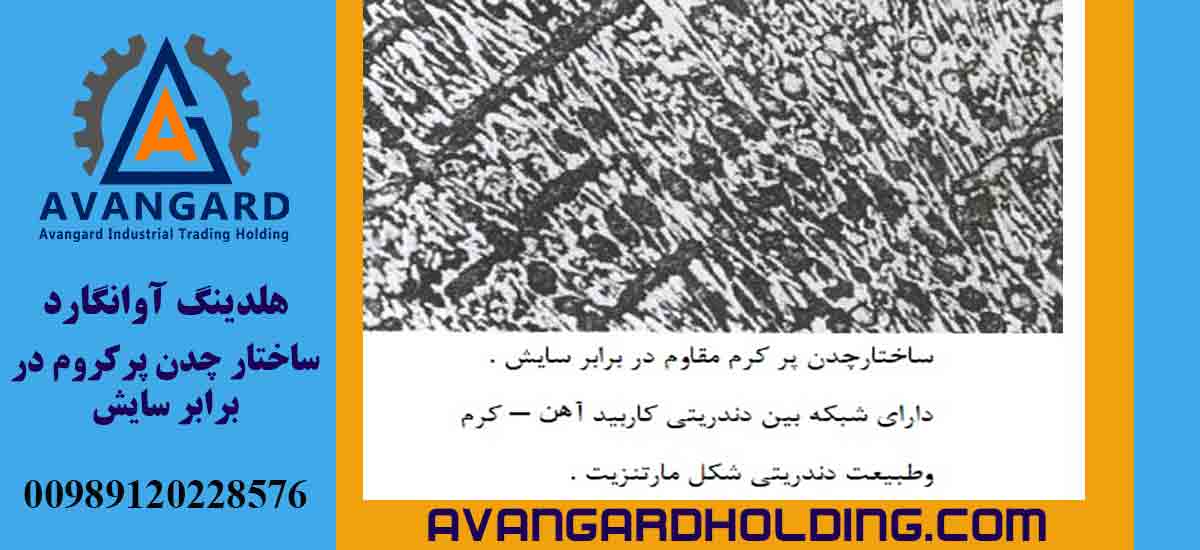
High-Chromium White Wear-Resistant Cast Iron: Superior Quality with Specialized Services by Avangard
High-chromium white wear-resistant cast iron casting is one of the most advanced processes in the foundry industry. Due to its exceptional resistance to wear and corrosion, it is widely used in the mining, steel, and cement industries. Avangard, leveraging engineers with two decades of experience and graduates from top universities in Iran and Canada, specializes in casting high-chromium white wear-resistant cast irons.
The company uses modern equipment in its factory and advanced workshops to produce components such as hammers and wear-resistant parts for crushing, comminution, and screening equipment in mines, pump casings and impellers, and other industrial parts. Casting high-chromium cast iron at Avangard is carried out according to international standards and strict quality control to deliver high-quality products at competitive prices.
High-Chromium White Cast Irons: Martensitic Structure, High Hardness, and Wear Resistance
High-chromium white cast irons, produced using chromium cast iron casting methods, contain 12–35% chromium and have a martensitic structure that provides high hardness and wear resistance. These features make this alloy ideal for use in heavy equipment and harsh working environments.
Avangard Services in Chromium Cast Iron Casting:
-
Production of durable and custom components with advanced technology.
-
Ensuring the durability and performance of parts through advanced heat treatment after casting high-chromium cast iron.
-
Providing high-quality wear-resistant alloy castings.
Why Avangard?
Avangard leverages an engineering team, graduates from top universities in Iran and Canada, and over two decades of experience in producing and casting high-chromium white cast irons. By manufacturing specialized components and offering services at competitive prices, Avangard is one of the best choices for buying and selling these products in Tehran and across Iran.
You can also listen to the podcast (audio article) of this article, and the PowerPoint file of the article is available for download.
For orders and more information on casting various high-chromium wear-resistant white cast irons and other Avangard services, contact the professional team at Avangard.
Avangard Industrial Trading Holding Company
Phone: +98 912 022 8576
Website: EN.Avangardholding.com